Protein is a building block for muscles, enzymes, and hormones. Knowing how much you need helps you meet goals without excess. The amount varies by age, activity level, and health status. Below we break down the main factors and give practical numbers you can use.
Basic Recommendations for the General Population
The Dietary Reference Intake (DRI) suggests 0.8 grams of protein per kilogram of body weight for most adults. This translates to about 56 grams per day for a 70‑kg (154‑lb) man and 46 grams for a 57‑kg (125‑lb) woman. These values cover basic maintenance needs.
For people who are sedentary, staying near the DRI is usually sufficient. Eating a balanced diet with lean meats, dairy, beans, and nuts can easily meet this target.
Adjusting for Activity and Fitness Goals
Exercise increases protein demand. Strength training, high‑intensity interval training, and endurance sports all cause muscle breakdown that needs repair.
Most experts recommend 1.2–2.0 grams per kilogram for active individuals. A 70‑kg person who lifts weights three times a week might aim for 84–140 grams daily. Endurance athletes often stay at the lower end of this range, while bodybuilders may target the higher end.
Spread protein intake throughout the day. Consuming 20–30 grams every 3–4 hours maximizes muscle protein synthesis.
Special Considerations: Age, Health, and Diet Type
Older adults lose muscle mass faster. Research suggests 1.0–1.2 grams per kilogram can help preserve strength and function. A 68‑kg senior might need 68–82 grams each day.
People with kidney disease or certain metabolic conditions should follow medical advice, as high protein can strain the kidneys.
Vegetarians and vegans can meet needs with plant proteins. Combine legumes, grains, nuts, and soy to get all essential amino acids. Aim for the same gram range as omnivores, but consider slightly higher amounts because plant proteins are less bioavailable.
Practical Tips to Reach Your Target
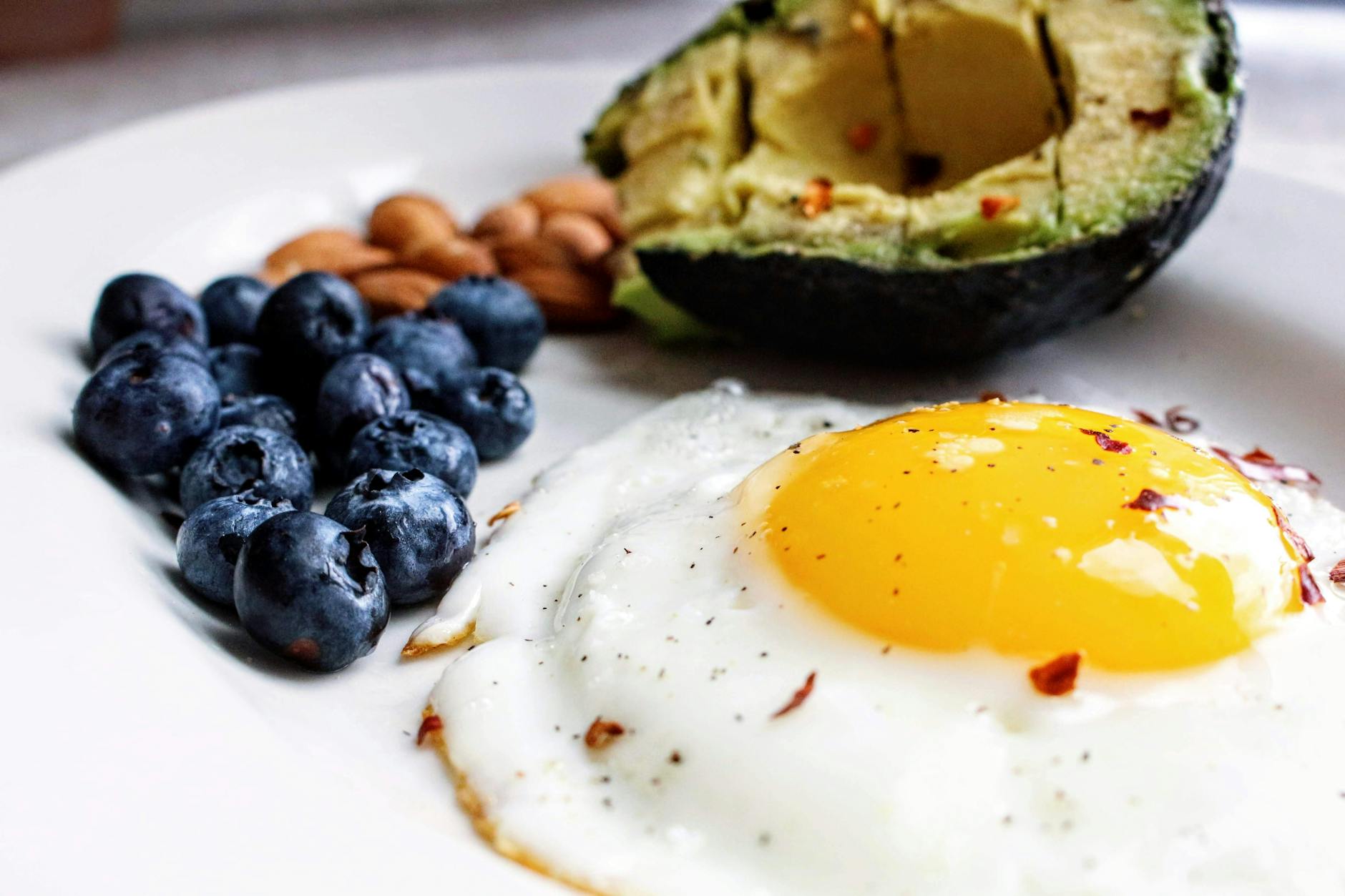
Plan meals around protein sources. A typical breakfast could include Greek yogurt (15 g) and a boiled egg (6 g). Lunch might feature grilled chicken breast (30 g) with quinoa (8 g). Dinner could be salmon (25 g) with roasted vegetables.
Snacks are useful for hitting daily goals. A handful of almonds (6 g) or a protein shake (20 g) can fill gaps.
Read nutrition labels. Look for the “protein per serving” line and calculate how many servings you need.
Track intake with a simple app or spreadsheet. Seeing numbers helps you adjust portions quickly.
When More Isn’t Better
Excess protein does not automatically build more muscle. The body converts surplus protein to energy or stores it as fat. Very high intakes (above 2.5 g/kg) offer no extra benefit for most people and may stress kidneys over time.
Balance protein with carbohydrates and fats. Carbs fuel workouts, while fats support hormone production. A well‑rounded diet promotes overall health.
In summary, calculate your baseline using 0.8 g/kg, then adjust for activity, age, and dietary preferences. Aim for consistent, evenly spaced protein throughout the day, and monitor your intake with simple tools. This approach ensures you get enough protein to support your body without overdoing it.
Related reading
 Simple Daily Habits to Keep Your Heart Strong and Healthy
 Quick 15‑Minute Healthy Lunch Ideas for Busy Days
AI disclosure: this article was automatically drafted with AI assistance and reviewed before publishing. Written with AI assistance: openai/gpt-oss-120b. It is general information, not professional medical, financial or legal advice.


