Friday, October 9, 2026

Practical Ways to Sit Less While Working at a Desk

Group of colleagues working together in a bright, modern office space with laptops.

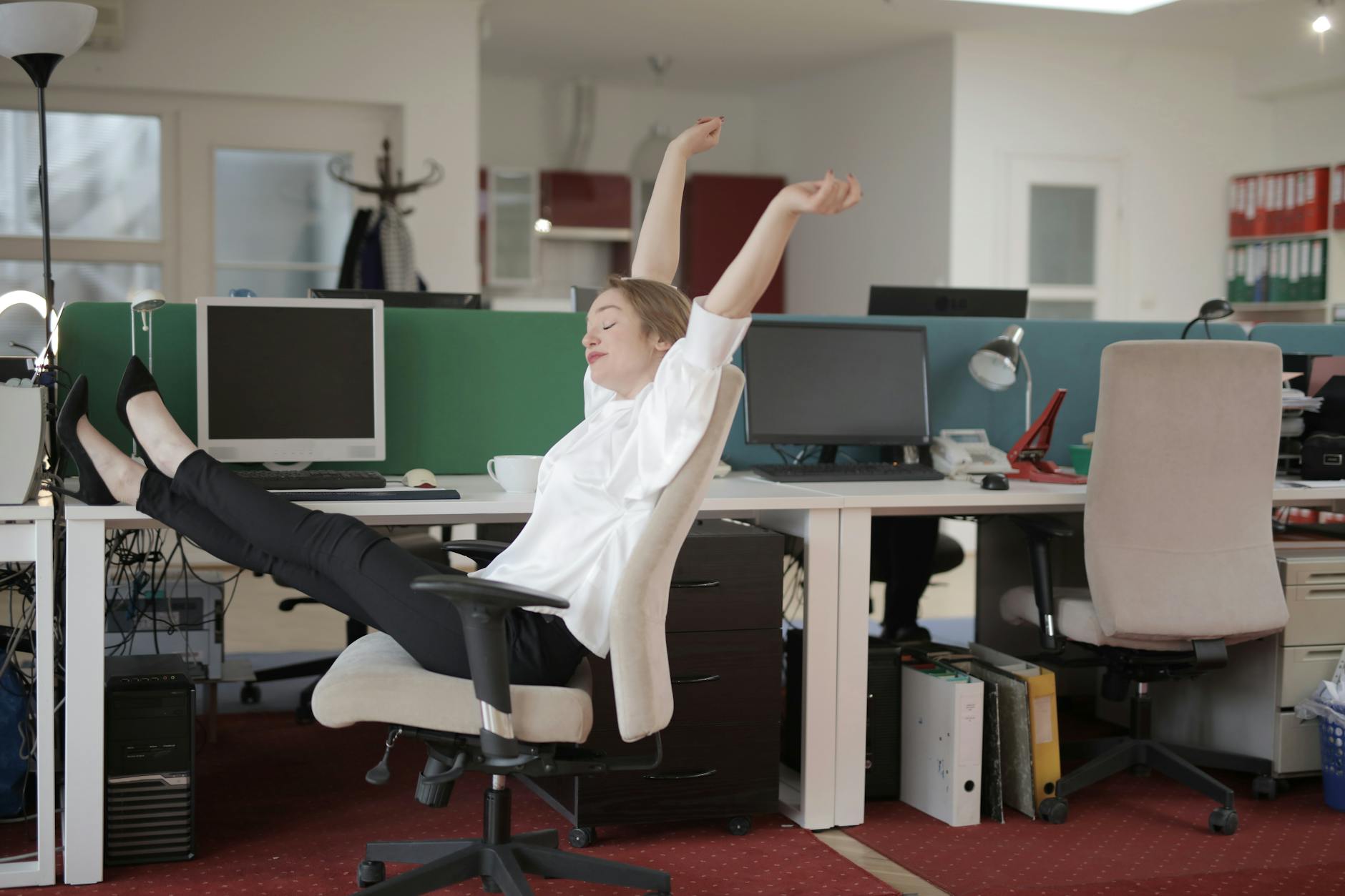
Most office workers spend eight or more hours each day sitting at a desk. Research shows that prolonged sitting can affect energy, focus, and long‑term health. The good news is that small changes can break up sitting time without sacrificing work output. Below are practical strategies you can start using today.

Set Up a Flexible Workspace

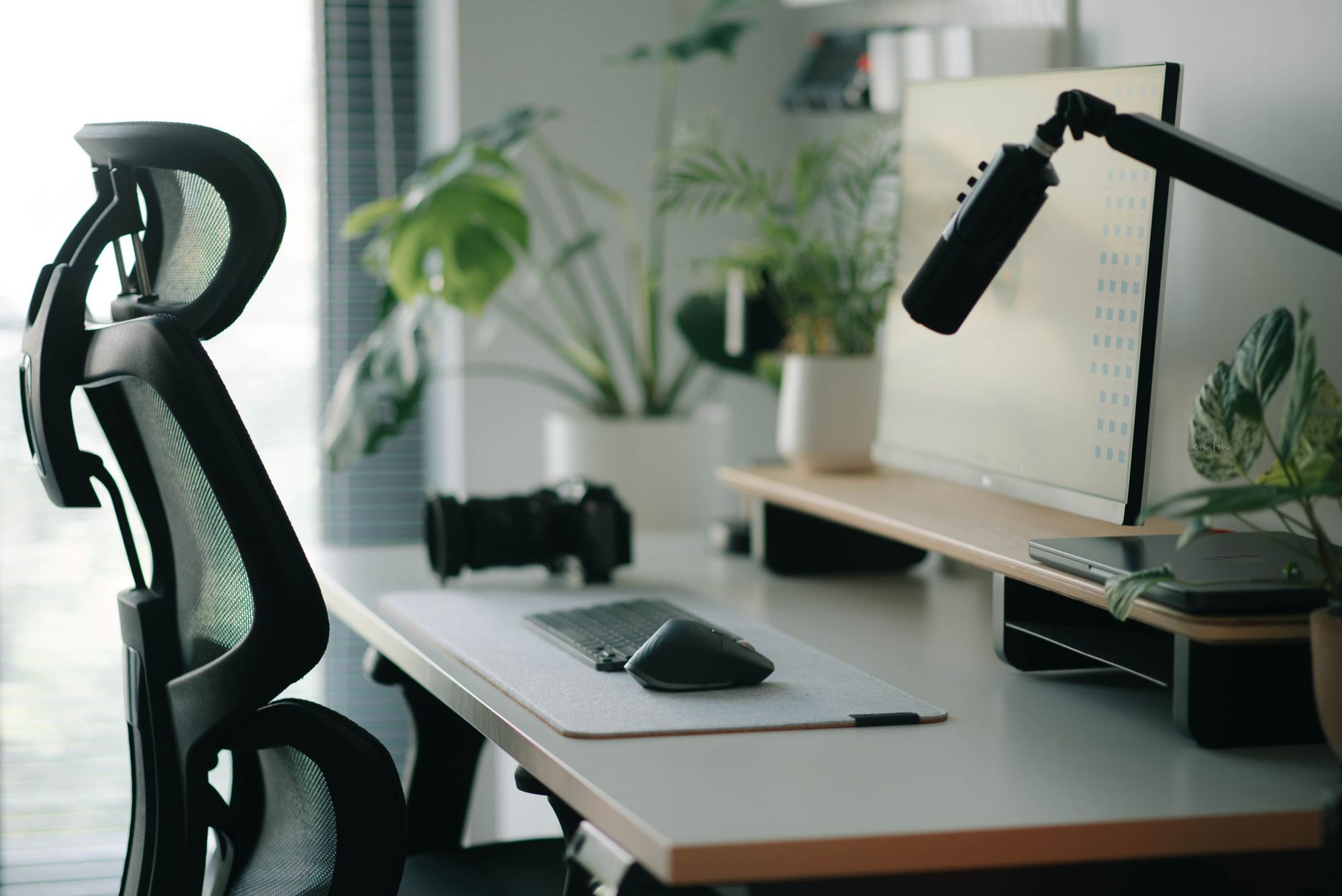
Begin by arranging your workstation to support both sitting and standing. A height‑adjustable desk lets you switch positions with a simple lever or button. If a full sit‑stand desk is out of budget, consider a desktop riser for your monitor and a separate standing platform for your laptop. Keep essential items—phone, keyboard, mouse—within easy reach in both modes. This reduces the friction of standing up and encourages frequent changes.

Place a small stool or low bench nearby for short rests. It offers a quick way to relieve leg fatigue without returning to a full chair. The key is to make each option feel natural, so you won’t hesitate to alternate throughout the day.

Schedule Micro‑Movements

Use your calendar or a timer app to remind you to move every 30 to 60 minutes. When the alert sounds, stand, stretch, or walk for two to three minutes. Simple actions—rolling shoulders, calf raises, or marching in place—activate muscles and improve circulation.

Pair movement with routine tasks. Stand while you answer phone calls, read emails, or attend virtual meetings. If a meeting lasts longer than 30 minutes, suggest a “stand‑up” format. This keeps the group engaged and reduces collective sitting time.

Incorporate Active Workstations

Replace some traditional tasks with active alternatives. Use a balance board or wobble cushion while you type to engage core muscles. A treadmill desk can be useful for low‑intensity tasks like reading or brainstorming, but start with short intervals to avoid fatigue.

For tasks that require deep focus, such as writing or coding, sit briefly, then transition to standing for review or editing. This pattern balances concentration with movement, preventing long periods of static posture.

Leverage the Office Layout

Design your daily route to include more steps. Place the printer, water cooler, or trash bin farther from your desk. Walk to a coworker’s desk instead of sending an instant message. Use stairs instead of elevators whenever possible.

Schedule brief walking breaks during lunch or between meetings. A five‑minute walk around the office or outside can reset your mind and break up sitting cycles.

Track Progress and Adjust

Use a simple spreadsheet or a wellness app to log how often you stand, walk, or perform micro‑exercises. Review the data weekly to see patterns and identify opportunities for improvement.

If you notice that you revert to sitting for long stretches, adjust your reminders or rearrange your workspace to make standing more convenient. Small tweaks, like moving a keyboard tray higher, can make a big difference over time.

Remember that the goal is not to eliminate sitting entirely but to create a rhythm of movement that supports energy and focus. By combining a flexible desk, timed micro‑movements, active workstations, and intentional office navigation, you can sit less while maintaining productivity.

Start with one or two changes this week. As each habit becomes comfortable, add another. Over a month, you’ll likely notice increased alertness, reduced stiffness, and a healthier work routine.

Related reading

AI disclosure: this article was automatically drafted with AI assistance and reviewed before publishing. Written with AI assistance: openai/gpt-oss-120b. It is general information, not professional medical, financial or legal advice.
Gentle Stretches to Relieve Stiff Hips and Lower Back

Attentive slender sportsman in casual clothes leaning forward while working out on urban pavement with shadow in sunlight

Many people spend hours sitting at a desk, driving, or watching screens. Over time, this habit can tighten the muscles around the hips and lower back. When those muscles become stiff, everyday movements feel harder and discomfort may appear. Simple, daily stretches can restore flexibility, improve posture, and reduce tension without any special equipment.

Why Hip and Back Flexibility Matters

The hips connect the torso to the legs. Tight hip flexors pull the pelvis forward, creating an exaggerated curve in the lower back. This posture puts extra pressure on spinal discs and surrounding ligaments. By lengthening the hip flexors and strengthening the surrounding muscles, you can balance the pelvis and ease strain on the back.

Regular stretching also increases blood flow to the muscles. Better circulation delivers oxygen and nutrients, which helps the tissues recover from daily stress. When you move more freely, you are less likely to develop compensatory patterns that lead to pain.

Preparation Tips

Before you begin, find a quiet space with a yoga mat or soft carpet. Wear comfortable clothing that allows full range of motion. Warm up lightly for one to two minutes by marching in place, swinging the arms, or doing gentle torso twists. This warm‑up raises the muscle temperature and makes the stretches safer.

Move slowly into each position. Hold the stretch for 20‑30 seconds, breathing deeply. If you feel sharp pain, stop immediately. A mild pulling sensation is normal, but pain signals that you are over‑stretching.

Four Simple Stretches

1. Kneeling Hip Flexor Stretch

Start in a kneeling position with the right knee on the floor and the left foot flat in front, forming a 90‑degree angle. Keep the hips square and gently push the hips forward until you feel a stretch in the front of the right hip. Hold, then switch sides. This stretch opens the hip flexors and reduces anterior pelvic tilt.

2. Seated Figure‑Four Stretch

Sit on the floor with both legs extended. Bend the right knee and place the right ankle over the left thigh, creating a figure‑four shape. Gently press the right knee toward the floor while keeping the spine tall. Hold, then repeat on the other side. This move targets the glutes and piriformis, which often tighten alongside the hips.

3. Cat‑Cow Spine Mobilization

Begin on hands and knees, shoulders over wrists and hips over knees. Inhale, arch the back, lift the head, and drop the belly (Cow). Exhale, round the spine, tuck the chin, and pull the belly toward the spine (Cat). Flow between these two positions for 8‑10 breaths. The motion warms the lumbar spine and encourages fluid movement.

4. Supine Knee‑to‑Chest Stretch

Lie on your back with legs extended. Bring one knee toward the chest, clasping the shin or behind the thigh. Keep the opposite leg relaxed on the floor. Hold, then switch legs. This stretch releases tension in the lower back and gently lengthens the hamstrings, which affect hip positioning.

Integrating Stretches Into Your Day

Consistency matters more than intensity. Aim to perform these stretches at least three times a week. You can break the routine into two short sessions—one in the morning and one in the evening. Pair the stretches with other healthy habits, such as standing up every hour, using a lumbar support pillow, and staying hydrated.

If you notice persistent discomfort after several weeks, consider consulting a physical therapist. A professional can assess your movement patterns and suggest personalized adjustments.

By dedicating a few minutes each day to these gentle stretches, you can keep the hips and lower back supple, improve overall mobility, and enjoy a more comfortable daily routine.

Related reading

AI disclosure: this article was automatically drafted with AI assistance and reviewed before publishing. Written with AI assistance: openai/gpt-oss-120b. It is general information, not professional medical, financial or legal advice.

How Much Protein Do You Really Need Every Day?

A nutritious breakfast featuring a fried egg, avocado, blueberries, and almonds.

Protein is a building block for muscles, enzymes, and hormones. Knowing how much you need helps you meet goals without excess. The amount varies by age, activity level, and health status. Below we break down the main factors and give practical numbers you can use.

Basic Recommendations for the General Population

The Dietary Reference Intake (DRI) suggests 0.8 grams of protein per kilogram of body weight for most adults. This translates to about 56 grams per day for a 70‑kg (154‑lb) man and 46 grams for a 57‑kg (125‑lb) woman. These values cover basic maintenance needs.

For people who are sedentary, staying near the DRI is usually sufficient. Eating a balanced diet with lean meats, dairy, beans, and nuts can easily meet this target.

Adjusting for Activity and Fitness Goals

Exercise increases protein demand. Strength training, high‑intensity interval training, and endurance sports all cause muscle breakdown that needs repair.

Most experts recommend 1.2–2.0 grams per kilogram for active individuals. A 70‑kg person who lifts weights three times a week might aim for 84–140 grams daily. Endurance athletes often stay at the lower end of this range, while bodybuilders may target the higher end.

Spread protein intake throughout the day. Consuming 20–30 grams every 3–4 hours maximizes muscle protein synthesis.

Special Considerations: Age, Health, and Diet Type

Older adults lose muscle mass faster. Research suggests 1.0–1.2 grams per kilogram can help preserve strength and function. A 68‑kg senior might need 68–82 grams each day.

People with kidney disease or certain metabolic conditions should follow medical advice, as high protein can strain the kidneys.

Vegetarians and vegans can meet needs with plant proteins. Combine legumes, grains, nuts, and soy to get all essential amino acids. Aim for the same gram range as omnivores, but consider slightly higher amounts because plant proteins are less bioavailable.

Practical Tips to Reach Your Target

Plan meals around protein sources. A typical breakfast could include Greek yogurt (15 g) and a boiled egg (6 g). Lunch might feature grilled chicken breast (30 g) with quinoa (8 g). Dinner could be salmon (25 g) with roasted vegetables.

Snacks are useful for hitting daily goals. A handful of almonds (6 g) or a protein shake (20 g) can fill gaps.

Read nutrition labels. Look for the “protein per serving” line and calculate how many servings you need.

Track intake with a simple app or spreadsheet. Seeing numbers helps you adjust portions quickly.

When More Isn’t Better

Excess protein does not automatically build more muscle. The body converts surplus protein to energy or stores it as fat. Very high intakes (above 2.5 g/kg) offer no extra benefit for most people and may stress kidneys over time.

Balance protein with carbohydrates and fats. Carbs fuel workouts, while fats support hormone production. A well‑rounded diet promotes overall health.

In summary, calculate your baseline using 0.8 g/kg, then adjust for activity, age, and dietary preferences. Aim for consistent, evenly spaced protein throughout the day, and monitor your intake with simple tools. This approach ensures you get enough protein to support your body without overdoing it.

Related reading

AI disclosure: this article was automatically drafted with AI assistance and reviewed before publishing. Written with AI assistance: openai/gpt-oss-120b. It is general information, not professional medical, financial or legal advice.

Practical Ways to Keep Motivation High When Progress Slows

A person rock climbing on a rugged cliff in the English countryside, showcasing adventure and physical challenge.

When you work toward a goal, the early excitement often fades as the pace of progress slows. The feeling of moving inch by inch can sap energy and make you question whether you should keep going. Yet steady effort, even at a modest speed, is the foundation of lasting achievement. Below are practical strategies that help you stay motivated when results feel distant.

Break the Goal into Tiny, Visible Steps

Large goals hide the small wins that fuel motivation. Divide the main objective into micro‑tasks that can be completed in a day or an hour. For example, if you are writing a book, aim to finish a single paragraph or outline a scene rather than "write a chapter." When you finish each micro‑task, you create a visible marker of progress. Marking these tasks on a board or checklist gives you a quick visual cue that you are moving forward.

Track Progress with Simple Metrics

Numbers make abstract effort concrete. Choose a metric that reflects your work—pages written, miles run, lines of code, or minutes practiced. Record the daily total in a spreadsheet or journal. Over time, the chart will reveal trends that are invisible in the moment. Seeing a gradual upward line can lift spirits on days when the work feels stagnant.

Schedule Regular Review Sessions

Set aside a brief weekly review to compare your current numbers with past performance. Ask yourself three questions: What did I accomplish? What obstacles slowed me down? What will I adjust for next week? This routine turns vague frustration into actionable insight. It also reminds you that slow periods are temporary and part of a larger cycle.

Celebrate Micro‑Wins Immediately

Reward yourself right after completing a micro‑task. The reward can be as simple as a short walk, a cup of tea, or five minutes of a favorite podcast. The key is to link the effort with a pleasant outcome, reinforcing the habit loop. Over time, these small celebrations build a positive association with the work itself.

Find an Accountability Partner

Sharing your goals with a friend, colleague, or online community adds external pressure that can boost internal drive. Choose someone who understands your objectives and can check in weekly. When you know another person will ask about your progress, you are more likely to push through slow days. In return, offer the same support to them.

Adjust Expectations Without Abandoning the Goal

Sometimes the original timeline is unrealistic. Re‑evaluate the deadline and ask whether a longer horizon would reduce pressure while preserving ambition. Extending the timeline does not mean giving up; it simply aligns expectations with reality, making each step feel more manageable.

Use Visual Reminders of the End Result

Place a picture, quote, or prototype of the finished product where you work daily. Visual cues keep the ultimate purpose in view, especially when day‑to‑day tasks feel repetitive. The reminder acts as a mental anchor, pulling you back to the larger picture whenever doubt arises.

Practice Self‑Compassion During Slumps

Harsh self‑criticism erodes motivation faster than any external setback. Acknowledge that slow periods are normal and treat yourself with the same kindness you would offer a teammate. Replace thoughts like "I'm failing" with "I'm learning how to keep going." This shift reduces anxiety and preserves energy for the next effort.

Mix Up the Routine to Refresh Energy

Monotony can make progress feel slower than it is. Change the environment, time of day, or tools you use for a few sessions. If you usually write at a desk, try a coffee shop for an hour. A fresh setting can spark new ideas and break the feeling of stagnation.

Remember the Long‑Term Benefits of Consistency

Consistent, incremental work compounds over months and years. Even a 5% improvement each week adds up to a significant gain after several months. Keep this compounding effect in mind when daily results feel minimal. The habit of showing up, regardless of speed, is the most reliable predictor of eventual success.

Staying motivated during slow periods is less about dramatic breakthroughs and more about building reliable habits, tracking tangible evidence, and treating yourself with patience. By applying these concrete steps, you can turn the frustration of sluggish progress into a steady climb toward your goal.

Related reading

AI disclosure: this article was automatically drafted with AI assistance and reviewed before publishing. Written with AI assistance: openai/gpt-oss-120b. It is general information, not professional medical, financial or legal advice.

Quick 15‑Minute Healthy Lunch Ideas for Busy Days

A close-up of vibrant fresh produce including apples, bell peppers, and tomatoes on a wooden table.

Finding time for a nutritious lunch can feel impossible when you have a packed schedule. The good news is that you can create satisfying, balanced meals in just fifteen minutes. Below are five ideas that combine protein, fiber, and healthy fats without sacrificing flavor.

1. Mediterranean Chickpea Salad

Start with a can of chickpeas, rinsed and drained. Add chopped cucumber, cherry tomatoes, red onion, and a handful of Kalamata olives. Toss with crumbled feta cheese and a drizzle of olive oil, lemon juice, salt, and pepper. The salad is ready in three minutes and provides plant protein, fiber, and healthy fats.

2. Turkey and Avocado Wrap

Lay a whole‑grain tortilla on a clean surface. Spread a thin layer of hummus, then layer sliced turkey breast, avocado slices, spinach leaves, and shredded carrots. Roll tightly and slice in half. This wrap delivers lean protein, heart‑healthy monounsaturated fat, and a crunch of vegetables.

3. Quick Veggie Stir‑Fry with Tofu

Heat a tablespoon of sesame oil in a non‑stick pan over medium heat. Add cubed firm tofu and stir until golden, about four minutes. Toss in pre‑cut stir‑fry vegetables—broccoli, bell pepper, snap peas—and a splash of low‑sodium soy sauce. Cook until vegetables are tender but crisp, roughly five minutes. Serve over microwaveable brown rice for a complete meal.

4. Greek Yogurt Power Bowl

Combine a cup of plain Greek yogurt with a tablespoon of honey. Top with sliced banana, mixed berries, a sprinkle of granola, and a handful of toasted almonds. The bowl offers calcium, probiotics, and antioxidants, making it a quick, nutrient‑dense option.

5. Spicy Tuna Lettuce Cups

Mix a can of drained tuna with a teaspoon of sriracha, a dash of lime juice, and a spoonful of diced celery. Spoon the mixture into large butter lettuce leaves. Garnish with chopped cilantro and a squeeze of extra lime. These cups are low in carbs, high in protein, and pack a zingy flavor.

All of these recipes require minimal prep and can be assembled with pantry staples or items from a quick grocery run. By keeping a few versatile ingredients on hand—canned beans, pre‑cut veggies, whole‑grain wraps, and protein sources—you can rotate these lunches throughout the week. The result is a varied menu that supports energy levels and helps you avoid the temptation of processed fast food.

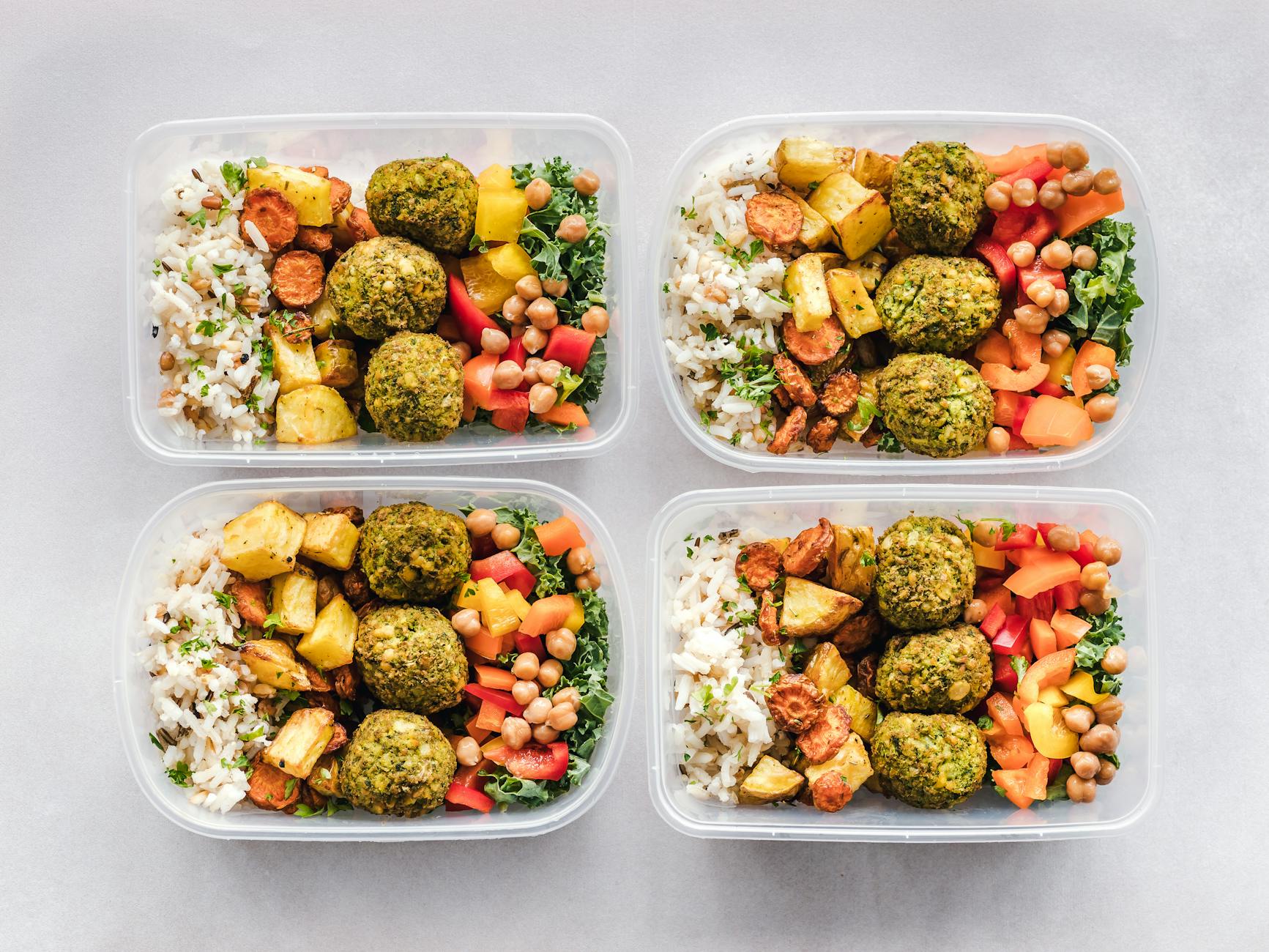
To streamline the process, consider batch‑prepping components on the weekend. Cook a batch of brown rice, roast a tray of mixed vegetables, and portion out nuts and seeds into snack bags. When lunchtime arrives, you only need to combine the pre‑made elements with fresh toppings or sauces. This approach reduces daily decision fatigue and keeps your meals both healthy and exciting.

Remember that a balanced lunch should include a source of protein, a serving of vegetables or fruit, and a whole grain or healthy fat. Aim for a plate that looks colorful and varied; the visual appeal often signals a range of nutrients. With these five ideas, you can enjoy a wholesome lunch without sacrificing time or taste.

Related reading

AI disclosure: this article was automatically drafted with AI assistance and reviewed before publishing. Written with AI assistance: openai/gpt-oss-120b. It is general information, not professional medical, financial or legal advice.

Wednesday, October 7, 2026

Home Strength Training: A Beginner’s Step‑by‑Step Guide

A shirtless man performing push-ups on a green field under bright daylight.

Starting a strength routine at home can feel intimidating, but you only need a few basics to begin. This guide walks you through equipment, core movements, and a simple weekly plan. Follow each step, stay consistent, and you will notice improvements in muscle tone, posture, and everyday strength.

1. Choose Simple, Affordable Equipment

You do not need a full gym to train effectively. A set of dumbbells, a resistance band, and a sturdy chair cover most beginner needs. If space is limited, start with body‑weight exercises and add weights later. Look for dumbbells that adjust in 5‑pound increments; this lets you progress without buying many pairs.

Simple Ten‑Minute Practices to Lower Daily Stress

A man enjoys outdoor relaxation and mindfulness beneath a bright, cloudy sky, exuding calm and peace.

Stress is a constant companion for many people, but it does not have to dominate every day. Even a short, focused break can calm the nervous system, improve mood, and boost productivity. The key is to choose activities that are easy to start, require no special equipment, and fit into a ten‑minute window. Below are practical steps you can try at home, at work, or on the go.

1. Controlled Breathing

Breathing is the most accessible tool for stress reduction. When you breathe slowly and deeply, you signal the brain to relax. Try the 4‑7‑8 technique: inhale through the nose for four seconds, hold the breath for seven seconds, then exhale through the mouth for eight seconds. Repeat the cycle three to four times. This pattern lowers heart rate and reduces the release of stress hormones. You can do it while sitting at a desk, standing in line, or lying in bed.

Staying Hydrated: Practical Tips for Busy Days

Office worker drinking water from glass, sitting at desk with plants and notes.

Why Hydration Matters on a Tight Schedule

When you rush from meeting to deadline, water often falls to the bottom of the priority list. Yet your body needs fluid to keep every system running smoothly. Even mild dehydration can sap energy, blur focus, and increase cravings for sugary drinks. By planning small, consistent actions, you can protect performance without adding extra tasks.

Set Up a Hydration System That Works

Start with a container you enjoy. A reusable bottle that fits your bag or a cup with a straw can make sipping feel effortless. Fill it at the beginning of the day and keep it within arm’s reach. When the bottle is visible, you are more likely to drink.

Simple Everyday Habits for Better Sleep Without Supplements

Warm and inviting bedroom interior with a bedside lamp and abstract art.

Getting quality sleep is essential for health, mood, and productivity. While many turn to pills, simple lifestyle tweaks can improve rest without chemicals. Below are practical steps you can add to your daily routine.

Set a Consistent Sleep Schedule

Going to bed and waking up at the same time each day trains your internal clock. Aim for a 7‑9 hour window that fits your lifestyle. Even on weekends, keep the shift within an hour of your weekday times. This regularity helps your body anticipate sleep, making it easier to fall asleep and stay asleep.

The Surprising Benefits of Walking Every Day for Health

A peaceful park scene with bare trees and a person walking on grass.

Walking is one of the simplest activities we can fit into a busy schedule. Yet many people overlook its power to shape physical, mental, and social well‑being. By stepping outside for a short walk each day, you create a ripple effect that reaches far beyond calories burned.

Boosting Physical Resilience

Regular walking strengthens muscles, joints, and bones without the strain of high‑impact sports. The gentle motion improves circulation, helping blood deliver oxygen and nutrients more efficiently. Over time, this steady flow supports heart function, lowers resting blood pressure, and enhances lung capacity. Because walking is low‑impact, it remains accessible for most ages and fitness levels, making it a reliable way to maintain mobility as you age.

Monday, October 5, 2026

How to Read Food Labels Without Feeling Overwhelmed

Elderly man examines product in grocery store aisle, representing daily shopping routine.

Walking down the grocery aisle, you’re bombarded with rows of colorful packages, each boasting a different claim about health, flavor, or sustainability. While food labels are designed to help you make informed choices, the sheer amount of information can feel intimidating. This guide breaks down the most important parts of a label, explains what to look for, and offers simple strategies to keep the process manageable.

Start with the Basics: Serving Size and Calories

The first numbers you’ll see on any packaged food are the serving size and the calories per serving. The serving size is a standardized amount that the manufacturer uses to calculate the rest of the nutrition facts. It may not match the portion you actually eat, so it’s worth checking. If the label says a serving is 1 cup but you typically eat half a cup, simply halve the calories and nutrient values. Understanding this relationship helps you avoid accidental over‑consumption.

A Practical Guide to Building a Sustainable Morning Routine

A minimalist setup with a cup of coffee, a notebook, and a pen on a white tabletop.

Establishing a morning routine is often framed as a transformative life hack, yet many people struggle to maintain one beyond the first few days. The challenge usually lies in over-ambition. When a routine requires an hour of intense exercise, meditation, and complex meal preparation, it becomes a source of stress rather than a foundation for the day. Building a routine that actually sticks requires a shift in focus from intensity to consistency.

The Principle of Habit Stacking

One of the most effective ways to anchor a new morning behavior is through a technique known as habit stacking. This involves pairing a new, desired action with an existing, automatic habit. For example, if you already drink a glass of water every morning, you might stack the habit of writing down three priorities for the day immediately after finishing that water. By leveraging the neural pathways already established for your existing habits, you reduce the cognitive load required to initiate the new task.

Simple Daily Habits to Keep Your Heart Strong and Healthy

Unrecognizable female wearing white shirt while standing on white background with diaphragm of stethoscope on red handmade heart in room

Maintaining a healthy heart isn’t about dramatic overhauls; it’s about integrating modest, consistent habits into everyday life. Small choices—like what you eat, how you move, and how you manage stress—add up over time to support cardiovascular function and reduce the risk of heart disease. Below are practical, evidence‑based habits that can be woven into a typical day without requiring major lifestyle changes.

1. Prioritize Whole‑Food Nutrition

What you put on your plate directly influences blood pressure, cholesterol levels, and inflammation. Aim to fill half of each meal with vegetables, fruits, or legumes. These plant‑based foods are rich in fiber, antioxidants, and potassium, all of which help regulate blood pressure and support arterial health. Incorporate whole grains such as oats, brown rice, or quinoa instead of refined grains; they provide sustained energy and improve lipid profiles.