Showing posts with label stress relief. Show all posts

Sunday, October 18, 2026

Simple Everyday Practices to Lower Stress Naturally

A woman practices yoga meditation outdoors in a serene mountain setting, promoting relaxation and wellness.

Stress is a part of modern life, but small changes can make a big difference. By adding a few easy habits to your routine, you can calm your mind, improve focus, and feel more balanced. Below are practical steps you can start today without needing special equipment or a big time commitment.

Start Your Day with a Breath Reset

Before you reach for your phone, sit up in bed and take three slow, deep breaths. Inhale through the nose for four counts, hold for two, then exhale through the mouth for six counts. This simple pattern signals your nervous system to shift from a fight‑or‑flight mode to a calmer state. Repeating the exercise for just one minute can lower heart rate and set a relaxed tone for the morning.

Move Your Body in Short Bursts

Physical activity releases endorphins, which naturally reduce tension. You don’t need a full workout; a five‑minute stretch, a quick walk around the block, or a set of jumping jacks can break up sedentary periods. Aim to stand, stretch, or move every hour. These micro‑breaks improve circulation, reduce muscle stiffness, and give your brain a brief reset.

Declutter Your Space

Clutter creates visual noise that can increase anxiety. Spend ten minutes each evening tidying a single area—your desk, kitchen counter, or entryway. Put items back where they belong, discard anything you no longer need, and wipe surfaces clean. A tidy environment makes it easier to locate things, reduces decision fatigue, and promotes a sense of control.

Practice Mindful Eating

When you eat, focus on the food rather than scrolling or watching TV. Notice the colors, textures, and flavors. Chew slowly and put your fork down between bites. This practice slows down digestion, helps you recognize fullness cues, and prevents overeating, which can cause physical discomfort and stress.

Limit Information Overload

Constant news alerts and social media updates can overwhelm the mind. Set specific times to check emails and social platforms—perhaps once in the morning and once in the evening. Turn off non‑essential notifications on your phone. By creating boundaries, you protect your mental bandwidth for tasks that truly matter.

Use a Simple Gratitude Routine

Each night, write down three things that went well that day. They can be as small as a tasty cup of coffee or a friendly conversation. This habit trains your brain to notice positive moments, which counteracts the negativity bias that fuels stress. Over time, you’ll notice a shift toward a more optimistic outlook.

Hydrate Consistently

Dehydration can mimic stress symptoms such as irritability and fatigue. Keep a reusable water bottle at your desk and aim for eight cups of water a day. If plain water feels boring, add a slice of lemon or cucumber for flavor. Regular hydration supports brain function and helps you stay calm under pressure.

Create a Wind‑Down Routine

Before bedtime, dim the lights and turn off screens at least thirty minutes prior to sleep. Engage in a calming activity like reading a physical book, gentle stretching, or listening to soft music. A consistent wind‑down signals your body that it’s time to rest, improving sleep quality and reducing next‑day stress.

Connect with Others Briefly

Social interaction buffers stress, even in short bursts. Call a friend, share a joke with a coworker, or send a quick text to a family member. These moments of connection release oxytocin, a hormone that promotes relaxation. Prioritize these micro‑conversations throughout the week.

Set Realistic Goals

Break larger projects into small, achievable tasks. Write down the next actionable step and focus on completing it before moving on. This approach prevents feeling overwhelmed and provides a clear sense of progress. Celebrate each completed step to reinforce motivation.

Incorporating these simple practices does not require major lifestyle changes. Start with one or two that feel most doable, and gradually add more as they become habit. Over weeks, you’ll notice reduced tension, clearer thinking, and a steadier mood. Small, consistent actions are the key to managing everyday stress effectively.

Related reading

AI disclosure: this article was automatically drafted with AI assistance and reviewed before publishing. Written with AI assistance: openai/gpt-oss-120b. It is general information, not professional medical, financial or legal advice.

Tuesday, October 13, 2026

Quick Ten‑Minute Practices to Lower Daily Stress

A man enjoys outdoor relaxation and mindfulness beneath a bright, cloudy sky, exuding calm and peace.

Stress is a constant companion for many people, but you don’t need hours of therapy to feel calmer. In just ten minutes, you can reset your nervous system and improve focus. The following steps are simple, require no special equipment, and can be done at home, at work, or in a park.

1. Reset Your Breath

Breathing is the fastest way to signal your brain that danger has passed. Sit upright, place one hand on your belly and the other on your chest. Inhale slowly through the nose for a count of four, feeling the belly rise. Hold for one second, then exhale through the mouth for a count of six, letting the belly fall. Repeat this cycle five times. The longer exhale activates the parasympathetic nervous system, which reduces heart rate and lowers cortisol levels.

2. Move Your Body

Physical motion releases endorphins, natural mood boosters. Choose a movement that fits your space: march in place, stretch your arms overhead, or do a quick series of squats. Perform the activity for two minutes, keeping the pace moderate. The goal is to increase blood flow, not to exhaust yourself. After the movement, notice any shift in tension or mental clarity.

3. Engage Your Senses

Our senses anchor us in the present moment. Pick an object within arm’s reach—a plant, a coffee mug, or a stone. Observe its color, texture, and shape for thirty seconds. Then, close your eyes and listen for three distinct sounds—perhaps a distant car, a ticking clock, or birds outside. Finally, take a gentle sniff of something pleasant, like a citrus peel or a scented candle. This sensory scan interrupts rumination and grounds you in the now.

4. Practice a Mini‑Gratitude Exercise

Gratitude shifts attention from what’s lacking to what is abundant. Write down three specific things you appreciate today. They can be as simple as a warm cup of tea, a friendly coworker, or a sunny window. Spend a minute reflecting on each item, noticing the positive feeling it creates. This brief practice can rewire neural pathways toward optimism, reducing stress over time.

5. Visualize a Calm Scene

Visualization taps into the brain’s imagination center, which reacts similarly to real experiences. Close your eyes and picture a place where you feel safe—a beach, a forest, or a quiet library. Imagine the details: the sound of waves, the scent of pine, the soft rustle of pages. Hold this image for one minute, breathing naturally. The mental escape lowers the fight‑or‑flight response without leaving your seat.

6. Set a Tiny Goal

Unfinished tasks often fuel anxiety. Choose one small, achievable action you can complete in the next five minutes—reply to an email, tidy a desk drawer, or water a plant. Write the task on a sticky note and commit to it. Completing the action provides a sense of control and reduces the mental clutter that contributes to stress.

7. Close with a Positive affirmation

Words shape mindset. Speak a short, realistic affirmation aloud, such as “I am capable of handling today’s challenges” or “I choose calm over worry.” Repeat it three times, matching your breath. The repetition reinforces a constructive self‑talk pattern, which can counteract negative thoughts that arise during stressful moments.

All seven steps together take about ten minutes, but you can mix and match based on time and preference. The key is consistency: practicing these micro‑techniques daily builds resilience, making everyday stress feel more manageable. Try them tomorrow morning, during a lunch break, or before bedtime, and notice how quickly your mood lifts.

Related reading

AI disclosure: this article was automatically drafted with AI assistance and reviewed before publishing. Written with AI assistance: openai/gpt-oss-120b. It is general information, not professional medical, financial or legal advice.

Monday, October 12, 2026

Simple Steps to Declutter Your Home and Reduce Stress

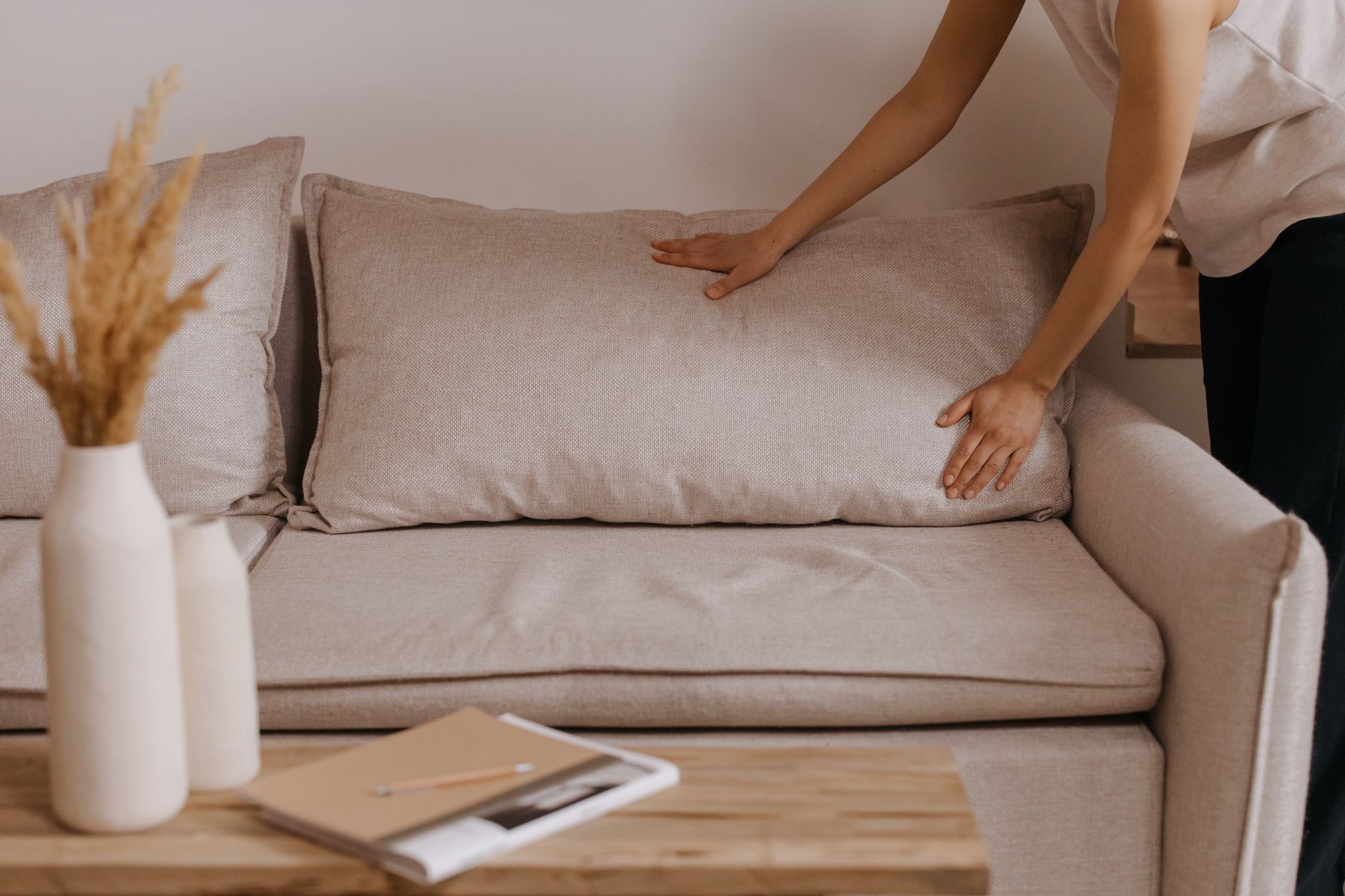
Minimalistic living room scene with a person arranging a pillow on a beige sofa.

Clutter can make a space feel chaotic and increase anxiety. By simplifying your environment, you create room for calm and focus. This guide offers practical, easy-to-follow steps that anyone can use to clear out excess items and keep a tidy home.

Start with a Clear Vision

Before you begin, decide what a clean space looks like for you. Write down a short description of the result you want, such as "a living room with only essential furniture and a few decorative pieces." Having a clear picture helps you stay motivated and measure progress.

Next, set a realistic timeline. Break the project into small chunks, like one room per weekend. Short, focused sessions prevent burnout and make the task feel manageable.

Sort Items Quickly

Use the four‑box method: keep, donate, recycle, and discard. Pick up each object and place it in the appropriate box. If you’re unsure, ask yourself two questions: Do I use this regularly? Does it add value to my life? If the answer is no, move it to donate or discard.

Work from top to bottom in each room. Start with surfaces, then move to shelves, closets, and finally the floor. This top‑down approach ensures you don’t miss hidden items and keeps the process orderly.

When you reach sentimental items, set a limit. Choose a small box for keepsakes and store it out of sight. This allows you to honor memories without crowding daily spaces.

Maintain a Minimalist Routine

After you finish the initial purge, adopt daily habits that prevent clutter from returning. Spend five minutes each evening returning items to their proper places. A quick scan of surfaces each morning can catch stray objects before they accumulate.

Implement a “one‑in, one‑out” rule for new purchases. When you bring something new home, remove an existing item of similar size or function. This keeps the total number of belongings stable.

Finally, schedule regular check‑ins. Every three months, repeat a brief version of the four‑box sort. This refreshes your space and reinforces the habit of mindful consumption.

By following these simple steps, you can transform a cluttered house into a calm, organized environment. The effort you invest now pays off in reduced stress, clearer thinking, and more enjoyable living spaces.

Related reading

AI disclosure: this article was automatically drafted with AI assistance and reviewed before publishing. Written with AI assistance: openai/gpt-oss-120b. It is general information, not professional medical, financial or legal advice.

Wednesday, October 7, 2026

Simple Ten‑Minute Practices to Lower Daily Stress

A man enjoys outdoor relaxation and mindfulness beneath a bright, cloudy sky, exuding calm and peace.

Stress is a constant companion for many people, but it does not have to dominate every day. Even a short, focused break can calm the nervous system, improve mood, and boost productivity. The key is to choose activities that are easy to start, require no special equipment, and fit into a ten‑minute window. Below are practical steps you can try at home, at work, or on the go.

1. Controlled Breathing

Breathing is the most accessible tool for stress reduction. When you breathe slowly and deeply, you signal the brain to relax. Try the 4‑7‑8 technique: inhale through the nose for four seconds, hold the breath for seven seconds, then exhale through the mouth for eight seconds. Repeat the cycle three to four times. This pattern lowers heart rate and reduces the release of stress hormones. You can do it while sitting at a desk, standing in line, or lying in bed.