
Showing posts with label back health. Show all posts

Sunday, October 18, 2026

Practical Ways to Ease Back Pain While Working at a Desk

Emotionless female secretary in casual wear sitting at table in contemporary workplace and tying ponytail during work

Spending eight or more hours at a desk can strain the lower back. The combination of sitting, typing, and staring at a screen creates pressure on the spine and surrounding muscles. Over time, this pressure can lead to stiffness, soreness, and reduced productivity. The good news is that simple adjustments and regular habits can significantly reduce discomfort and protect your back.

Set Up an Ergonomic Workspace

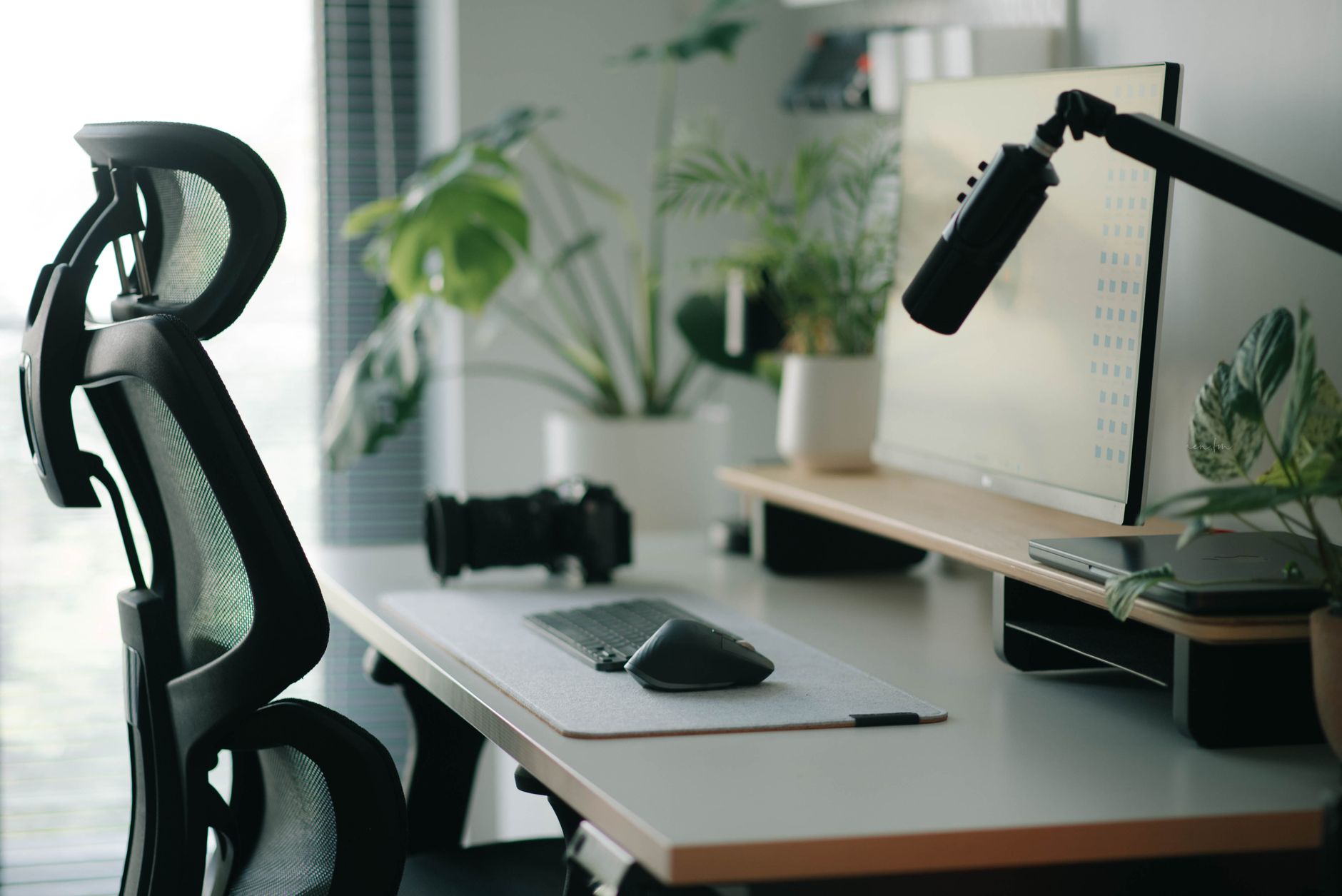
Start by arranging your desk so that your body maintains a neutral posture. Place your monitor at eye level, about an arm’s length away. Your elbows should rest at a 90-degree angle when typing, and your wrists should stay straight. Use a chair that supports the natural curve of your lower back. If your chair lacks lumbar support, add a small cushion or rolled towel.

Keep your feet flat on the floor or on a footrest. Avoid crossing your legs, as this can twist the spine. Adjust the height of your chair so that your knees are slightly lower than your hips. This position reduces pressure on the lumbar region.

Incorporate Movement Breaks

Even short, frequent breaks can prevent muscles from tightening. Set a timer to stand up every 30 minutes. Walk to the water cooler, stretch your arms, or do a quick hallway stroll. These micro‑movements improve circulation and give the spine a chance to reset.

Try the 20‑20‑20 rule for eye strain, and add a back‑friendly twist: after looking at a screen for 20 minutes, look at something 20 feet away for 20 seconds, then stand and stretch for a minute. Simple neck rolls, shoulder shrugs, and seated cat‑cow stretches can release tension without leaving your workstation.

Strengthen Core Muscles

A strong core supports the lower back and reduces the load on spinal discs. Incorporate brief core exercises into your daily routine. Planks, bird‑dogs, and seated leg lifts can be done in a few minutes. Aim for two to three sets of each exercise, holding planks for 20‑30 seconds and performing 10‑12 repetitions of the other moves.

Consistency matters more than intensity. Even a five‑minute core routine each morning can make a noticeable difference after a few weeks. Pair these exercises with regular walking or light cardio to keep overall fitness up.

Adopt Healthy Sitting Habits

Avoid slouching or leaning forward for long periods. Keep your shoulders relaxed and your spine aligned. If you tend to hunch, place a small pillow behind your lower back to remind you to sit upright.

Use a standing desk or a desk converter if possible. Alternate between sitting and standing throughout the day. Start with 15 minutes of standing and gradually increase the time as your body adapts. Remember to keep the monitor at the same height when you stand.

Mind Your Lifestyle Outside Work

What you do after work influences how you feel at your desk. Aim for regular physical activity, such as walking, swimming, or yoga. These activities keep muscles flexible and improve posture.

Maintain a healthy weight to reduce stress on the spine. Hydration also plays a role; well‑hydrated discs are more resilient. Finally, get enough sleep on a supportive mattress. A good night’s rest allows the spine to recover from daily strain.

By combining ergonomic adjustments, frequent movement, core strengthening, and healthy habits, you can manage back soreness and stay productive. Small changes add up, turning a painful desk job into a more comfortable, sustainable experience.

Related reading
AI disclosure: this article was automatically drafted with AI assistance and reviewed before publishing. Written with AI assistance: openai/gpt-oss-120b. It is general information, not professional medical, financial or legal advice.

Friday, October 9, 2026

Gentle Stretches to Relieve Stiff Hips and Lower Back

Attentive slender sportsman in casual clothes leaning forward while working out on urban pavement with shadow in sunlight

Many people spend hours sitting at a desk, driving, or watching screens. Over time, this habit can tighten the muscles around the hips and lower back. When those muscles become stiff, everyday movements feel harder and discomfort may appear. Simple, daily stretches can restore flexibility, improve posture, and reduce tension without any special equipment.

Why Hip and Back Flexibility Matters

The hips connect the torso to the legs. Tight hip flexors pull the pelvis forward, creating an exaggerated curve in the lower back. This posture puts extra pressure on spinal discs and surrounding ligaments. By lengthening the hip flexors and strengthening the surrounding muscles, you can balance the pelvis and ease strain on the back.

Regular stretching also increases blood flow to the muscles. Better circulation delivers oxygen and nutrients, which helps the tissues recover from daily stress. When you move more freely, you are less likely to develop compensatory patterns that lead to pain.

Preparation Tips

Before you begin, find a quiet space with a yoga mat or soft carpet. Wear comfortable clothing that allows full range of motion. Warm up lightly for one to two minutes by marching in place, swinging the arms, or doing gentle torso twists. This warm‑up raises the muscle temperature and makes the stretches safer.

Move slowly into each position. Hold the stretch for 20‑30 seconds, breathing deeply. If you feel sharp pain, stop immediately. A mild pulling sensation is normal, but pain signals that you are over‑stretching.

Four Simple Stretches

1. Kneeling Hip Flexor Stretch

Start in a kneeling position with the right knee on the floor and the left foot flat in front, forming a 90‑degree angle. Keep the hips square and gently push the hips forward until you feel a stretch in the front of the right hip. Hold, then switch sides. This stretch opens the hip flexors and reduces anterior pelvic tilt.

2. Seated Figure‑Four Stretch

Sit on the floor with both legs extended. Bend the right knee and place the right ankle over the left thigh, creating a figure‑four shape. Gently press the right knee toward the floor while keeping the spine tall. Hold, then repeat on the other side. This move targets the glutes and piriformis, which often tighten alongside the hips.

3. Cat‑Cow Spine Mobilization

Begin on hands and knees, shoulders over wrists and hips over knees. Inhale, arch the back, lift the head, and drop the belly (Cow). Exhale, round the spine, tuck the chin, and pull the belly toward the spine (Cat). Flow between these two positions for 8‑10 breaths. The motion warms the lumbar spine and encourages fluid movement.

4. Supine Knee‑to‑Chest Stretch

Lie on your back with legs extended. Bring one knee toward the chest, clasping the shin or behind the thigh. Keep the opposite leg relaxed on the floor. Hold, then switch legs. This stretch releases tension in the lower back and gently lengthens the hamstrings, which affect hip positioning.

Integrating Stretches Into Your Day

Consistency matters more than intensity. Aim to perform these stretches at least three times a week. You can break the routine into two short sessions—one in the morning and one in the evening. Pair the stretches with other healthy habits, such as standing up every hour, using a lumbar support pillow, and staying hydrated.

If you notice persistent discomfort after several weeks, consider consulting a physical therapist. A professional can assess your movement patterns and suggest personalized adjustments.

By dedicating a few minutes each day to these gentle stretches, you can keep the hips and lower back supple, improve overall mobility, and enjoy a more comfortable daily routine.

Related reading

AI disclosure: this article was automatically drafted with AI assistance and reviewed before publishing. Written with AI assistance: openai/gpt-oss-120b. It is general information, not professional medical, financial or legal advice.