Showing posts with label stretching. Show all posts

Friday, October 30, 2026

Effective Neck Stretches for Long Hours at Your Desk

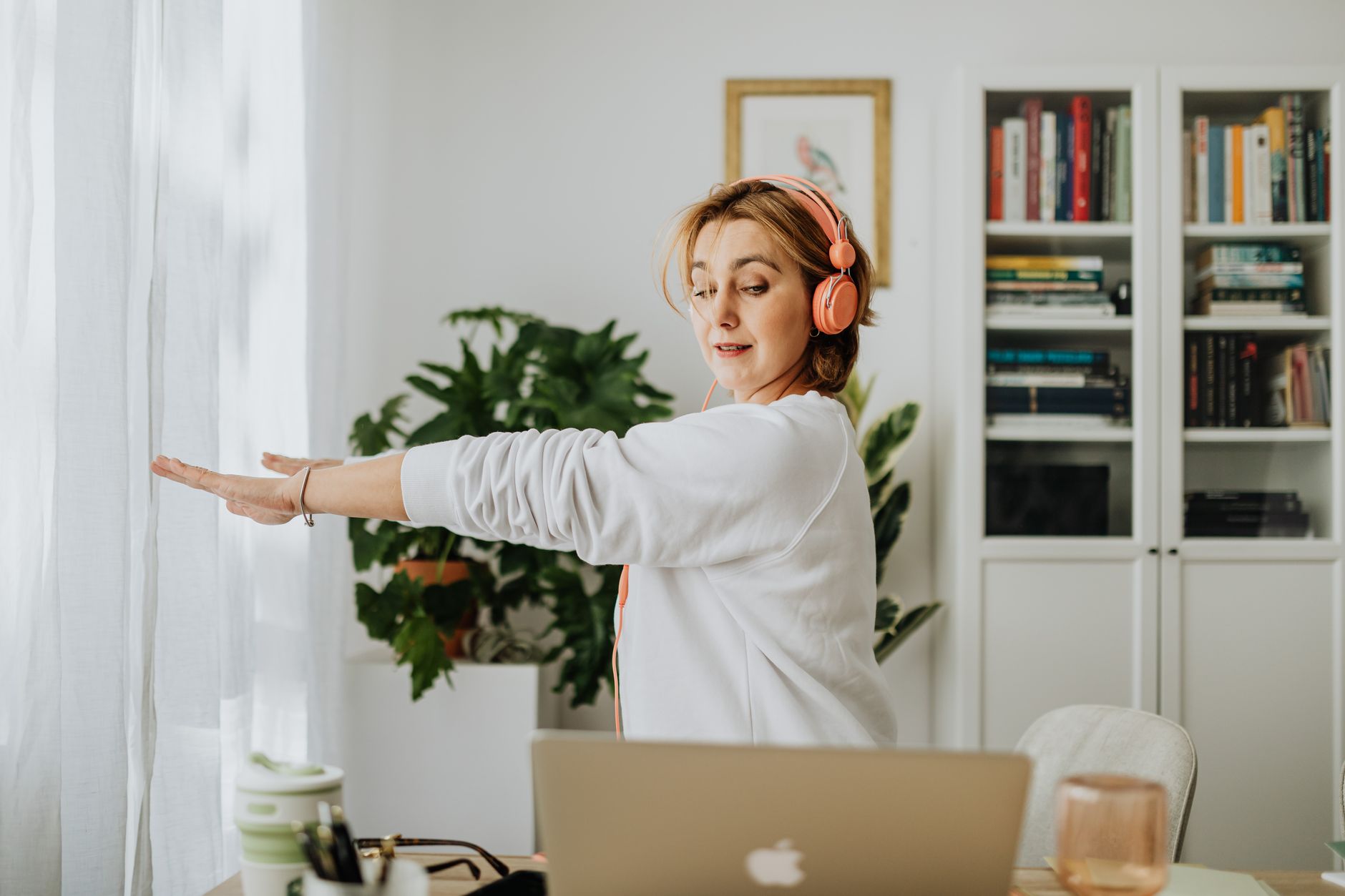
Woman exercising with headphones in a cozy home office setting. Lifestyle and wellness focus.

Long hours at a computer often lead to a stiff neck. You might notice tension in your shoulders or tightness at the base of your skull. This discomfort happens when you hold your head in one position for too long. Your muscles fatigue and tighten to support the weight of your head. Regular movement helps release this tension and improves your comfort during the workday.

Simple Neck Mobility Exercises

Start with gentle movements to warm up your neck muscles. Sit upright with your feet flat on the floor. Keep your shoulders relaxed and away from your ears. Slowly tilt your head toward your right shoulder. Stop when you feel a mild stretch along the left side of your neck. Hold this position for fifteen seconds. Return to the center and repeat the movement on the left side. Perform this cycle three times on each side. Avoid forcing your head down with your hands. Let gravity provide the necessary pressure for the stretch.

Next, try a slow rotation to improve your range of motion. Look straight ahead with your chin parallel to the floor. Slowly turn your head to the right as if looking over your shoulder. Move only as far as feels comfortable. Hold for ten seconds. Return to the center and turn to the left. Repeat this sequence five times. Keep your movements smooth and controlled. Jerky motions can increase muscle strain rather than relieving it.

Releasing Tension in the Upper Back

Neck stiffness often originates in the upper back and shoulder blades. These muscles work together to stabilize your posture. To target this area, perform a chin tuck. Sit tall and look straight ahead. Gently pull your chin straight back as if making a double chin. You should feel a stretch at the base of your skull and the top of your neck. Hold for five seconds and release. Repeat this ten times throughout the day. This exercise helps counteract the forward head posture common with screen use.

Shoulder rolls also provide relief for a tight neck. Lift your shoulders toward your ears in a smooth motion. Roll them backward and down in a circular path. Focus on squeezing your shoulder blades together at the bottom of the movement. Repeat this ten times in a backward direction. Then, reverse the motion by rolling your shoulders forward. This action loosens the trapezius muscles that connect your neck to your shoulders. Consistent movement prevents the buildup of tightness over several hours.

Adjusting Your Workspace for Comfort

Stretching provides temporary relief, but workspace adjustments offer long-term benefits. Position your monitor so the top third of the screen sits at eye level. This prevents you from tilting your head up or down. Use a laptop stand or a stack of books to reach the correct height. If you use a laptop, consider an external keyboard and mouse. This setup allows you to keep your screen at the right height while your arms remain at a comfortable angle.

Check your chair height to ensure your elbows rest at a ninety-degree angle. Your feet should rest firmly on the ground. If your chair lacks lumbar support, place a small pillow behind your lower back. Proper support encourages an upright posture. When your spine stays aligned, your neck muscles do not have to work as hard. Take a break every hour to stand up and walk for two minutes. Movement increases blood flow to your muscles and reduces stiffness.

Building a Daily Stretching Routine

Consistency matters more than intensity when stretching a stiff neck. Set a timer on your phone to remind you to move every sixty minutes. You do not need a long session to see results. Two minutes of gentle stretching can change how your body feels by the end of the day. Listen to your body during these exercises. If you feel sharp pain, stop the movement immediately. Stretching should feel like a mild pull, not a source of pain.

Incorporate these habits into your existing workflow. Perform a few neck rolls while waiting for a file to download. Do your chin tucks during a conference call where you are only listening. Small, frequent movements prevent muscles from locking into a static position. Over time, these habits become part of your routine. You will likely notice less fatigue and better focus during your work hours. Prioritize your physical comfort to maintain your productivity and well-being at the desk.

Related reading

AI disclosure: this article was automatically drafted with AI assistance and reviewed before publishing. Written with AI assistance: gemini-3.1-flash-lite. It is general information, not professional medical, financial or legal advice.

Saturday, October 24, 2026

Simple Daily Stretches to Improve Desk Posture

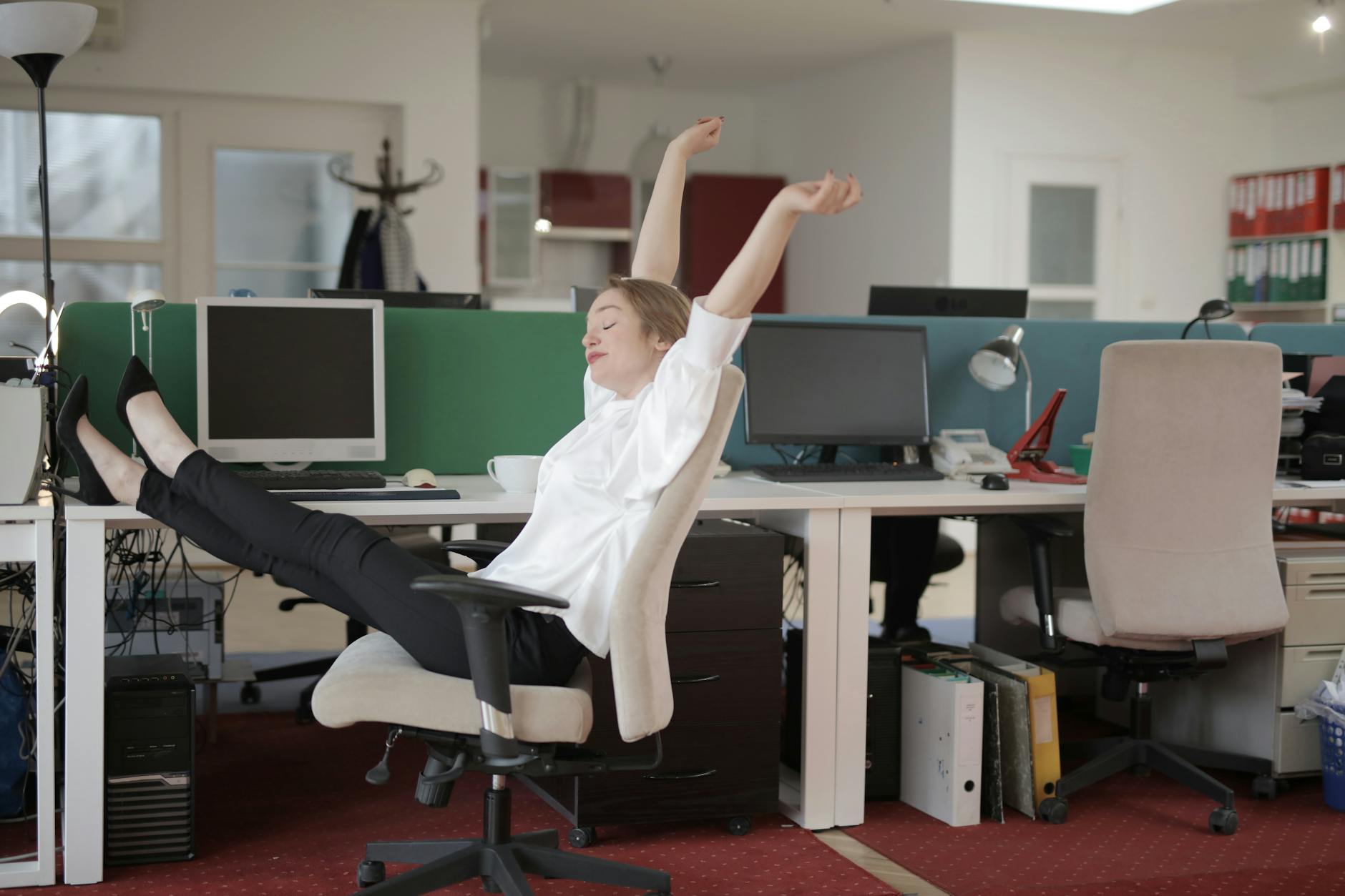
Side view of cheerful female employee in formal outfit sitting on office chair with crossed legs on desk and stretching while resting during work with closed eyes

Long hours at a desk often lead to physical stiffness. Muscles tighten when held in one position for too long. This tension affects the neck, shoulders, and lower back. Simple movements can help release this tightness throughout the day. These stretches require no special equipment. You can perform them right at your workstation.

Neck and Shoulder Relief

The neck often carries the most stress during a workday. Start by sitting tall in your chair. Keep your feet flat on the floor. Slowly tilt your right ear toward your right shoulder. Hold this position for fifteen seconds. You should feel a gentle stretch along the left side of your neck. Repeat this movement on the left side. Do not force the stretch beyond a comfortable point.

Next, focus on your shoulders. Roll your shoulders forward in a circular motion five times. Then, roll them backward five times. This motion helps loosen the muscles around the shoulder blades. Finally, reach both arms overhead. Interlace your fingers and push your palms toward the ceiling. Breathe deeply while you hold this reach for ten seconds. This action lengthens the spine and opens the chest.

Torso and Back Mobility

Sitting for extended periods limits movement in the torso. A seated spinal twist helps improve mobility in the mid-back. Sit upright and place your feet firmly on the ground. Place your left hand on the back of your chair. Gently rotate your upper body to the left. Look over your left shoulder if it feels comfortable. Hold the twist for twenty seconds. Return to the center and repeat the movement on the right side.

Another effective move is the seated cat-cow stretch. Place your hands on your knees. As you inhale, arch your back and look toward the ceiling. Push your chest forward. As you exhale, round your spine and tuck your chin toward your chest. Repeat this cycle five times. This movement encourages flexibility in the vertebrae. It also helps counteract the tendency to slouch forward toward a computer screen.

Wrist and Hip Maintenance

Typing and using a mouse can strain the wrists. Extend your right arm in front of you with the palm facing up. Use your left hand to gently pull your fingers back toward your body. Hold for fifteen seconds. Switch arms and repeat the process. This stretch targets the forearm muscles used during repetitive typing tasks.

The hips also tighten from prolonged sitting. Try a seated figure-four stretch to address this area. Cross your right ankle over your left knee. Keep your right foot flexed to protect the knee joint. Sit tall and gently lean your torso forward. You will feel a stretch in the outer hip and gluteal muscles. Hold for thirty seconds. Switch legs and repeat the stretch on the other side. This simple movement helps maintain range of motion in the hip joints.

Building a Consistent Routine

Consistency matters more than intensity when stretching at work. Aim to perform these movements every hour or two. Set a timer on your phone or computer to remind you. Even two minutes of movement can make a difference in how you feel. Focus on your breathing while you stretch. Deep breaths help the muscles relax more effectively.

Listen to your body during these exercises. Stretching should feel like a gentle pull, not sharp pain. If a movement causes discomfort, stop immediately. You can modify the range of motion to suit your current flexibility. Over time, these small habits may help you feel more comfortable at your desk. Proper desk setup also plays a role in your physical comfort. Ensure your monitor sits at eye level. Keep your keyboard close enough to maintain a neutral wrist position. Combine these ergonomic adjustments with regular movement breaks for the best results. Small, frequent changes often lead to the most sustainable improvements in daily comfort.

Related reading

AI disclosure: this article was automatically drafted with AI assistance and reviewed before publishing. Written with AI assistance: gemini-3.1-flash-lite. It is general information, not professional medical, financial or legal advice.

Sunday, October 18, 2026

A Practical Guide to Stretching Tight Hamstrings Safely

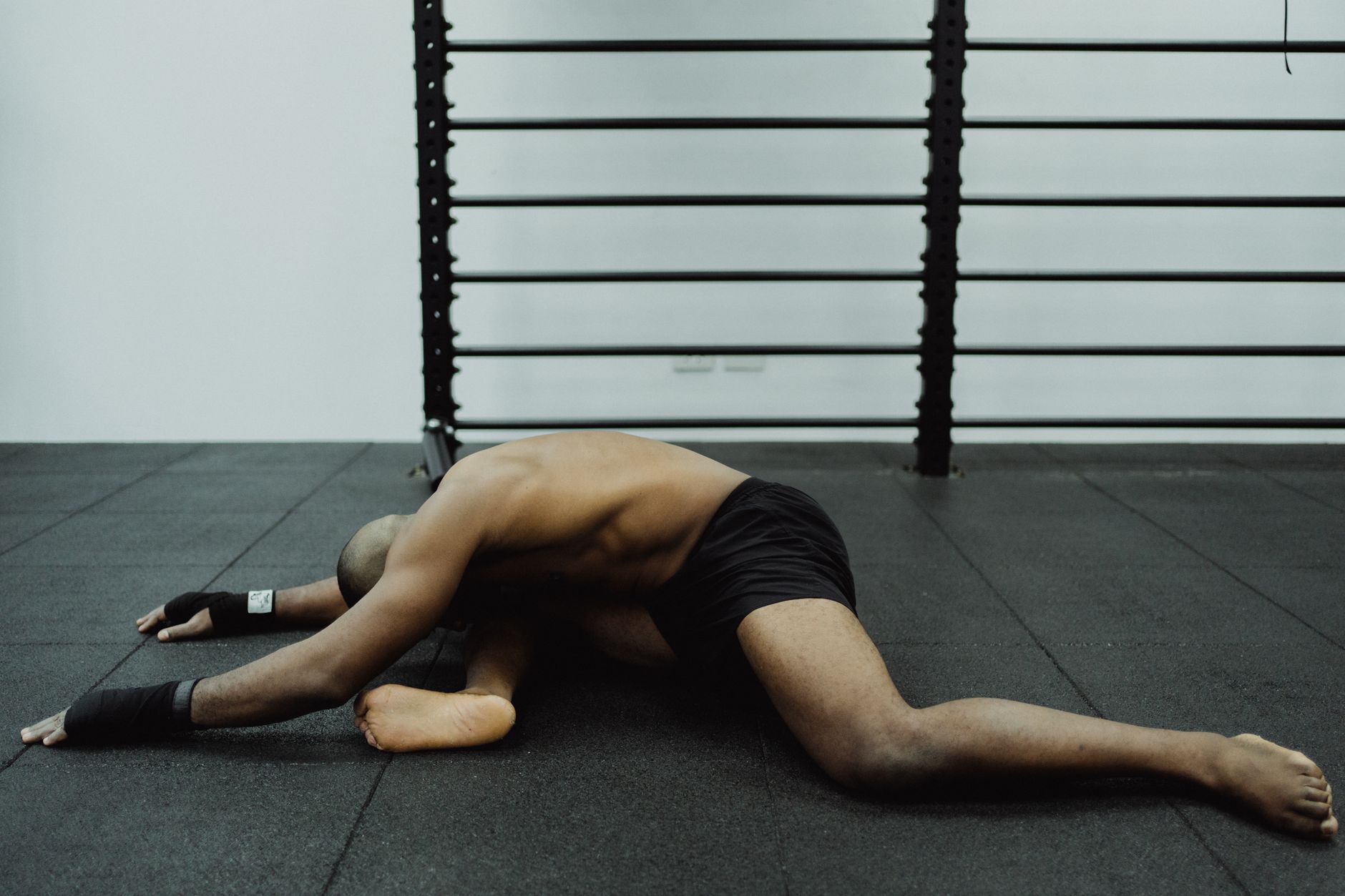
Shirtless man stretches while sitting on gym floor, showcasing flexibility.

Tight hamstrings often cause discomfort in the lower back and legs. Many people experience this tension due to long hours of sitting or repetitive movement patterns. Improving flexibility requires patience and consistent practice. You must approach these stretches with care to avoid injury. This guide outlines safe methods to lengthen your muscles over time.

Understanding Your Hamstring Muscles

The hamstrings consist of three muscles running along the back of your thigh. They connect your hip to your knee. These muscles help you bend your knee and extend your hip. When they become short or stiff, they pull on your pelvis. This shift can lead to aches in your lumbar spine. You should never force a stretch to the point of pain. Sharp sensations indicate that you are pushing too far. Aim for a mild, manageable tension instead.

Warm muscles stretch more easily than cold ones. Always perform a light warm-up before you begin your routine. Five minutes of walking or gentle leg swings will increase blood flow. This preparation makes the tissue more pliable. It also reduces the risk of muscle strains. Focus on your breathing throughout each movement. Deep, steady breaths help your nervous system relax. This relaxation allows your muscles to release tension more effectively.

Effective Stretches for Daily Use

The standing hamstring stretch is a simple starting point. Place one heel on a low step or a sturdy stool. Keep your standing leg slightly bent to protect your knee. Keep your back straight and hinge forward at your hips. Do not round your spine or tuck your chin. Reach toward your toes only if you can maintain a flat back. Hold this position for thirty seconds. Switch legs and repeat the process. You should feel a gentle pull in the center of your thigh.

Another useful option is the supine hamstring stretch. Lie flat on your back on a yoga mat. Lift one leg toward the ceiling while keeping the other flat on the floor. Use a towel or a strap around the arch of your raised foot. Gently pull the strap toward your chest. Keep your shoulders pressed firmly against the ground. This method provides stability and prevents you from overextending your back. It is an excellent choice for those who struggle with balance.

Consistency and Long-Term Progress

Flexibility does not improve overnight. You must practice these movements several times per week to see results. Avoid the temptation to bounce during a stretch. Bouncing triggers a protective reflex that causes the muscle to contract. This reaction works against your goal of lengthening the tissue. Hold each position steadily to encourage the muscle fibers to relax. If you feel shaking, ease off the intensity slightly.

Listen to your body during every session. Some days your muscles will feel tighter than others. This variation is normal and depends on your activity levels and stress. Adjust your range of motion based on how you feel in the moment. Do not compare your progress to others. Everyone has different anatomy and baseline flexibility levels. Focus on your own improvement rather than reaching a specific goal like touching your toes.

Incorporate these stretches into your evening routine. A quiet environment helps you focus on your form. Use a timer to ensure you hold each stretch for an adequate duration. If you experience persistent pain or numbness, stop the activity immediately. Consult a professional if you have a history of injury or chronic discomfort. Safe stretching is a marathon, not a sprint. With regular practice, you will likely notice improved comfort in your daily movements.

Related reading

AI disclosure: this article was automatically drafted with AI assistance and reviewed before publishing. Written with AI assistance: gemini-3.1-flash-lite. It is general information, not professional medical, financial or legal advice.

Simple Desk Stretches to Relieve Shoulder Stiffness
Man stretches in a park surrounded by greenery, captured in natural lighting.

Long hours at a desk often lead to tight shoulders. You might notice tension creeping into your neck and upper back by mid-afternoon. This stiffness happens when you hold one position for too long. Your muscles shorten and lose their natural flexibility. Simple movements can help you regain comfort during your workday. These stretches require no special equipment. You can perform them right at your workstation in just a few minutes.

The Shoulder Roll Technique

Shoulder rolls are the easiest way to release immediate tension. Sit upright with your feet flat on the floor. Keep your spine straight and your head level. Inhale deeply as you lift your shoulders toward your ears. Hold this position for two seconds. Exhale slowly while rolling your shoulders back and down. Imagine you are trying to squeeze your shoulder blades together. Repeat this motion ten times in a smooth, circular rhythm. This action helps reset your posture after hours of hunching over a keyboard. It encourages blood flow to the muscles surrounding your shoulder joints. Perform this set whenever you feel your shoulders creeping upward toward your ears.

The Overhead Reach

Reaching overhead helps lengthen the muscles that tighten during typing. Sit firmly in your chair with your core engaged. Interlace your fingers and turn your palms toward the ceiling. Push your hands upward as if you are trying to touch the sky. Keep your arms close to your ears if possible. Do not force the movement if you feel sharp pain. Hold the stretch for fifteen seconds while breathing steadily. You should feel a gentle pull along your sides and through your shoulders. Lower your arms slowly to your sides after the hold. Repeat this stretch three times. This movement counteracts the forward-leaning posture common in office environments. It opens the chest and creates space in the upper torso.

The Cross-Body Pull

The cross-body stretch targets the back of the shoulder. Extend your right arm straight out in front of you. Keep your arm at shoulder height. Use your left hand to gently pull your right arm across your chest. Keep your right elbow slightly bent to avoid strain. You will feel a stretch in the back of your right shoulder. Hold this position for twenty seconds. Focus on keeping your shoulders down and away from your ears. Switch sides and repeat the movement with your left arm. Perform this sequence twice on each side. This stretch is effective for loosening the muscles that stabilize your shoulder blades. It provides relief after repetitive tasks like mouse work or data entry.

Maintaining Better Desk Habits

Stretching provides temporary relief, but daily habits matter more. Check your monitor height to ensure your eyes meet the top third of the screen. This prevents you from tilting your head forward. Keep your keyboard close enough so your elbows stay at a ninety-degree angle. Avoid resting your weight on your elbows for long periods. Take a short break every hour to stand up and move around. Even a thirty-second walk to the water cooler helps your muscles reset. Drink plenty of water throughout the day to keep your tissues hydrated. Consistent movement prevents stiffness from becoming a chronic issue. Listen to your body and adjust your position if you feel discomfort. Small, frequent changes to your routine lead to better long-term comfort. Incorporate these stretches into your schedule to keep your shoulders loose and relaxed. Your body will appreciate the regular attention during a busy workday.

Related reading

AI disclosure: this article was automatically drafted with AI assistance and reviewed before publishing. Written with AI assistance: gemini-3.1-flash-lite. It is general information, not professional medical, financial or legal advice.

Wednesday, October 14, 2026

A Simple 5‑Minute Stretch to Keep Your Body Flexible Daily

A man in a green shirt stretches his leg outdoors near a modern building, promoting a healthy lifestyle.

Finding time for exercise can feel impossible when schedules are packed. Yet a short, consistent stretch routine can improve posture, reduce tension, and boost energy without demanding a gym membership. The key is choosing a movement that is easy to remember, takes only a few minutes, and fits naturally into daily life. Below is a step‑by‑step guide to a five‑minute stretch you can do at home, at the office, or even while waiting for a coffee.

Why a Daily Stretch Works

When you repeat a movement each day, your muscles learn to stay supple. Small improvements add up, making it less likely that you will feel stiff after long periods of sitting. A brief routine also signals to your brain that you value self‑care, which can improve focus and mood. Because the stretch takes only five minutes, it avoids the common excuse of “no time.”

The Five‑Minute Routine

All you need is a chair and a little space. Perform each step slowly, breathing naturally. Hold each position for 30 seconds, then transition smoothly to the next.

  1. Neck Release: Sit upright, shoulders relaxed. Gently tilt your right ear toward your right shoulder. Use your right hand to apply a light pressure on the left side of the head, deepening the stretch. Switch sides after 30 seconds.
  2. Shoulder Opener: Extend both arms straight in front of you, palms facing down. Open your arms wide, squeezing shoulder blades together. Keep elbows straight and hold. This opens the chest and counteracts forward‑hunched posture.
  3. Upper Back Twist: Remain seated. Place your right hand on the back of the chair and your left hand on your right knee. Gently rotate your torso to the right, looking over your shoulder. Keep hips square. Switch sides after 30 seconds.
  4. Hamstring Stretch: Stand up, place one heel on a low surface such as a step or a sturdy book. Keep the leg straight, hinge at the hips, and reach toward your toes. Feel a stretch along the back of the thigh. Switch legs.
  5. \n
  6. Calf Raise and Stretch: While still standing, rise onto the balls of both feet, hold for a few seconds, then lower heels gently onto the floor. Next, place one foot a step behind you, press the heel down, and lean forward slightly. Switch feet.

Each movement targets a common area of tension: neck, shoulders, upper back, hamstrings, and calves. By addressing these zones, you reduce the risk of stiffness that builds from sitting or standing for long periods.

Tips for Making It a Habit

Consistency matters more than intensity. Here are three practical ways to embed the stretch into your day:

  • Anchor to an existing cue: Pair the stretch with a routine you already do, such as after brushing your teeth in the morning or before logging off your computer at night.
  • Set a reminder: Use a phone alarm or calendar notification labeled “5‑minute stretch.” A visual cue on your desk can also prompt you.
  • Track progress: Mark each day on a simple habit tracker. Seeing a streak grow reinforces the behavior.

When you miss a day, don’t reset the streak. Just resume the next time you can. The goal is long‑term consistency, not perfection.

Adapting the Stretch for Different Settings

If you work in a cramped office, you can modify the routine without leaving your chair. Replace the standing hamstring stretch with a seated version: extend one leg straight, heel on the floor, and lean forward gently. For a quick version during a meeting, perform only the neck release and shoulder opener while seated.

Travelers can also benefit. In an airport lounge, stand up for the calf raise and hamstring stretch using the seat edge. The routine requires no equipment, making it portable.

Remember to listen to your body. If a position feels painful, reduce the range of motion or skip that step. The purpose is to increase comfort, not cause strain.

Conclusion

A five‑minute stretch is a realistic, low‑effort way to keep your body flexible and your mind alert. By focusing on neck, shoulders, back, hamstrings, and calves, you address the most common areas of tension. Pair the routine with a daily cue, set a reminder, and track your streak to turn it into a lasting habit. Over weeks, you will notice less stiffness, smoother movement, and a subtle boost in energy—proof that small, consistent actions can make a big difference.

Related reading

AI disclosure: this article was automatically drafted with AI assistance and reviewed before publishing. Written with AI assistance: openai/gpt-oss-120b. It is general information, not professional medical, financial or legal advice.

Tuesday, October 13, 2026

Simple Stretching Routines for Desk‑Bound Workers

Woman exercising with headphones in a cozy home office setting. Lifestyle and wellness focus.

Spending most of the day seated can tighten muscles, limit circulation, and increase discomfort. Regular stretching helps counteract these effects. The following routine targets the neck, shoulders, back, hips, and legs. Each movement takes about 30 seconds to a minute. Perform the sequence two to three times during a workday, and repeat it daily for best results.

Neck and Shoulder Release

Start by sitting tall with feet flat on the floor. Gently tilt your head toward your right shoulder, feeling a stretch on the left side of the neck. Hold for 20‑30 seconds, then switch sides. Next, drop your chin toward your chest, lengthening the back of the neck. Hold for another 20‑30 seconds.

For the shoulders, clasp your hands behind your back, straighten the arms, and lift them slightly while squeezing shoulder blades together. This opens the chest and stretches the front shoulders. Hold for 30 seconds, then release. Follow with a shoulder roll: lift both shoulders toward the ears, roll them back, and drop them down. Perform ten slow rolls, then reverse the direction.

Upper Back and Chest Mobilization

Place both hands on the edge of your desk, fingers pointing forward. Step back a few inches so your arms are straight and your torso forms a V shape. Push your chest forward, feeling a stretch across the upper back and front shoulders. Hold for 30 seconds while breathing deeply.

To mobilize the thoracic spine, sit upright and interlace your fingers behind your head. Gently rotate your upper body to the right, keeping hips stable. Hold for 15 seconds, then rotate left. Repeat three times each side. This movement improves spinal rotation and reduces stiffness.

Hip Flexor and Hamstring Stretch

Stand up and place one foot on a low chair or desk edge, keeping the leg straight. Slightly tilt your pelvis forward and hinge at the hips, feeling a stretch in the back of the thigh. Hold for 30 seconds, then switch legs. This targets the hamstrings, which often tighten from prolonged sitting.

For the hip flexors, step one foot back into a gentle lunge, keeping the front knee over the ankle. Lower your hips until you feel a stretch in the front of the back leg. Keep the torso upright and hold for 30 seconds. Switch sides. This stretch opens the muscles that pull the pelvis forward when you sit too long.

Lower Back and Glute Activation

Return to a seated position. Place your right ankle over your left knee, forming a figure‑four. Gently press down on the right knee while leaning forward slightly. You should feel a stretch in the right glute and lower back. Hold for 30 seconds, then repeat on the other side.

Finish with a seated cat‑cow motion. Place both hands on your knees. Inhale, arch your back, lift your chest, and look upward (cow). Exhale, round your spine, tuck your chin, and pull your belly button toward your spine (cat). Perform ten cycles, moving slowly and breathing fully. This mobilizes the lumbar spine and releases tension.

Quick Tips for Consistency

Set a timer to remind yourself to stretch every hour. Keep a printed copy of the routine at your desk for easy reference. Pair the stretches with a short walk to boost circulation. If any movement causes sharp pain, stop and adjust the range of motion.

By integrating these simple stretches into your daily schedule, you can maintain flexibility, reduce discomfort, and support overall well‑being while working at a desk.

Related reading

AI disclosure: this article was automatically drafted with AI assistance and reviewed before publishing. Written with AI assistance: openai/gpt-oss-120b. It is general information, not professional medical, financial or legal advice.

Friday, October 9, 2026

Gentle Stretches to Relieve Stiff Hips and Lower Back

Attentive slender sportsman in casual clothes leaning forward while working out on urban pavement with shadow in sunlight

Many people spend hours sitting at a desk, driving, or watching screens. Over time, this habit can tighten the muscles around the hips and lower back. When those muscles become stiff, everyday movements feel harder and discomfort may appear. Simple, daily stretches can restore flexibility, improve posture, and reduce tension without any special equipment.

Why Hip and Back Flexibility Matters

The hips connect the torso to the legs. Tight hip flexors pull the pelvis forward, creating an exaggerated curve in the lower back. This posture puts extra pressure on spinal discs and surrounding ligaments. By lengthening the hip flexors and strengthening the surrounding muscles, you can balance the pelvis and ease strain on the back.

Regular stretching also increases blood flow to the muscles. Better circulation delivers oxygen and nutrients, which helps the tissues recover from daily stress. When you move more freely, you are less likely to develop compensatory patterns that lead to pain.

Preparation Tips

Before you begin, find a quiet space with a yoga mat or soft carpet. Wear comfortable clothing that allows full range of motion. Warm up lightly for one to two minutes by marching in place, swinging the arms, or doing gentle torso twists. This warm‑up raises the muscle temperature and makes the stretches safer.

Move slowly into each position. Hold the stretch for 20‑30 seconds, breathing deeply. If you feel sharp pain, stop immediately. A mild pulling sensation is normal, but pain signals that you are over‑stretching.

Four Simple Stretches

1. Kneeling Hip Flexor Stretch

Start in a kneeling position with the right knee on the floor and the left foot flat in front, forming a 90‑degree angle. Keep the hips square and gently push the hips forward until you feel a stretch in the front of the right hip. Hold, then switch sides. This stretch opens the hip flexors and reduces anterior pelvic tilt.

2. Seated Figure‑Four Stretch

Sit on the floor with both legs extended. Bend the right knee and place the right ankle over the left thigh, creating a figure‑four shape. Gently press the right knee toward the floor while keeping the spine tall. Hold, then repeat on the other side. This move targets the glutes and piriformis, which often tighten alongside the hips.

3. Cat‑Cow Spine Mobilization

Begin on hands and knees, shoulders over wrists and hips over knees. Inhale, arch the back, lift the head, and drop the belly (Cow). Exhale, round the spine, tuck the chin, and pull the belly toward the spine (Cat). Flow between these two positions for 8‑10 breaths. The motion warms the lumbar spine and encourages fluid movement.

4. Supine Knee‑to‑Chest Stretch

Lie on your back with legs extended. Bring one knee toward the chest, clasping the shin or behind the thigh. Keep the opposite leg relaxed on the floor. Hold, then switch legs. This stretch releases tension in the lower back and gently lengthens the hamstrings, which affect hip positioning.

Integrating Stretches Into Your Day

Consistency matters more than intensity. Aim to perform these stretches at least three times a week. You can break the routine into two short sessions—one in the morning and one in the evening. Pair the stretches with other healthy habits, such as standing up every hour, using a lumbar support pillow, and staying hydrated.

If you notice persistent discomfort after several weeks, consider consulting a physical therapist. A professional can assess your movement patterns and suggest personalized adjustments.

By dedicating a few minutes each day to these gentle stretches, you can keep the hips and lower back supple, improve overall mobility, and enjoy a more comfortable daily routine.

Related reading

AI disclosure: this article was automatically drafted with AI assistance and reviewed before publishing. Written with AI assistance: openai/gpt-oss-120b. It is general information, not professional medical, financial or legal advice.