Showing posts with label health. Show all posts

Friday, October 9, 2026

How Much Protein Do You Really Need Every Day?

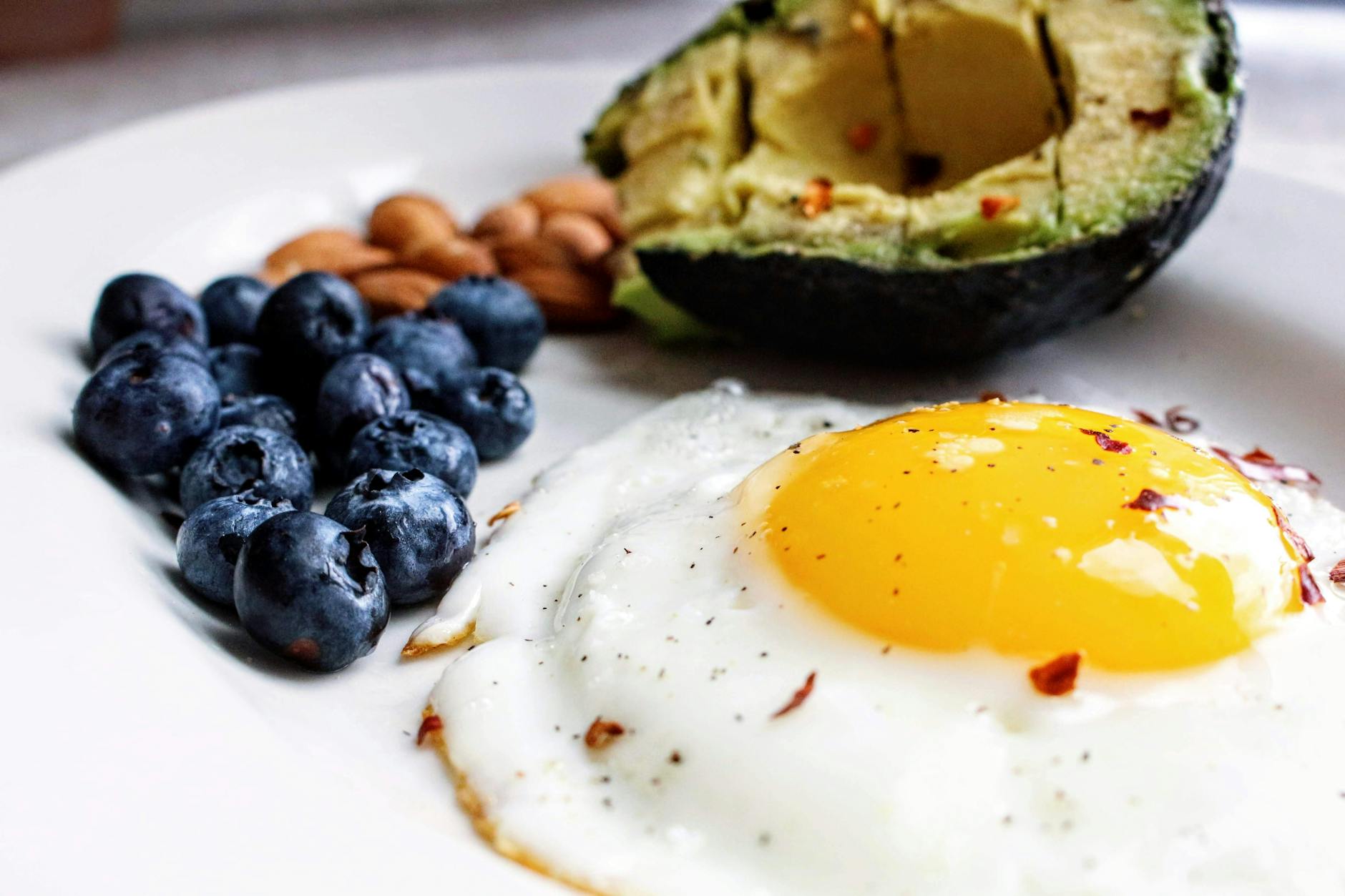
A nutritious breakfast featuring a fried egg, avocado, blueberries, and almonds.

Protein is a building block for muscles, enzymes, and hormones. Knowing how much you need helps you meet goals without excess. The amount varies by age, activity level, and health status. Below we break down the main factors and give practical numbers you can use.

Basic Recommendations for the General Population

The Dietary Reference Intake (DRI) suggests 0.8 grams of protein per kilogram of body weight for most adults. This translates to about 56 grams per day for a 70‑kg (154‑lb) man and 46 grams for a 57‑kg (125‑lb) woman. These values cover basic maintenance needs.

For people who are sedentary, staying near the DRI is usually sufficient. Eating a balanced diet with lean meats, dairy, beans, and nuts can easily meet this target.

Adjusting for Activity and Fitness Goals

Exercise increases protein demand. Strength training, high‑intensity interval training, and endurance sports all cause muscle breakdown that needs repair.

Most experts recommend 1.2–2.0 grams per kilogram for active individuals. A 70‑kg person who lifts weights three times a week might aim for 84–140 grams daily. Endurance athletes often stay at the lower end of this range, while bodybuilders may target the higher end.

Spread protein intake throughout the day. Consuming 20–30 grams every 3–4 hours maximizes muscle protein synthesis.

Special Considerations: Age, Health, and Diet Type

Older adults lose muscle mass faster. Research suggests 1.0–1.2 grams per kilogram can help preserve strength and function. A 68‑kg senior might need 68–82 grams each day.

People with kidney disease or certain metabolic conditions should follow medical advice, as high protein can strain the kidneys.

Vegetarians and vegans can meet needs with plant proteins. Combine legumes, grains, nuts, and soy to get all essential amino acids. Aim for the same gram range as omnivores, but consider slightly higher amounts because plant proteins are less bioavailable.

Practical Tips to Reach Your Target

Plan meals around protein sources. A typical breakfast could include Greek yogurt (15 g) and a boiled egg (6 g). Lunch might feature grilled chicken breast (30 g) with quinoa (8 g). Dinner could be salmon (25 g) with roasted vegetables.

Snacks are useful for hitting daily goals. A handful of almonds (6 g) or a protein shake (20 g) can fill gaps.

Read nutrition labels. Look for the “protein per serving” line and calculate how many servings you need.

Track intake with a simple app or spreadsheet. Seeing numbers helps you adjust portions quickly.

When More Isn’t Better

Excess protein does not automatically build more muscle. The body converts surplus protein to energy or stores it as fat. Very high intakes (above 2.5 g/kg) offer no extra benefit for most people and may stress kidneys over time.

Balance protein with carbohydrates and fats. Carbs fuel workouts, while fats support hormone production. A well‑rounded diet promotes overall health.

In summary, calculate your baseline using 0.8 g/kg, then adjust for activity, age, and dietary preferences. Aim for consistent, evenly spaced protein throughout the day, and monitor your intake with simple tools. This approach ensures you get enough protein to support your body without overdoing it.

Related reading

AI disclosure: this article was automatically drafted with AI assistance and reviewed before publishing. Written with AI assistance: openai/gpt-oss-120b. It is general information, not professional medical, financial or legal advice.

Wednesday, August 14, 2024

Top 10 Superfoods to Strengthen Your Immune System

Vibrant plate of assorted fruits including berries, kiwi, and mango, perfect for healthy eating.

Keeping your immune system strong is a daily goal for many people. While vaccines and hygiene matter, the foods you eat also play a vital role. Certain nutrient‑dense foods provide vitamins, minerals, antioxidants, and other compounds that help immune cells work efficiently. Below are ten superfoods that research shows can support immune health when included in a balanced diet.

1. Citrus Fruits

Oranges, grapefruits, lemons, and limes are rich in vitamin C, a well‑known antioxidant. Vitamin C helps protect cells from oxidative stress and supports the production of white blood cells. Eating a whole fruit or drinking fresh juice provides fiber and additional phytonutrients that aid digestion.

2. Berries

Blueberries, strawberries, raspberries, and blackberries contain flavonoids such as anthocyanins. These compounds reduce inflammation and protect immune cells from damage. Berries also supply vitamin C, fiber, and manganese, making them a versatile snack or breakfast topping.

3. Leafy Greens

Spinach, kale, Swiss chard, and collard greens are loaded with vitamins A, C, and K, as well as folate and iron. Vitamin A supports the integrity of skin and mucosal barriers, the first line of defense against pathogens. The iron in greens helps transport oxygen to immune cells, enhancing their activity.

4. Garlic

Garlic contains allicin, a sulfur compound that exhibits antimicrobial properties. Regular consumption of raw or lightly cooked garlic may stimulate immune cell activity and reduce the severity of common colds. Adding garlic to soups, stir‑fries, or marinades is an easy way to reap its benefits.

5. Ginger

Ginger’s gingerol and shogaol compounds have anti‑inflammatory and antioxidant effects. Studies suggest ginger can modulate immune responses and soothe respiratory discomfort. Fresh ginger works well in teas, smoothies, or as a spice in savory dishes.

6. Yogurt and Fermented Foods

Live‑culture yogurt, kefir, kimchi, and sauerkraut provide probiotics—beneficial bacteria that support gut health. A healthy gut microbiome trains the immune system to respond appropriately to threats. Choose plain yogurt with no added sugars and fermented vegetables that are naturally fermented.

7. Nuts and Seeds

Almonds, walnuts, sunflower seeds, and pumpkin seeds are good sources of vitamin E, zinc, and healthy fats. Vitamin E protects cell membranes from oxidative damage, while zinc is essential for the development and communication of immune cells. A handful of mixed nuts makes a satisfying snack.

8. Fatty Fish

Salmon, mackerel, sardines, and trout contain omega‑3 fatty acids EPA and DHA. These fats help regulate inflammation and support the function of immune cells. Aim for two servings per week, grilled, baked, or added to salads.

9. Turmeric

Curcumin, the active ingredient in turmeric, has strong anti‑inflammatory and antioxidant properties. When paired with black pepper, curcumin’s absorption improves dramatically. Add turmeric to soups, curries, or golden milk for a gentle immune boost.

10. Green Tea

Green tea provides catechins, especially epigallocatechin gallate (EGCG), which help protect immune cells from oxidative stress. The modest caffeine content also supports alertness without causing jitteriness. Drinking two to three cups daily can be a soothing habit.

Incorporating these ten superfoods does not require drastic changes. Simple swaps—like adding berries to oatmeal, using garlic in sauces, or sipping green tea instead of soda—can gradually improve nutrient intake. Remember that variety matters; rotating different foods ensures you receive a broad spectrum of vitamins, minerals, and phytochemicals.

While no single food can guarantee immunity, a diet rich in these nutrient‑dense options supports the body’s natural defenses. Pair these foods with adequate sleep, regular physical activity, and stress‑management techniques for the best overall results.

Related reading

AI disclosure: this article was researched and written with AI assistance and reviewed before publishing. It is general information, not professional medical, financial or legal advice.