
A busy week often feels like a series of urgent demands. You wake up, check your phone, and immediately start reacting to external pressures. By Friday, you feel exhausted and behind on your goals. Building a routine that survives this chaos requires a shift in perspective. You must stop trying to do everything and start focusing on the essential few.
Define Your Non-Negotiable Anchors
A sustainable routine relies on anchors. These are small, consistent actions that happen regardless of your workload. Choose two or three tasks that provide the most value to your day. This might be a ten-minute morning walk, a set time to review your calendar, or a specific way to close your laptop at night. These anchors act as a baseline. When the rest of your schedule shifts, these habits keep you grounded.
Keep your anchors simple. If they require too much energy, you will skip them during a stressful week. A good anchor takes less than fifteen minutes. It should not require complex preparation. Focus on consistency rather than intensity. Once these habits feel automatic, you can add more. If you miss a day, do not worry. Just return to the routine the next morning. The goal is to maintain the structure, not to achieve perfection.
Batch Tasks to Reduce Cognitive Load
Decision fatigue drains your mental energy. You make hundreds of choices every day. Each choice consumes a small amount of willpower. By the end of a busy week, your ability to focus declines. Batching similar tasks helps you save this energy. Group your emails, administrative work, or phone calls into specific blocks. Instead of checking your inbox every hour, check it three times a day.
Use your calendar to protect these blocks. Treat them like important meetings with yourself. When you work on one type of task, you stay in a single mental lane. This reduces the time lost to switching between different types of work. You will find that you finish tasks faster when you do not jump around. Keep your tools organized so you can start immediately. Clear your desk of distractions before you begin a batch session.
Plan for Flexibility and Recovery
Rigid schedules often break under pressure. If you plan every minute of your day, one unexpected meeting ruins your entire plan. Build flexibility into your routine by leaving white space. Schedule thirty minutes of buffer time in the morning and the afternoon. Use this time to handle urgent requests or to catch up on unfinished work. If your day goes smoothly, use this time to rest or prepare for the next day.
Recovery is a vital part of a busy routine. You cannot perform at a high level without downtime. Schedule your breaks as carefully as you schedule your meetings. Step away from your screen for five minutes every hour. Eat a real lunch away from your desk. These small pauses prevent burnout. They allow your brain to reset and process information. When you return to your work, you will have more clarity and energy.
Review and Adjust Your System
Your routine should evolve as your needs change. What works in a quiet week might fail during a busy one. Take ten minutes every Sunday to review your progress. Look at what went well and what caused stress. Did you have enough time for your priorities? Did you feel overwhelmed by specific tasks? Use this information to tweak your approach for the coming week.
Be honest about your capacity. Do not add more tasks just because you have an empty slot. Protect your time for deep work and rest. If you find yourself consistently behind, look for tasks to delegate or remove. A routine is a tool, not a cage. It exists to serve your goals, not to dictate your life. Keep refining your system until it feels natural. With time, you will build a routine that supports your work and your well-being through even the busiest weeks.
Related reading
 How to Build a Morning Routine That Actually Sticks
 Practical Steps to Build a Consistent Daily Walking Habit
AI disclosure: this article was automatically drafted with AI assistance and reviewed before publishing. Written with AI assistance: gemini-3.1-flash-lite. It is general information, not professional medical, financial or legal advice.

 Practical Strategies for Returning to Sleep at Night
 Calm Evenings: Screen-Free Ways to Unwind After Dark
 Practical Ways to Ease Back Pain While Working at a Desk
 How to Keep Your Eyes Healthy When Using Screens
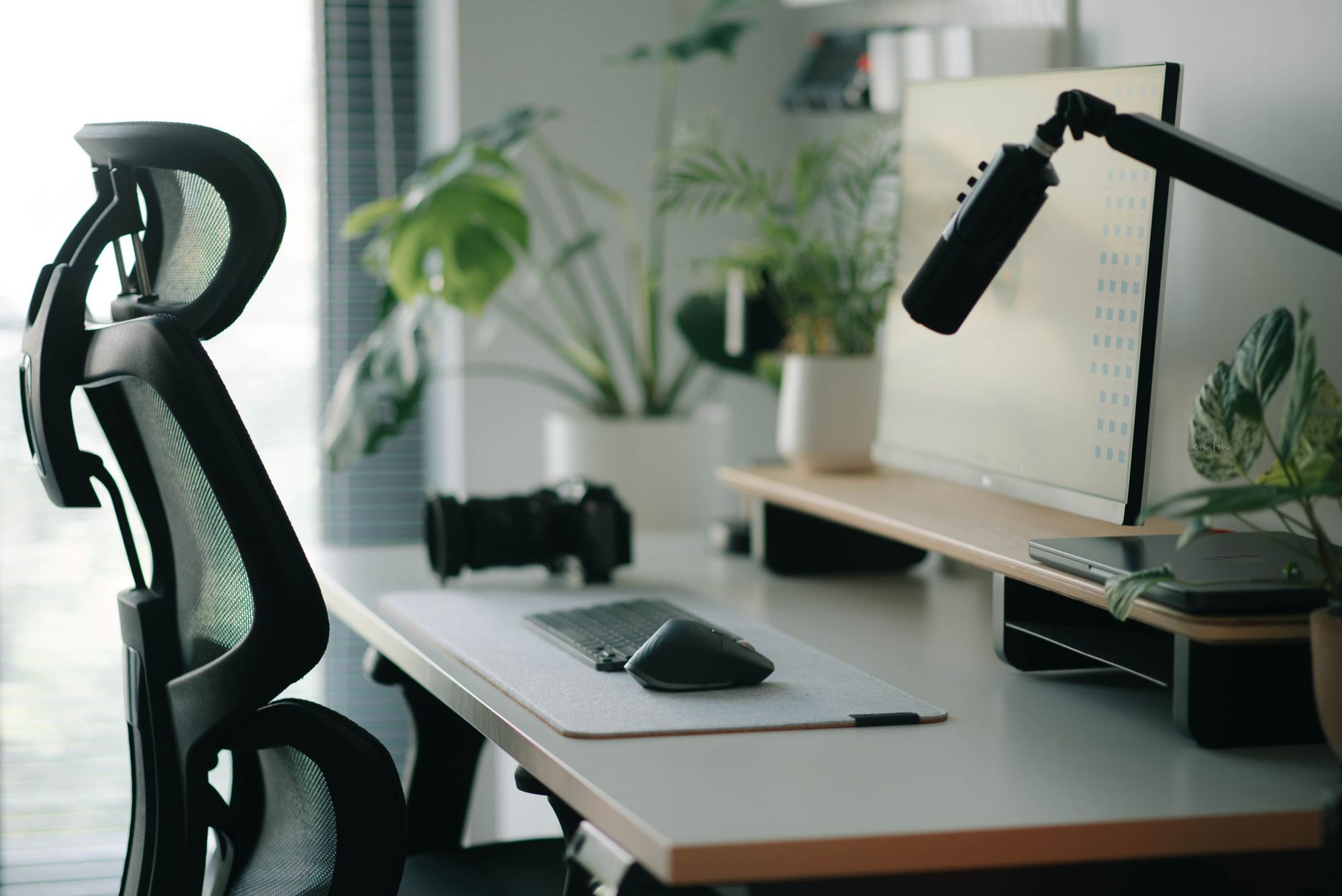 A Practical Guide to Setting Up Your Desk for Comfort
 Everyday Standing Habits to Improve Your Posture Naturally
 Simple Breathing Techniques for a Productive Workday
 A Practical Guide to Setting Sustainable Fitness Goals
 A Simple 5‑Minute Stretch to Keep Your Body Flexible Daily
 Simple Desk Stretches to Relieve Shoulder Stiffness
 How to Build a Consistent Morning Routine That Sticks
 How to Build a Consistent Bedtime Routine for Better Sleep
 Balanced Breakfast Habits That Suit Most People
 Effective Warm-Up Routines for Walking and Running
 Creating a Calm Bedtime Routine for Kids
 Simple Stretching Routines for Desk‑Bound Workers
 Simple Strategies to Increase Your Daily Water Intake
 Practical Ways to Improve Your Daily Water Intake
 Practical Strategies for Keeping Healthy Snacks Accessible
 Practical Methods to Increase Vegetable Intake Daily


