Showing posts with label nutrition. Show all posts

Friday, November 13, 2026

Practical Strategies for Preparing a Quick Daily Lunch

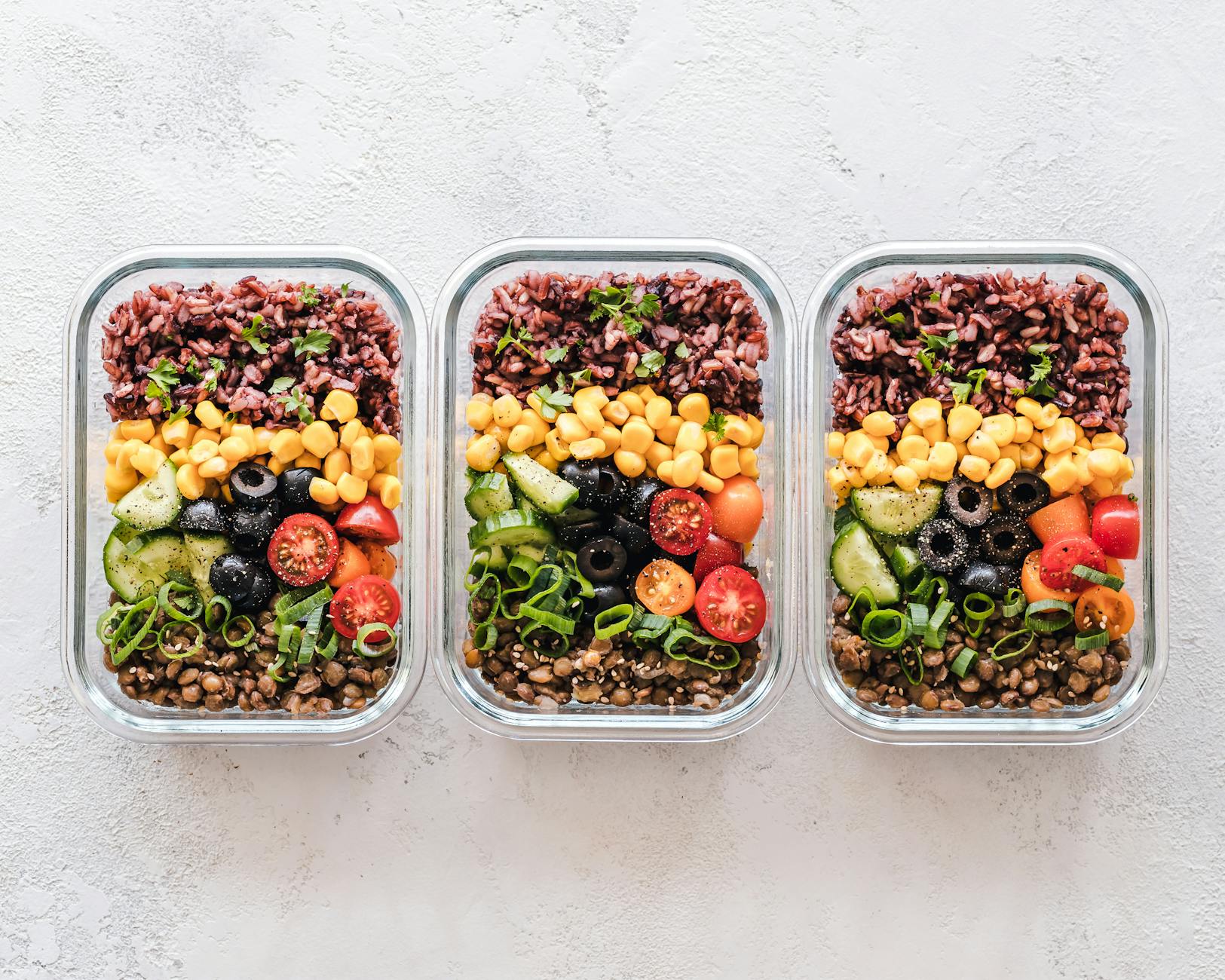
Colorful lunchboxes featuring sandwiches, vegetables, and snacks for healthy eating.

Many people struggle to eat a nutritious lunch during a busy workday. You might skip meals or rely on expensive takeout options. These habits often lead to afternoon fatigue and unnecessary spending. Preparing a quick lunch requires a shift in your daily routine. You do not need to spend hours in the kitchen to enjoy a satisfying meal. Focus on simple ingredients and efficient assembly methods instead.

Master the Art of Batch Preparation

Batch preparation saves significant time during the work week. Dedicate one hour on Sunday to wash and chop your vegetables. Store these items in clear containers in your refrigerator. You can also cook a large batch of grains like quinoa or brown rice. These staples serve as the foundation for many different lunch combinations. When you have pre-cooked components, assembly takes only minutes. This approach removes the mental burden of deciding what to eat each morning. You simply combine your prepped items into a bowl or container. Consistency is the key to maintaining this habit over time.

Focus on Simple Flavor Profiles

Complex recipes often discourage people from cooking at home. Stick to simple flavor profiles that require minimal seasoning. A basic vinaigrette made of olive oil and vinegar works for almost any salad. Keep a variety of dried herbs and spices in your pantry. These additions change the character of a meal without extra effort. Consider using canned beans or chickpeas for quick protein sources. Rinse them well before adding them to your lunch container. You can also use leftover protein from your dinner the night before. Grilled chicken or roasted tofu works perfectly in cold wraps or grain bowls. Keep your ingredient list short to reduce your shopping time. Fewer ingredients mean less cleanup and faster preparation.

Optimize Your Storage and Tools

The right equipment makes lunch preparation much easier. Invest in high-quality, leak-proof containers that stack well in your fridge. Glass containers are durable and do not retain odors from previous meals. Keep a dedicated set of utensils at your desk to avoid searching for them. If you work in an office, ensure you have access to a microwave or a toaster oven. If not, focus on meals that taste good at room temperature. Cold pasta salads, hearty grain bowls, and wraps are excellent options. Organize your refrigerator so that lunch ingredients are easy to see. When you see fresh produce, you are more likely to use it. Place your prepped containers at eye level to remind yourself of your plan.

Build a Flexible Lunch Template

A flexible template helps you create variety without constant planning. Start with a base of greens or grains. Add a source of protein like eggs, beans, or lean meat. Include a healthy fat such as avocado, nuts, or seeds. Finally, add a crunchy element like carrots or cucumbers for texture. This formula ensures your lunch is balanced and filling. You can swap ingredients based on what is in season. If you get bored, change the dressing or the spice blend. This method prevents the monotony that often leads to ordering takeout. Keep a list of three or four favorite combinations on your phone. Refer to this list when you feel uninspired or rushed. Small, consistent actions lead to better eating habits over time. Start with one or two days of preparation and increase as you get comfortable. You will soon find that a quick lunch is a manageable part of your daily routine.

Related reading
AI disclosure: this article was automatically drafted with AI assistance and reviewed before publishing. Written with AI assistance: gemini-3.1-flash-lite. It is general information, not professional medical, financial or legal advice.

Tuesday, November 10, 2026

Practical Ways to Improve the Taste of Your Daily Water

Two lemon water glasses on a sunlit concrete surface by a pool, perfect for summer vibes.

Many people struggle to drink enough water because they find the taste boring or flat. Water lacks the flavor profiles found in coffee, tea, or soda. However, you can easily adjust the flavor of your water to make it more enjoyable. These simple methods help you stay hydrated without relying on sugary drinks.

Infuse Water with Fresh Ingredients

Infusing water with fresh produce is a popular way to add subtle flavor. You can use fruits, vegetables, and herbs to create custom blends. Slice strawberries, cucumbers, or lemons and place them in a pitcher of cold water. Let the mixture sit in the refrigerator for at least two hours. This allows the flavors to seep into the liquid. Citrus fruits like oranges and limes provide a sharp, refreshing taste. Berries add a hint of natural sweetness. Herbs such as mint, basil, or rosemary offer a crisp, earthy finish. You can experiment with different combinations to find your favorite profile. Always wash your produce thoroughly before adding it to your water. Replace the fruit every twenty-four hours to maintain the best flavor.

Use Natural Flavor Enhancers

If you prefer a stronger taste, consider using natural liquid enhancers. Many brands offer drops made from real fruit extracts without added sugar. A few drops can transform a plain glass of water into a flavorful beverage. You can also use a splash of pure cranberry or pomegranate juice. These juices are potent, so you only need a small amount. Another option is to brew herbal tea and chill it. Hibiscus, peppermint, and chamomile teas provide distinct flavors without caffeine. You can brew a large batch and keep it in the fridge for easy access. Avoid products that contain artificial sweeteners or high-fructose corn syrup. Stick to ingredients that provide flavor through natural oils and essences.

Adjust Temperature and Carbonation

Sometimes the issue is not the flavor, but the texture or temperature of the water. Many people find room-temperature water unappealing. If you dislike flat water, try adding ice cubes to make it colder. Cold water often feels more refreshing and crisp on the palate. Alternatively, some people prefer warm water with a slice of lemon. This can be soothing, especially during colder months. If you miss the fizz of soda, consider using a carbonation machine. Sparkling water provides a different mouthfeel that many find more satisfying. You can add a squeeze of lime or a few frozen berries to your sparkling water. The bubbles change how your tongue perceives the flavor. Experimenting with temperature and carbonation can make a significant difference in your daily habits.

Optimize Your Water Quality

The source of your water can affect its taste. Tap water often contains minerals or chlorine that alter the flavor profile. If your tap water tastes metallic or chemical, a filtration system can help. Pitcher filters, faucet attachments, and under-sink systems remove many impurities. These filters reduce chlorine and sediment, resulting in a cleaner, more neutral taste. You might find that filtered water is much easier to drink plain. If you prefer bottled water, look for brands that use spring water or purified water. Different brands have varying mineral contents, which changes the taste. You can test a few different types to see which one you prefer. Sometimes, simply changing the container makes a difference. Glass or stainless steel bottles do not leach flavors into the water like some plastic containers. A clean, high-quality bottle ensures that your water stays fresh throughout the day. By focusing on the quality of the water itself, you may find that you no longer need to add extra flavors. Small changes to your routine can make hydration a more pleasant part of your day.

Related reading

AI disclosure: this article was automatically drafted with AI assistance and reviewed before publishing. Written with AI assistance: gemini-3.1-flash-lite. It is general information, not professional medical, financial or legal advice.

Saturday, October 31, 2026

Practical Tips for Keeping a Food Diary Without Overthinking It

A cozy morning scene featuring a bowl of granola, coffee, and an open book on soft fabrics.

Keeping a food diary can help you notice patterns, improve nutrition, and reach health goals. Yet many people feel trapped by the process, fearing that every bite must be recorded perfectly. This article offers realistic strategies to track meals without turning the habit into an obsession.

Choose a Simple Recording Method

Start with a tool that feels natural. A paper notebook, a phone note, or a basic app can work. Avoid apps that demand calorie counts, macro breakdowns, or photo uploads if those features stress you. The goal is to capture the essentials: what you ate, when, and how you felt.

Set a limit on detail. Write "sandwich, turkey, lettuce, whole‑grain bread" instead of listing every ingredient. If you drink coffee, note "coffee with milk" rather than measuring each ounce. This reduces the time spent on each entry and keeps the focus on overall trends.

Establish a Consistent, Low‑Pressure Routine

Pick a time that fits your daily flow. Many people find it easiest to log meals right after eating, while the memory is fresh. Others prefer a quick end‑of‑day review. Choose one approach and stick to it for a week, then adjust if needed.

Limit entries to three per day: breakfast, lunch, and dinner. Snacks can be added only when they feel significant, such as a large portion or a new food you want to remember. This prevents the diary from becoming a constant task.

Focus on Patterns, Not Perfection

After a week, glance at your entries. Look for recurring meals, times when you feel energized, or moments of overeating. You do not need to calculate exact nutrients; noticing that you feel sluggish after a heavy dinner is enough insight.

If you miss a day, do not restart the whole process. Simply resume tomorrow. One missed entry does not erase the value of the rest of the data. Treat the diary as a guide, not a judge.

Use Gentle Reminders and Positive Language

Set a soft reminder on your phone, such as a calm alarm at lunch and dinner. Avoid harsh alerts that sound like a task manager. When you write, use neutral or positive words: "had a satisfying salad" instead of "only ate a salad".

Celebrate small wins. If you notice you chose a fruit instead of a sugary snack, note the choice without self‑criticism. Positive reinforcement keeps the habit enjoyable.

Integrate the Diary Into Your Lifestyle

Link the diary to an existing habit. For example, write your entry while you brush your teeth at night or while you sip tea in the morning. This pairing makes the action automatic and reduces mental load.

Share insights with a friend or family member if you feel comfortable. A brief conversation about what you learned can reinforce accountability without turning the diary into a public performance.

Remember that the purpose of a food diary is to inform, not to control. By keeping entries brief, setting realistic limits, and focusing on overall patterns, you can gain useful awareness without becoming fixated on every morsel. Over time, the habit becomes a gentle check‑in rather than a demanding task, supporting healthier choices while preserving mental peace.

Related reading

AI disclosure: this article was automatically drafted with AI assistance and reviewed before publishing. Written with AI assistance: openai/gpt-oss-120b. It is general information, not professional medical, financial or legal advice.

Monday, October 19, 2026

Practical Ways to Improve Your Daily Water Intake

Aesthetic arrangement of kumquats and a peach beside a water glass on a table.

Many people struggle to drink enough water because they find the taste plain or boring. Hydration remains essential for your body to function well throughout the day. If you dislike the neutral flavor of tap or filtered water, you can easily adjust your routine. Small changes to your habits often make a significant difference in your total intake.

Enhance Flavor with Natural Ingredients

Infusing water with fresh ingredients provides a subtle flavor without adding sugar or artificial additives. Start by slicing fresh fruits like lemons, limes, or oranges. Place these slices in a pitcher and let them sit in the refrigerator for at least an hour. The oils from the fruit peels release a bright, citrus scent and taste. You might also try berries, such as strawberries or raspberries, for a softer sweetness. Cucumber slices offer a crisp, spa-like quality that many people find refreshing. Fresh herbs like mint, basil, or rosemary add an earthy complexity to your drink. Experiment with different combinations to find a profile you enjoy. Always wash your produce thoroughly before adding it to your water. Replace the fruit every twenty-four hours to maintain the best flavor.

Utilize Temperature and Carbonation

Sometimes the issue is not the flavor but the texture or temperature of the water. Some people prefer ice-cold water, while others find room temperature easier to consume. Test both extremes to see which one feels more pleasant to you. If you enjoy the sensation of bubbles, consider switching to sparkling water. Carbonated water provides a sharp, crisp mouthfeel that mimics the experience of drinking soda. You can buy plain sparkling water in bulk or use a home carbonation machine. Add a splash of fruit juice or a squeeze of lime to enhance the experience further. If you find plain water too heavy, try drinking it through a straw. Many people report that they consume more liquid when using a straw compared to drinking directly from a glass. Keep a reusable bottle nearby to make sipping a subconscious habit during your workday.

Establish a Consistent Hydration Routine

Building a habit requires consistency and visual cues. Place a large water bottle on your desk or in your bag as a constant reminder. If you struggle to remember to drink, set a recurring alarm on your phone every hour. Drink a full glass of water immediately after waking up to start your day. This simple act helps you meet your goals before your busy schedule begins. You can also pair your water intake with other daily activities. For example, drink a glass of water before every meal or after every coffee break. Tracking your progress can also provide motivation. Use a simple chart or a mobile app to log your daily intake. Seeing your progress over a week often encourages you to maintain the effort. If you find yourself bored with plain water, rotate your infusion ingredients throughout the week. Variety prevents flavor fatigue and keeps the process interesting. Focus on small, incremental improvements rather than trying to change your habits overnight. Over time, these adjustments will make hydration a natural part of your daily life.

Consider Alternative Hydration Sources

If you still find plain water difficult to consume, look for other ways to increase your fluid intake. Many fruits and vegetables contain high water content. Watermelon, strawberries, cantaloupe, and peaches are excellent choices during the warmer months. Cucumbers, celery, lettuce, and zucchini also contribute to your total daily fluid levels. Incorporating these foods into your meals helps you stay hydrated without needing to drink large volumes of plain water. Herbal teas are another effective option. You can drink them hot or cold depending on your preference. Choose caffeine-free varieties like peppermint, chamomile, or hibiscus to enjoy throughout the day. These teas offer a wide range of flavors and aromas that make hydration more enjoyable. Avoid adding excessive sweeteners to keep your intake healthy. By combining these strategies, you can easily meet your hydration needs without feeling forced. Focus on finding methods that fit your personal taste and lifestyle. Consistency matters more than perfection when building new habits.

Related reading

AI disclosure: this article was automatically drafted with AI assistance and reviewed before publishing. Written with AI assistance: gemini-3.1-flash-lite. It is general information, not professional medical, financial or legal advice.

Sunday, October 18, 2026

How to Distinguish Between Physical Hunger and Habit

Two hands holding a chocolate bar and a granola bar, showcasing a snack choice concept.

Many people eat without thinking. You might reach for a snack while watching television or during a stressful work meeting. This behavior often stems from habit rather than a true need for fuel. Learning to identify physical hunger helps you make better choices for your body. It allows you to distinguish between a biological signal and a learned routine.

Understanding Physical Hunger Signals

Physical hunger develops gradually. It usually arrives several hours after your last meal. You might feel a hollow sensation in your stomach. Some people experience a slight drop in energy or a growl in their belly. These signals are your body’s way of asking for nutrients. When you are truly hungry, most foods sound appealing. You are likely to feel satisfied after eating a balanced meal. The sensation disappears once you provide your body with fuel.

Physical hunger does not demand a specific item. You do not crave a particular brand of chips or a sugary treat. Instead, you seek sustenance. If you would be happy eating a piece of fruit or a bowl of vegetables, you are likely experiencing genuine hunger. Pay attention to these subtle cues throughout the day. They provide the most accurate information about your internal state.

Identifying Habitual Eating Patterns

Habitual eating often appears suddenly. It is usually triggered by external factors rather than internal needs. You might eat because the clock shows noon or because you see a box of cookies on the counter. This type of hunger feels urgent. It often centers on a specific food item. You might crave something salty, crunchy, or sweet. This is a strong indicator that your brain is seeking a reward rather than energy.

Emotional states also drive habitual eating. Stress, boredom, or sadness can trigger a desire to eat. You might find yourself in the kitchen when you feel overwhelmed. In these moments, you are not looking for fuel. You are looking for comfort or a distraction. If you find yourself eating while distracted, you are likely following a habit. You might finish an entire bag of snacks without noticing the taste. This lack of awareness is a hallmark of habitual behavior.

The Role of Mindful Observation

The best way to tell the difference is to pause. When you feel the urge to eat, stop for a moment. Ask yourself if you are truly hungry. Rate your hunger on a scale from one to ten. If you are at a three or lower, you might need a meal. If you are at a seven or higher, you are likely eating for another reason. This simple pause creates space between the impulse and the action.

Drink a glass of water first. Sometimes, the body confuses thirst with hunger. Wait ten minutes after drinking. If the urge to eat fades, you were likely just thirsty. If the urge remains, consider what you want to eat. If you only want a specific treat, it is likely a habit. If you are willing to eat a nutritious meal, it is likely physical hunger. This test is a reliable tool for daily practice.

Building New Patterns

You can change your eating habits over time. Start by removing common triggers from your environment. If you always eat while watching television, try eating at the table instead. This change breaks the association between the screen and the snack. Focus on the texture and flavor of your food. Eating slowly helps you recognize when you are full. It also makes the experience more satisfying.

Plan your meals in advance to avoid impulsive choices. When you have healthy options ready, you are less likely to rely on habits. Keep a journal for a few days to track your eating patterns. Note the time, the food, and your mood. You will likely see clear trends emerge. You might notice that you eat out of boredom every afternoon at three o'clock. Once you identify the pattern, you can replace it with a new activity. Take a short walk or drink a cup of tea instead.

Be patient with yourself during this process. Habits take time to form and even longer to break. Do not aim for perfection. Focus on becoming more aware of your body. Every time you choose to pause, you strengthen your ability to listen to your needs. Over time, you will find it easier to distinguish between the two. You will eat when you need fuel and find other ways to manage your emotions. This shift leads to a more balanced relationship with food.

Related reading

AI disclosure: this article was automatically drafted with AI assistance and reviewed before publishing. Written with AI assistance: gemini-3.1-flash-lite. It is general information, not professional medical, financial or legal advice.

Practical Strategies for Keeping Healthy Snacks Accessible

Colorful bowls filled with fresh bananas, apples, and lemons on a rustic kitchen counter.

Modern life often moves at a rapid pace. Many people find themselves reaching for convenient, processed foods when hunger strikes. This habit frequently stems from a lack of better options within immediate reach. By strategically placing nutritious snacks in your environment, you can shift your eating patterns toward more balanced choices. This approach relies on the principle of least resistance. When healthy food is the easiest option, you are more likely to consume it.

Optimize Your Kitchen Environment

The layout of your kitchen influences your daily food choices. Start by clearing your countertops of processed snacks. Replace these items with whole foods that require little to no preparation. A bowl of apples, oranges, or bananas serves as a visual reminder to choose fruit. Keep these items in plain sight rather than tucked away in opaque containers. Transparency encourages consumption.

Organize your refrigerator to prioritize nutrient-dense foods. Place washed berries, sliced vegetables, and yogurt at eye level. Use clear glass containers so you can see the contents immediately upon opening the door. When you hide healthy items in the crisper drawer, you often forget they exist. Move less nutritious items to lower shelves or opaque bins. This simple change forces you to pause before choosing a less ideal snack.

Prepare Snacks in Advance

Preparation is the foundation of consistent healthy snacking. Dedicate a small amount of time each week to portioning out your food. Wash and chop vegetables like carrots, celery, and bell peppers as soon as you return from the store. Store these in individual containers for quick access. This removes the barrier of washing and cutting when you feel hungry.

Consider creating snack packs that combine different food groups. A small container with nuts and dried fruit provides a mix of healthy fats and natural sugars. Hard-boiled eggs offer a portable source of protein. Keep these pre-portioned snacks in a dedicated section of your fridge. When you are busy, you can grab a container and continue with your day. This eliminates the need to search for ingredients or prepare food from scratch during a hectic afternoon.

Strategic Placement Beyond the Kitchen

Your workspace often becomes a hub for snacking. If you work at a desk, keep a stash of non-perishable healthy snacks nearby. Almonds, walnuts, or pumpkin seeds are excellent options for desk drawers. These items provide sustained energy without the need for refrigeration. Avoid keeping large bags of snacks at your desk, as this can lead to mindless eating. Instead, portion out a small amount into a bowl or cup.

If you commute frequently, keep a small bag of shelf-stable snacks in your vehicle or bag. A piece of fruit or a small bag of seeds can prevent a stop at a convenience store. When you have a healthy option on hand, you reduce the likelihood of buying processed items. This strategy requires minimal effort but yields significant results over time. Consistency is more important than perfection in this process.

Maintain Your Snack Supply

A successful snacking strategy requires regular maintenance. Check your supplies twice a week to ensure you have enough fresh items. Create a simple list of your favorite healthy snacks to streamline your grocery shopping. If you run out of fresh produce, rely on pantry staples like canned beans, nut butters, or whole-grain crackers. These items provide a reliable backup when your fresh supply dwindles.

Monitor your snacking habits to see what works best for your lifestyle. Some people prefer savory snacks, while others lean toward sweet options. Adjust your inventory based on your personal preferences. If you find that you rarely eat certain items, replace them with alternatives you enjoy more. The goal is to create a system that supports your health goals without feeling restrictive. By keeping nutritious food visible and ready to eat, you make healthy choices the default behavior in your daily life.

Related reading

AI disclosure: this article was automatically drafted with AI assistance and reviewed before publishing. Written with AI assistance: gemini-3.1-flash-lite. It is general information, not professional medical, financial or legal advice.

How to Build a Balanced Plate for Everyday Meals

A vibrant stack of fresh vegetables artfully plated, served with a gourmet dressing.

Eating a balanced plate helps you get the nutrients your body needs without over‑eating. It is a simple visual guide that works for any cuisine. By dividing your plate into sections, you can see at a glance whether you have enough vegetables, protein, whole grains, and healthy fats.

Fill Half the Plate with Vegetables and Fruit

Start with vegetables and fruit because they provide vitamins, minerals, fiber, and water. Aim for a variety of colors and textures. Dark leafy greens, bright peppers, orange carrots, and juicy berries each bring different nutrients. A good rule of thumb is to fill roughly 50 % of your plate with these foods. If you prefer cooked vegetables, steam, roast, or stir‑fry them with a little oil and herbs for flavor.

Add a Quarter of Lean Protein

Protein supports muscle repair, hormone production, and immune function. Choose lean sources such as chicken breast, turkey, fish, tofu, beans, or lentils. A typical serving is about 3–4 oz cooked, which fits neatly into a quarter‑plate space. Plant‑based proteins also add fiber, which helps you stay full longer. Season protein with spices, citrus, or low‑sodium sauces to keep meals interesting.

Reserve the Remaining Quarter for Whole Grains or Starchy Vegetables

Complex carbohydrates give you steady energy. Pick whole‑grain options like brown rice, quinoa, whole‑wheat pasta, or barley. Starchy vegetables such as sweet potatoes, corn, or peas work as well. Aim for about a quarter of the plate, which translates to roughly half a cup cooked. Whole grains also provide B vitamins and additional fiber.

Include Healthy Fats in Small Amounts

Healthy fats improve nutrient absorption and add satiety. Add a drizzle of olive oil, a handful of nuts, or a slice of avocado. Keep the portion to about one to two teaspoons of oil or a small handful of nuts. These fats contain omega‑3 and omega‑6 fatty acids that support heart health.

Practical Tips for Everyday Use

Use a standard dinner plate as your guide. If you eat out, visualize the plate divisions before you order. Choose dishes that feature a protein, a vegetable side, and a whole‑grain base. When cooking at home, pre‑portion ingredients into containers that match the plate model. This habit reduces guesswork and helps you stay consistent.

Remember that beverages count too. Water, unsweetened tea, or low‑fat milk are good choices. Limit sugary drinks, as they add calories without nutrients. If you need a snack, follow the same principles: pair fruit with a small amount of nut butter or cheese with whole‑grain crackers.

Adjust the plate to fit your personal needs. Athletes may increase protein portions, while older adults might need more calcium‑rich foods. The balanced plate is flexible; it simply reminds you to include a variety of food groups in each meal.

By following these simple steps, you can create meals that are nutritious, satisfying, and easy to prepare. The visual cue of a balanced plate makes healthy eating less about counting calories and more about choosing the right foods in the right amounts.

Related reading

AI disclosure: this article was automatically drafted with AI assistance and reviewed before publishing. Written with AI assistance: openai/gpt-oss-120b. It is general information, not professional medical, financial or legal advice.

How to Decode Salt and Sugar Information on Food Labels

A vibrant display of Tabasco sauce bottle surrounded by fresh chili peppers against a dark backdrop.

Understanding what appears on a food package can feel overwhelming. Two of the most common concerns are salt and sugar. Both affect taste, health, and daily intake goals. By learning how to read the label, you can make smarter choices without guessing.

Where to Find Salt and Sugar on the Label

The Nutrition Facts panel is the first place to look. Salt appears as "Sodium" measured in milligrams (mg). Sugar is listed under "Total Carbohydrate" as "Total Sugars" and sometimes broken down into "Added Sugars." Both numbers are presented per serving, so you must compare them to the serving size.

Below the panel, the ingredient list offers clues about hidden sources. Ingredients are listed in descending order by weight. If "sugar," "high‑fructose corn syrup," "sucrose," or "salt" appear near the top, the product contains a large amount of that component.

Understanding Daily Values and Limits

In the United States, the Daily Value (DV) for sodium is 2,300 mg. For added sugars, the DV is 50 g for a 2,000‑calorie diet. The label shows the percentage of DV (%DV) next to each nutrient. A %DV of 5 % or less is considered low, while 20 % or more is high.

Use these percentages to gauge how a single serving fits into your daily plan. For example, a snack with 300 mg sodium provides about 13 % of the DV, which is moderate. A soda with 40 g of added sugar supplies 80 % of the DV, indicating a high sugar load.

Portion Size Matters

Manufacturers often list a small serving size to keep numbers low. If you eat more than the stated serving, multiply the values accordingly. A granola bar that lists 150 mg sodium per half‑bar becomes 300 mg if you eat the whole bar.

Check the package for a "servings per container" line. This helps you calculate the total amount you will consume. Adjusting portion size can dramatically lower your intake of both salt and sugar.

Tips for Reducing Salt and Sugar Intake

1. Choose products with "no added sugar" or "unsweetened" labels. These often contain only natural sugars from fruit or dairy.

2. Look for "low‑sodium" or "reduced‑sodium" claims. In the U.S., low‑sodium means 140 mg or less per serving, and reduced‑sodium indicates at least a 25 % reduction compared to the regular version.

3. Compare similar items side by side. Two brands of canned beans may have different sodium levels. Selecting the lower‑sodium option saves you up to 400 mg per serving.

4. Use spices, herbs, and citrus instead of salt for flavor. This can cut sodium without sacrificing taste.

5. Read the ingredient list for hidden sugars. Words like "maltodextrin," "fruit juice concentrate," and "evaporated cane juice" all add sugar.

Making the Label Work for You

Take a few seconds to scan the Nutrition Facts panel before you buy. Note the sodium and total sugar numbers, then compare the %DV to your personal goals. If the numbers are high, consider an alternative product or a smaller portion.

Over time, you will develop a sense of what amounts feel reasonable. This skill helps you stay within recommended limits without counting every milligram.

Remember that occasional indulgence is fine. The goal is to keep average daily intake within the recommended ranges. By consistently checking labels, you empower yourself to make choices that support long‑term health.

Related reading

AI disclosure: this article was automatically drafted with AI assistance and reviewed before publishing. Written with AI assistance: openai/gpt-oss-120b. It is general information, not professional medical, financial or legal advice.

How Much Fiber You Need and the Best Food Sources

Close-up of assorted raw grains including buckwheat, rice, and oats, highlighting healthy food choices.

Fiber is a type of carbohydrate that your body cannot digest. It passes through the digestive system, helping to keep things moving and supporting gut health. Knowing how much fiber you need and where to get it can make a big difference in your daily nutrition.

Recommended Daily Intake

Guidelines from health agencies suggest that adult women aim for about 25 grams of fiber per day, while adult men should target around 38 grams. These numbers are based on a 2,000‑calorie diet for women and a 2,500‑calorie diet for men. If you eat fewer calories, you may need slightly less fiber, but most people benefit from staying close to these targets.

Older adults often need less fiber because their calorie needs drop, but they should still aim for at least 21 grams for women and 30 grams for men. Pregnant or breastfeeding women may need a bit more, roughly 28 grams, to support both their own health and that of their baby.

Why Fiber Matters

Fiber helps regulate bowel movements, preventing constipation and promoting regularity. It also feeds beneficial bacteria in the colon, which produce short‑chain fatty acids that support the immune system. Soluble fiber, found in oats and beans, can slow glucose absorption, helping to keep blood sugar levels stable. Insoluble fiber, found in wheat bran and vegetables, adds bulk to stool and speeds up waste removal.

While research links higher fiber intake to lower risk of heart disease and certain cancers, these benefits are observed over long periods and in populations that consistently meet or exceed recommendations. Individual results can vary, and fiber alone does not guarantee health outcomes.

Top Food Sources of Fiber

Below is a list of common foods and the amount of fiber they provide per typical serving. Choose a variety of these items to reach your daily goal.

  • 1 cup cooked lentils – 15.6 g
  • 1 medium apple with skin – 4.4 g
  • 1 cup cooked quinoa – 5.2 g
  • 1 slice whole‑grain bread – 2.0 g
  • 1 cup raw broccoli – 2.4 g
  • 1/2 cup cooked black beans – 7.5 g
  • 1 ounce almonds – 3.5 g
  • 1 cup raspberries – 8.0 g
  • 1 medium sweet potato with skin – 3.8 g
  • 1 cup oatmeal (dry) – 10.0 g

Whole grains, legumes, fruits, vegetables, nuts, and seeds are the richest sources. Processed foods often lose fiber during refining, so choose the least processed options whenever possible.

Tips for Adding More Fiber to Your Diet

Start your day with a bowl of oatmeal topped with berries and a sprinkle of nuts. Swap white rice for brown rice or quinoa at lunch. Add a handful of beans to salads, soups, or tacos. Snack on raw vegetables with hummus instead of chips. When you bake, replace part of the flour with whole‑grain flour or oat bran.

Increase fiber gradually to avoid gas or bloating. Drink plenty of water, as fiber absorbs liquid and moves more easily through the gut. Aim for at least eight glasses of water a day, especially if you add a lot of fiber quickly.

Reading nutrition labels can help you track intake. Look for foods that list at least 3 grams of fiber per serving, which qualifies as a “good source.” If a product claims “high fiber,” it should contain 5 grams or more per serving.

Remember that cooking can change fiber content slightly. Steaming vegetables retains most of their fiber, while boiling may cause some loss into the water. When possible, use cooking methods that preserve the food’s natural structure.

By planning meals that include a mix of soluble and insoluble fiber, you can meet the recommended amounts without feeling overwhelmed. Small, consistent changes add up, and the variety keeps meals interesting.

Monitoring Your Fiber Intake

Keep a simple food diary for a week. Write down each meal and snack, then add up the fiber grams using the nutrition facts on packages or a reliable online database. Compare the total to the recommended amount for your age and sex.

If you consistently fall short, consider a fiber supplement such as psyllium husk. Use supplements only as a short‑term aid, and choose products with minimal added sugars or artificial ingredients.

Overall, meeting your fiber needs is a matter of choosing whole, plant‑based foods regularly. The effort pays off with smoother digestion, better blood‑sugar control, and a healthier gut environment.

Related reading

AI disclosure: this article was automatically drafted with AI assistance and reviewed before publishing. Written with AI assistance: openai/gpt-oss-120b. It is general information, not professional medical, financial or legal advice.

Practical Ways to Cut Back on Sugary Drinks at Home

A cold, refreshing glass of water on a rustic wooden table, with woven baskets in the background.

Many people enjoy sugary drinks without thinking about the hidden calories and health effects. Cutting back can improve energy levels, support weight management, and reduce the risk of chronic conditions. Below are practical steps you can take to lower your intake without feeling deprived.

Identify Your Current Consumption

Start by tracking what you drink for a week. Write down each beverage, its size, and the time you have it. This simple log reveals patterns you might not notice, such as reaching for soda during work breaks or sipping sweet tea after dinner. Knowing the exact amount helps you set realistic goals.

When you review your log, look for the biggest contributors. A large soda, a flavored coffee, or a sports drink can add hundreds of extra calories. Prioritize cutting the items that appear most often.

Replace Sugary Drinks with Healthier Options

Swap soda for sparkling water with a splash of fruit juice. The fizz satisfies cravings while cutting sugar dramatically. You can also infuse plain water with cucumber, mint, or berries for a refreshing taste.

Unsweetened tea and black coffee are excellent alternatives. If you need a hint of sweetness, add a small amount of honey or a natural sweetener, but keep the quantity low. Gradually reducing the sweetener lets your palate adjust.

For those who miss the creamy texture of milkshakes, blend frozen fruit with plain yogurt or a plant‑based milk. This creates a thick, satisfying drink with natural sugars and protein.

Change Your Environment

Keep sugary drinks out of sight. Store them on a high shelf or in a separate cabinet, and place water bottles where you can see them. Visual cues influence choices, and easy access to water encourages you to reach for it first.

When you shop, stick to the perimeter of the grocery store. This area holds fresh produce, dairy, and beverages with fewer additives. Avoid aisles filled with soda, energy drinks, and flavored waters that contain added sugars.

Consider using a reusable bottle with a built‑in infuser. Having a personalized bottle makes drinking water more enjoyable and reduces the temptation to buy a sugary alternative.

Set Small, Achievable Goals

Instead of quitting all sugary drinks at once, aim to reduce by one serving each week. Replace that serving with water or tea. Celebrate each milestone; small successes build confidence for larger changes.

Use a reminder app or set alarms to prompt you to drink water throughout the day. Consistent hydration reduces cravings for sweet flavors because your body often confuses thirst with hunger.

Track progress in a journal or on a habit‑tracking app. Seeing a streak of days without soda can motivate you to keep the streak going.

Mindful Drinking Practices

Pay attention to why you reach for a sugary drink. Is it habit, stress, or a need for a quick energy boost? Address the underlying trigger with alternative actions, such as a short walk, deep breathing, or a snack of nuts and fruit.

Sip slowly and enjoy the flavor. When you drink mindfully, you notice satisfaction earlier, which can reduce the amount you consume.

Finally, be kind to yourself. Slip‑ups happen, and they do not erase progress. Simply return to your plan and continue moving forward.

By tracking intake, swapping drinks, reshaping your environment, setting incremental goals, and practicing mindfulness, you can cut back on sugary beverages effectively. These steps require no special equipment, just a willingness to make small, consistent changes. Over time, you will likely notice more stable energy, fewer cravings, and a healthier relationship with what you drink.

Related reading

AI disclosure: this article was automatically drafted with AI assistance and reviewed before publishing. Written with AI assistance: openai/gpt-oss-120b. It is general information, not professional medical, financial or legal advice.

Balanced Breakfast Habits That Suit Most People

A vibrant Mediterranean breakfast featuring boiled eggs, grilled halloumi, and fresh vegetables on a beautifully patterned plate.

Why Breakfast Matters

Starting the day with food gives the body fuel after a night of fasting. A balanced breakfast can improve focus, mood, and energy levels. It also helps regulate appetite, making it easier to choose healthier options later.

Research shows that people who eat a nutritious morning meal tend to eat less overall. This pattern supports weight management without strict dieting. The key is to include protein, fiber, and healthy fats in each meal.

Core Components of a Good Breakfast

Protein is essential for muscle repair and satiety. Good sources include eggs, Greek yogurt, cottage cheese, tofu, and lean meats. Aim for 15–20 grams of protein each morning.

Fiber slows digestion and keeps blood sugar stable. Whole grains, fruits, and vegetables provide the most fiber. A serving of oatmeal, whole‑grain toast, or a fruit salad works well.

Healthy fats support brain function and keep you feeling full. Nuts, seeds, avocado, and olive oil are easy to add to any breakfast.

Combine these three groups in a simple plate, and you have a foundation that works for most people.

Practical Breakfast Ideas

1. Classic Egg and Veggie Bowl – Scramble two eggs with spinach, tomatoes, and mushrooms. Add a sprinkle of cheese and a side of whole‑grain toast. This dish offers protein, fiber, and healthy fats.

2. Overnight Oats – Mix rolled oats with milk or a plant‑based alternative, Greek yogurt, chia seeds, and berries. Let it sit in the fridge overnight. In the morning, you have a ready‑to‑eat meal rich in fiber and protein.

3. Smoothie Power – Blend a banana, a handful of spinach, protein powder or Greek yogurt, almond butter, and oat milk. The result is a portable breakfast with balanced nutrients.

4. Whole‑Grain Toast with Toppings – Spread avocado on toasted whole‑grain bread, top with sliced boiled egg, and sprinkle with pepper. Add a side of fresh fruit for extra fiber.

5. Cottage Cheese Parfait – Layer cottage cheese with sliced peaches, a drizzle of honey, and a handful of granola. This option provides a high‑protein start with a touch of sweetness.

Tips for Consistency

Plan your meals the night before. Prepare ingredients or assemble containers so you can grab them quickly. Keep breakfast staples stocked: eggs, oats, yogurt, fruit, and nuts.

Limit sugary cereals and pastries. They cause rapid blood‑sugar spikes followed by crashes, which can lead to mid‑morning cravings.

Stay hydrated. A glass of water or herbal tea helps digestion and can improve alertness.

Listen to your body. Some people feel best with a larger meal, while others prefer a light snack. Adjust portions to match your hunger and activity level.

By focusing on protein, fiber, and healthy fats, you can create a breakfast that supports energy, concentration, and overall well‑being. Simple, repeatable meals make it easier to stick with the habit, and the variety keeps it enjoyable.

Related reading

AI disclosure: this article was automatically drafted with AI assistance and reviewed before publishing. Written with AI assistance: openai/gpt-oss-120b. It is general information, not professional medical, financial or legal advice.

Mastering Portion Control Without Using a Kitchen Scale

Close-up of a hand holding sugar cubes stacked on a chocolate bar against a plain background.

Managing food intake often feels like a chore when it requires constant weighing. Many people find that carrying a digital scale is impractical for daily life. Fortunately, you can estimate portion sizes using simple visual cues. Your hands provide a consistent reference point for measuring food groups. This method relies on the fact that your hand size usually scales with your body size. By using these natural tools, you can build balanced meals without extra equipment.

Using Your Hand as a Measuring Tool

The palm of your hand serves as a reliable guide for protein sources. A serving of meat, poultry, or fish should roughly match the size and thickness of your palm. This portion provides a standard amount of protein for most adults. If you choose plant-based proteins like tofu or beans, use the same palm-sized rule. This simple visual check helps you avoid overeating dense protein sources during lunch or dinner.

Vegetables require a more generous approach. Use your closed fist to measure your intake of leafy greens or cooked vegetables. One or two fists of vegetables should fill a significant portion of your plate. These foods provide essential fiber and volume with fewer calories. Prioritizing this amount helps you feel full while supporting your overall nutritional needs. Aim to include at least two fist-sized servings of vegetables in your main meals.

Carbohydrates like rice, pasta, or potatoes often lead to overconsumption. Use your cupped hand to measure these starchy foods. A single cupped handful represents a standard serving size for most meals. This amount provides enough energy for your daily activities without exceeding your needs. If you are highly active, you might adjust this slightly, but the cupped hand remains a solid starting point for portion awareness.

Managing Fats and Dense Foods

Fats are calorie-dense, so small amounts make a big difference. Use your thumb to gauge the right portion for oils, butter, nut butters, or cheese. One thumb-sized portion is generally sufficient for a single serving of these items. Because fats add flavor and satiety, it is easy to accidentally double this amount. Measuring with your thumb keeps your intake in check while still allowing for healthy fat consumption.

Snacks often present the biggest challenge for portion control. Many people eat directly from large bags, which makes tracking volume difficult. Instead, pour your snack into a small bowl or use your hand to measure a single serving. A handful of nuts or seeds is a standard snack portion. By moving the food away from the original container, you gain better control over how much you consume in one sitting.

Developing Mindful Eating Habits

Visual estimation works best when combined with mindful eating practices. Slow down during your meals to allow your brain to register fullness. It takes about twenty minutes for your stomach to signal satisfaction to your brain. If you eat too quickly, you might consume more than your body actually requires. Chew your food thoroughly and pay attention to the textures and flavors on your plate.

The environment where you eat also influences your portion choices. Large plates often make standard portions look small, which can lead to over-serving. Use smaller plates to make your meal look more substantial. This psychological trick helps you feel satisfied with a smaller, more appropriate amount of food. Keep your focus on the meal rather than distractions like television or smartphones.

Consistency is more important than perfect precision. You do not need to measure every single bite to maintain a healthy diet. Use these hand-based guidelines as a general framework for your daily meals. Over time, your eyes will learn to recognize these portions automatically. This habit reduces the mental effort required to eat well and helps you maintain a balanced lifestyle.

If you find yourself still hungry after a meal, start by adding more vegetables. Increasing your fiber intake is a safe way to boost satiety without adding many calories. Avoid restrictive thinking, as it often leads to burnout and inconsistent habits. Focus on the quality of your food choices alongside these portion strategies. By combining simple visual tools with mindful habits, you can manage your nutrition effectively without the need for a scale.

Related reading

AI disclosure: this article was automatically drafted with AI assistance and reviewed before publishing. Written with AI assistance: gemini-3.1-flash-lite. It is general information, not professional medical, financial or legal advice.

Practical Methods to Increase Vegetable Intake Daily

Colorful assortment of fresh broccoli and purple cauliflower at a market. Perfect for healthy food concepts.

Adding more vegetables to your daily diet does not require drastic changes. Small, consistent adjustments often yield the best results. You can integrate produce into your existing routine without spending hours in the kitchen. These methods focus on convenience and flavor to make plants a central part of every meal.

Incorporate Vegetables into Breakfast

Breakfast often lacks plant-based ingredients. You can change this by adding vegetables to your morning eggs. Spinach, diced bell peppers, and onions cook quickly in a skillet. Whisk these into your scrambled eggs or fold them into an omelet. The mild flavor of spinach blends well with eggs. You might also try adding grated zucchini to pancake or waffle batter. The vegetable adds moisture without altering the taste significantly. Smoothies offer another simple path. A handful of kale or frozen cauliflower blends easily with fruit. The fruit masks the taste while you gain extra fiber. Start with small amounts to adjust your palate.

Enhance Lunch and Dinner Staples

Your favorite lunch and dinner dishes provide perfect opportunities for extra vegetables. When you prepare pasta, add finely chopped carrots or mushrooms to the sauce. These vegetables absorb the flavor of the tomato base. You can also replace a portion of the pasta with spiralized zucchini or yellow squash. This reduces the total calorie density while increasing volume. Soups and stews allow for even more creativity. Add frozen peas, corn, or diced green beans to any broth-based soup. These ingredients cook in minutes and add texture to the dish. If you enjoy sandwiches, layer them with cucumber slices, sprouts, or roasted red peppers. These additions provide a satisfying crunch that improves the overall texture of your meal.

Use Vegetables as Primary Components

Sometimes the best way to eat more vegetables is to make them the main event. Roasting is a simple technique that brings out natural sweetness. Toss broccoli florets, cauliflower, or Brussels sprouts in olive oil and salt. Roast them at high heat until the edges turn brown. This method creates a crispy texture that many people enjoy. You can also use large vegetable slices as substitutes for bread or tortillas. Portobello mushroom caps work well as burger buns. Large lettuce leaves serve as excellent wraps for taco fillings or deli meats. These swaps keep your meals light and fresh. Keep pre-cut vegetables in your refrigerator for quick access. When produce is ready to eat, you are more likely to include it in your cooking. Wash and chop celery, carrots, and peppers as soon as you return from the store.

Smart Shopping and Storage Habits

Your success depends on having the right ingredients available. Buy a variety of vegetables in different colors to ensure a range of nutrients. Frozen vegetables are just as nutritious as fresh options. They come pre-chopped, which saves significant preparation time. Keep a bag of frozen mixed vegetables in your freezer for emergencies. You can add these to stir-fries or rice dishes instantly. Store your fresh produce properly to extend its shelf life. Keep leafy greens in a container with a paper towel to absorb excess moisture. Store root vegetables in a cool, dark place away from direct sunlight. If you find that fresh vegetables spoil before you use them, prioritize using the most delicate items first. Plan your meals around the produce that needs to be consumed quickly. This reduces food waste and keeps your kitchen stocked with healthy options. Experiment with different seasonings to keep your meals interesting. Garlic, onion powder, lemon juice, and fresh herbs enhance the natural flavor of almost any vegetable. Do not feel pressured to change your entire diet overnight. Focus on adding one extra serving of vegetables to your plate each day. Over time, these small additions become a natural part of your eating habits. Consistency matters more than perfection when building a sustainable lifestyle.

Related reading

AI disclosure: this article was automatically drafted with AI assistance and reviewed before publishing. Written with AI assistance: gemini-3.1-flash-lite. It is general information, not professional medical, financial or legal advice.

Understanding Food Labels: A Guide to Nutrition Facts

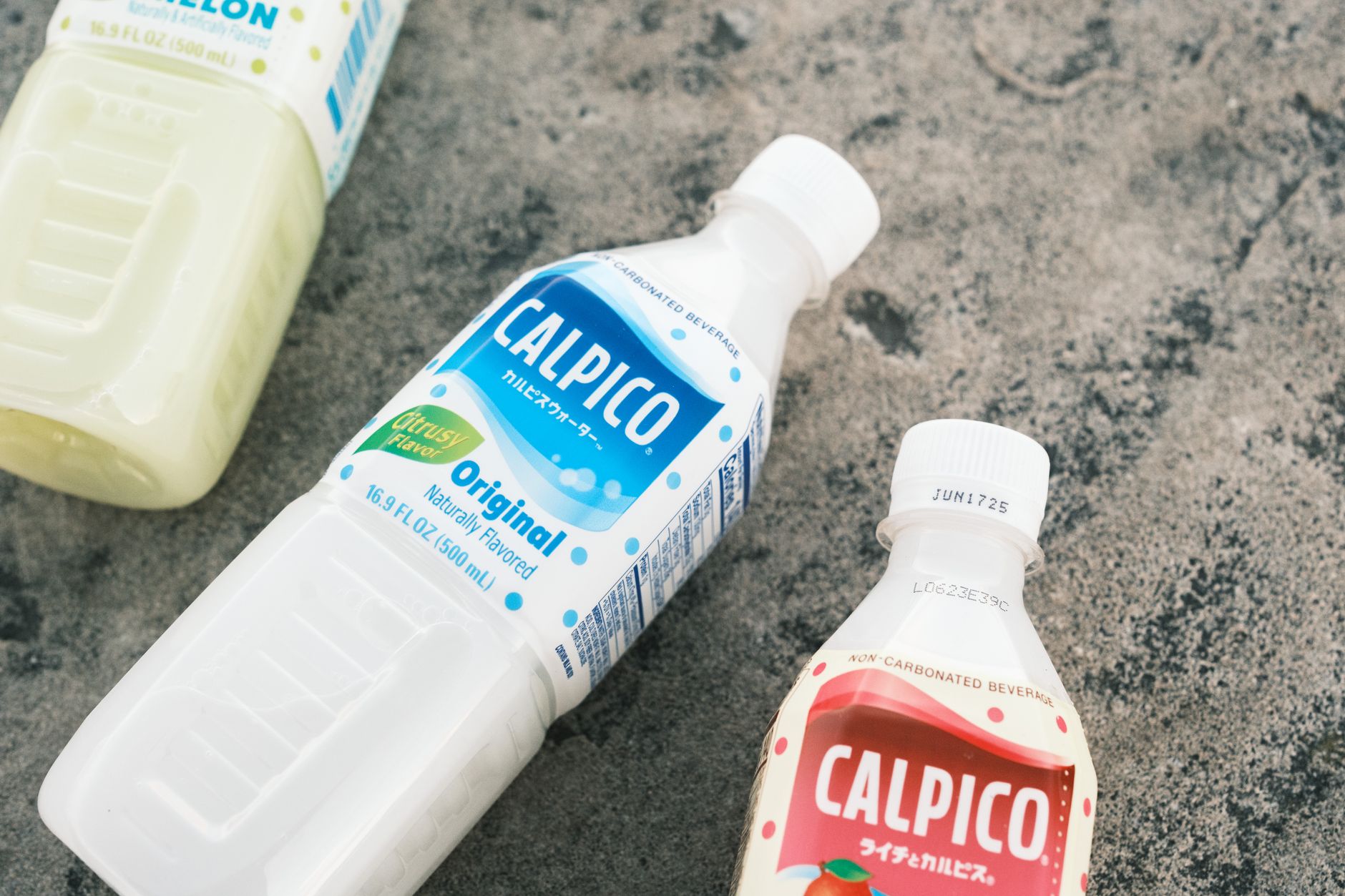
Close-up of Calpico beverage bottles on textured concrete surface.

Grocery stores contain thousands of packaged items. Each package carries a nutrition facts label. These labels provide data about the contents of the food. Learning to read these numbers helps you understand what you consume. You can make informed choices by looking at specific sections of the label.

Serving Size and Servings Per Container

The label starts with the serving size. This is the amount of food that one serving represents. Manufacturers base all other numbers on this specific amount. Check the servings per container next. A package might contain multiple servings. If you eat the whole package, you must multiply the numbers by the total servings. Many people overlook this detail. It changes the total intake of calories and nutrients significantly.

Calories and Daily Value

Calories measure the energy provided by the food. The label lists calories per serving. This number helps you track your energy intake throughout the day. Below the calories, you find the Percent Daily Value (%DV). This percentage shows how much a nutrient in one serving contributes to a total daily diet. The %DV uses a standard 2,000-calorie diet as a baseline. Five percent or less is considered low. Twenty percent or more is considered high. Use these percentages to compare different products quickly.

Understanding Macronutrients

The label breaks down macronutrients into fats, carbohydrates, and proteins. Total fat includes saturated fat and trans fat. Experts often suggest limiting saturated fats. Trans fats are usually listed separately. Check these numbers to monitor your fat intake. Carbohydrates include dietary fiber, total sugars, and added sugars. Fiber supports digestion. Added sugars are sugars manufacturers include during processing. You should distinguish between natural sugars and added sugars. Protein is also listed in grams. Your body uses protein to build and repair tissues. These three categories form the core of your nutritional intake.

Vitamins and Minerals

The bottom section of the label lists essential vitamins and minerals. Common entries include Vitamin D, calcium, iron, and potassium. These nutrients support various bodily functions. The label shows the amount in milligrams or micrograms. It also provides the %DV for these items. This section helps you identify if a food provides significant amounts of necessary nutrients. Some products are fortified with extra vitamins. Check this list to see if a food helps you meet your personal nutritional goals.

The Ingredient List

The ingredient list appears below the nutrition facts table. Manufacturers list ingredients by weight. The first ingredient makes up the largest portion of the product. The last ingredient makes up the smallest portion. Read this list to identify specific components. It helps you spot allergens or ingredients you wish to avoid. Some labels include long chemical names. These are often preservatives or additives. A shorter list often indicates a less processed food. Use the ingredient list alongside the nutrition facts to get a complete picture of the product.

Practical Tips for Shopping

Compare labels between similar products. Look for items with lower amounts of added sugars and sodium. Choose products with higher fiber content when possible. Do not rely solely on front-of-package claims. Marketing terms like natural or healthy do not always reflect the full nutritional profile. Always turn the package over to read the official label. Practice reading labels during your regular shopping trips. It becomes easier with time. You will soon recognize patterns in the foods you buy. This habit empowers you to select items that align with your dietary preferences. Consistent label reading builds your knowledge of food composition. It turns a quick trip to the store into a more thoughtful experience. Focus on the facts provided by the label to guide your decisions. Small changes in your choices can lead to a better understanding of your overall diet.

Related reading

AI disclosure: this article was automatically drafted with AI assistance and reviewed before publishing. Written with AI assistance: gemini-3.1-flash-lite. It is general information, not professional medical, financial or legal advice.