Showing posts with label healthy eating. Show all posts

Sunday, October 18, 2026

How to Build a Balanced Plate for Everyday Meals

A vibrant stack of fresh vegetables artfully plated, served with a gourmet dressing.

Eating a balanced plate helps you get the nutrients your body needs without over‑eating. It is a simple visual guide that works for any cuisine. By dividing your plate into sections, you can see at a glance whether you have enough vegetables, protein, whole grains, and healthy fats.

Fill Half the Plate with Vegetables and Fruit

Start with vegetables and fruit because they provide vitamins, minerals, fiber, and water. Aim for a variety of colors and textures. Dark leafy greens, bright peppers, orange carrots, and juicy berries each bring different nutrients. A good rule of thumb is to fill roughly 50 % of your plate with these foods. If you prefer cooked vegetables, steam, roast, or stir‑fry them with a little oil and herbs for flavor.

Add a Quarter of Lean Protein

Protein supports muscle repair, hormone production, and immune function. Choose lean sources such as chicken breast, turkey, fish, tofu, beans, or lentils. A typical serving is about 3–4 oz cooked, which fits neatly into a quarter‑plate space. Plant‑based proteins also add fiber, which helps you stay full longer. Season protein with spices, citrus, or low‑sodium sauces to keep meals interesting.

Reserve the Remaining Quarter for Whole Grains or Starchy Vegetables

Complex carbohydrates give you steady energy. Pick whole‑grain options like brown rice, quinoa, whole‑wheat pasta, or barley. Starchy vegetables such as sweet potatoes, corn, or peas work as well. Aim for about a quarter of the plate, which translates to roughly half a cup cooked. Whole grains also provide B vitamins and additional fiber.

Include Healthy Fats in Small Amounts

Healthy fats improve nutrient absorption and add satiety. Add a drizzle of olive oil, a handful of nuts, or a slice of avocado. Keep the portion to about one to two teaspoons of oil or a small handful of nuts. These fats contain omega‑3 and omega‑6 fatty acids that support heart health.

Practical Tips for Everyday Use

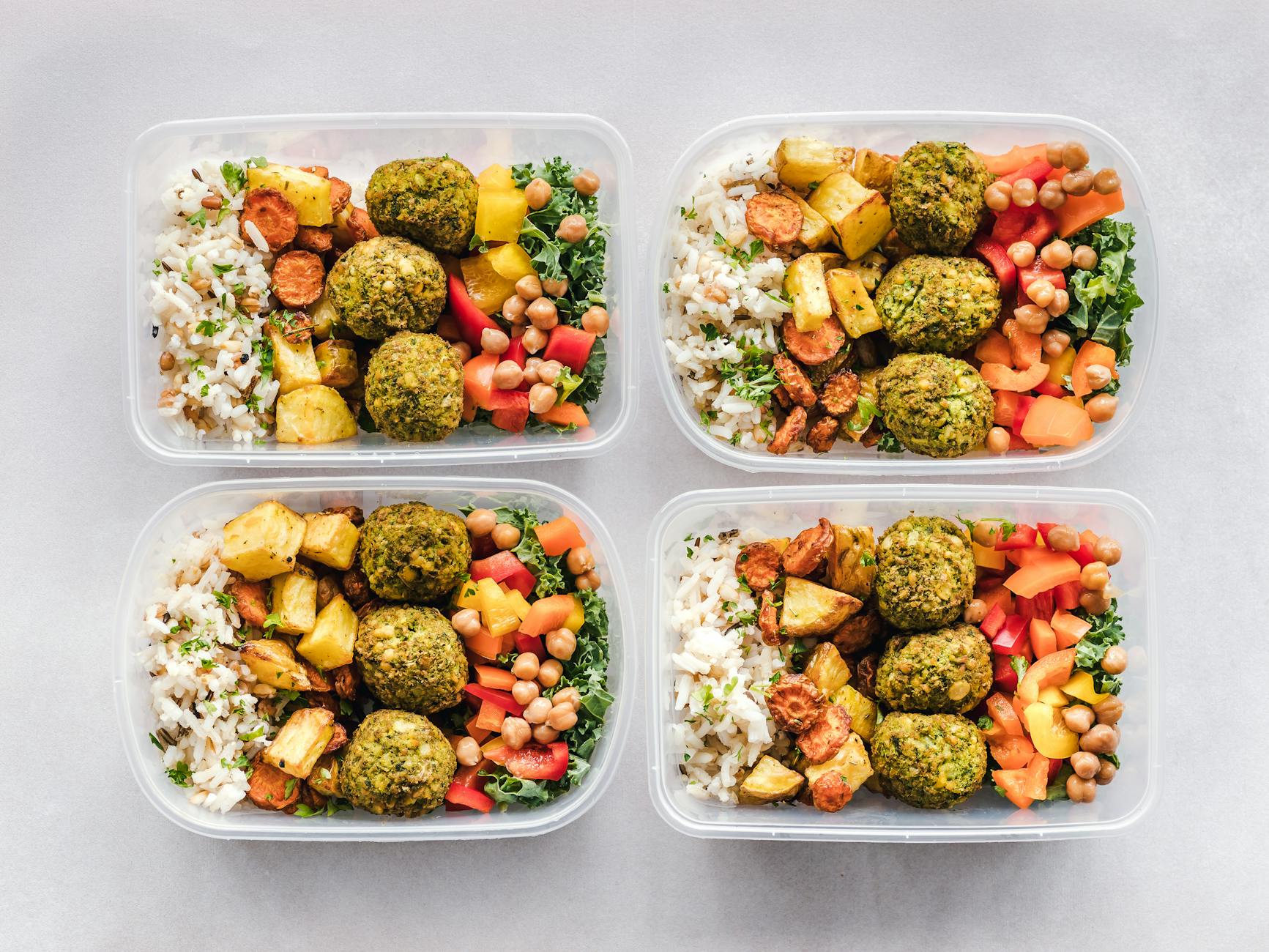
Use a standard dinner plate as your guide. If you eat out, visualize the plate divisions before you order. Choose dishes that feature a protein, a vegetable side, and a whole‑grain base. When cooking at home, pre‑portion ingredients into containers that match the plate model. This habit reduces guesswork and helps you stay consistent.

Remember that beverages count too. Water, unsweetened tea, or low‑fat milk are good choices. Limit sugary drinks, as they add calories without nutrients. If you need a snack, follow the same principles: pair fruit with a small amount of nut butter or cheese with whole‑grain crackers.

Adjust the plate to fit your personal needs. Athletes may increase protein portions, while older adults might need more calcium‑rich foods. The balanced plate is flexible; it simply reminds you to include a variety of food groups in each meal.

By following these simple steps, you can create meals that are nutritious, satisfying, and easy to prepare. The visual cue of a balanced plate makes healthy eating less about counting calories and more about choosing the right foods in the right amounts.

Related reading

AI disclosure: this article was automatically drafted with AI assistance and reviewed before publishing. Written with AI assistance: openai/gpt-oss-120b. It is general information, not professional medical, financial or legal advice.

How to Decode Salt and Sugar Information on Food Labels

A vibrant display of Tabasco sauce bottle surrounded by fresh chili peppers against a dark backdrop.

Understanding what appears on a food package can feel overwhelming. Two of the most common concerns are salt and sugar. Both affect taste, health, and daily intake goals. By learning how to read the label, you can make smarter choices without guessing.

Where to Find Salt and Sugar on the Label

The Nutrition Facts panel is the first place to look. Salt appears as "Sodium" measured in milligrams (mg). Sugar is listed under "Total Carbohydrate" as "Total Sugars" and sometimes broken down into "Added Sugars." Both numbers are presented per serving, so you must compare them to the serving size.

Below the panel, the ingredient list offers clues about hidden sources. Ingredients are listed in descending order by weight. If "sugar," "high‑fructose corn syrup," "sucrose," or "salt" appear near the top, the product contains a large amount of that component.

Understanding Daily Values and Limits

In the United States, the Daily Value (DV) for sodium is 2,300 mg. For added sugars, the DV is 50 g for a 2,000‑calorie diet. The label shows the percentage of DV (%DV) next to each nutrient. A %DV of 5 % or less is considered low, while 20 % or more is high.

Use these percentages to gauge how a single serving fits into your daily plan. For example, a snack with 300 mg sodium provides about 13 % of the DV, which is moderate. A soda with 40 g of added sugar supplies 80 % of the DV, indicating a high sugar load.

Portion Size Matters

Manufacturers often list a small serving size to keep numbers low. If you eat more than the stated serving, multiply the values accordingly. A granola bar that lists 150 mg sodium per half‑bar becomes 300 mg if you eat the whole bar.

Check the package for a "servings per container" line. This helps you calculate the total amount you will consume. Adjusting portion size can dramatically lower your intake of both salt and sugar.

Tips for Reducing Salt and Sugar Intake

1. Choose products with "no added sugar" or "unsweetened" labels. These often contain only natural sugars from fruit or dairy.

2. Look for "low‑sodium" or "reduced‑sodium" claims. In the U.S., low‑sodium means 140 mg or less per serving, and reduced‑sodium indicates at least a 25 % reduction compared to the regular version.

3. Compare similar items side by side. Two brands of canned beans may have different sodium levels. Selecting the lower‑sodium option saves you up to 400 mg per serving.

4. Use spices, herbs, and citrus instead of salt for flavor. This can cut sodium without sacrificing taste.

5. Read the ingredient list for hidden sugars. Words like "maltodextrin," "fruit juice concentrate," and "evaporated cane juice" all add sugar.

Making the Label Work for You

Take a few seconds to scan the Nutrition Facts panel before you buy. Note the sodium and total sugar numbers, then compare the %DV to your personal goals. If the numbers are high, consider an alternative product or a smaller portion.

Over time, you will develop a sense of what amounts feel reasonable. This skill helps you stay within recommended limits without counting every milligram.

Remember that occasional indulgence is fine. The goal is to keep average daily intake within the recommended ranges. By consistently checking labels, you empower yourself to make choices that support long‑term health.

Related reading

AI disclosure: this article was automatically drafted with AI assistance and reviewed before publishing. Written with AI assistance: openai/gpt-oss-120b. It is general information, not professional medical, financial or legal advice.

Balanced Breakfast Habits That Suit Most People

A vibrant Mediterranean breakfast featuring boiled eggs, grilled halloumi, and fresh vegetables on a beautifully patterned plate.

Why Breakfast Matters

Starting the day with food gives the body fuel after a night of fasting. A balanced breakfast can improve focus, mood, and energy levels. It also helps regulate appetite, making it easier to choose healthier options later.

Research shows that people who eat a nutritious morning meal tend to eat less overall. This pattern supports weight management without strict dieting. The key is to include protein, fiber, and healthy fats in each meal.

Core Components of a Good Breakfast

Protein is essential for muscle repair and satiety. Good sources include eggs, Greek yogurt, cottage cheese, tofu, and lean meats. Aim for 15–20 grams of protein each morning.

Fiber slows digestion and keeps blood sugar stable. Whole grains, fruits, and vegetables provide the most fiber. A serving of oatmeal, whole‑grain toast, or a fruit salad works well.

Healthy fats support brain function and keep you feeling full. Nuts, seeds, avocado, and olive oil are easy to add to any breakfast.

Combine these three groups in a simple plate, and you have a foundation that works for most people.

Practical Breakfast Ideas

1. Classic Egg and Veggie Bowl – Scramble two eggs with spinach, tomatoes, and mushrooms. Add a sprinkle of cheese and a side of whole‑grain toast. This dish offers protein, fiber, and healthy fats.

2. Overnight Oats – Mix rolled oats with milk or a plant‑based alternative, Greek yogurt, chia seeds, and berries. Let it sit in the fridge overnight. In the morning, you have a ready‑to‑eat meal rich in fiber and protein.

3. Smoothie Power – Blend a banana, a handful of spinach, protein powder or Greek yogurt, almond butter, and oat milk. The result is a portable breakfast with balanced nutrients.

4. Whole‑Grain Toast with Toppings – Spread avocado on toasted whole‑grain bread, top with sliced boiled egg, and sprinkle with pepper. Add a side of fresh fruit for extra fiber.

5. Cottage Cheese Parfait – Layer cottage cheese with sliced peaches, a drizzle of honey, and a handful of granola. This option provides a high‑protein start with a touch of sweetness.

Tips for Consistency

Plan your meals the night before. Prepare ingredients or assemble containers so you can grab them quickly. Keep breakfast staples stocked: eggs, oats, yogurt, fruit, and nuts.

Limit sugary cereals and pastries. They cause rapid blood‑sugar spikes followed by crashes, which can lead to mid‑morning cravings.

Stay hydrated. A glass of water or herbal tea helps digestion and can improve alertness.

Listen to your body. Some people feel best with a larger meal, while others prefer a light snack. Adjust portions to match your hunger and activity level.

By focusing on protein, fiber, and healthy fats, you can create a breakfast that supports energy, concentration, and overall well‑being. Simple, repeatable meals make it easier to stick with the habit, and the variety keeps it enjoyable.

Related reading

AI disclosure: this article was automatically drafted with AI assistance and reviewed before publishing. Written with AI assistance: openai/gpt-oss-120b. It is general information, not professional medical, financial or legal advice.

Understanding Food Labels: A Guide to Nutrition Facts

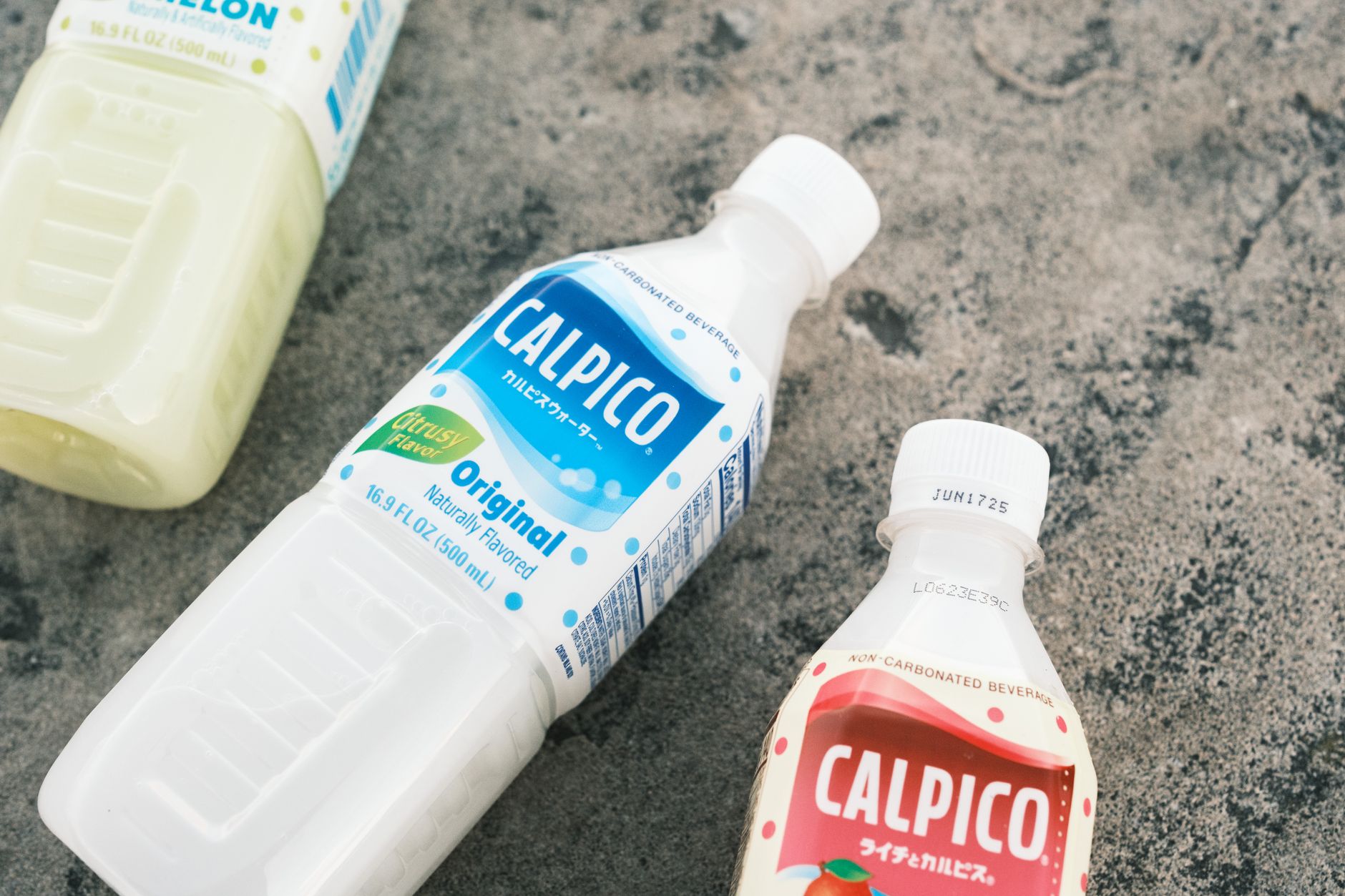
Close-up of Calpico beverage bottles on textured concrete surface.

Grocery stores contain thousands of packaged items. Each package carries a nutrition facts label. These labels provide data about the contents of the food. Learning to read these numbers helps you understand what you consume. You can make informed choices by looking at specific sections of the label.

Serving Size and Servings Per Container

The label starts with the serving size. This is the amount of food that one serving represents. Manufacturers base all other numbers on this specific amount. Check the servings per container next. A package might contain multiple servings. If you eat the whole package, you must multiply the numbers by the total servings. Many people overlook this detail. It changes the total intake of calories and nutrients significantly.

Calories and Daily Value

Calories measure the energy provided by the food. The label lists calories per serving. This number helps you track your energy intake throughout the day. Below the calories, you find the Percent Daily Value (%DV). This percentage shows how much a nutrient in one serving contributes to a total daily diet. The %DV uses a standard 2,000-calorie diet as a baseline. Five percent or less is considered low. Twenty percent or more is considered high. Use these percentages to compare different products quickly.

Understanding Macronutrients

The label breaks down macronutrients into fats, carbohydrates, and proteins. Total fat includes saturated fat and trans fat. Experts often suggest limiting saturated fats. Trans fats are usually listed separately. Check these numbers to monitor your fat intake. Carbohydrates include dietary fiber, total sugars, and added sugars. Fiber supports digestion. Added sugars are sugars manufacturers include during processing. You should distinguish between natural sugars and added sugars. Protein is also listed in grams. Your body uses protein to build and repair tissues. These three categories form the core of your nutritional intake.

Vitamins and Minerals

The bottom section of the label lists essential vitamins and minerals. Common entries include Vitamin D, calcium, iron, and potassium. These nutrients support various bodily functions. The label shows the amount in milligrams or micrograms. It also provides the %DV for these items. This section helps you identify if a food provides significant amounts of necessary nutrients. Some products are fortified with extra vitamins. Check this list to see if a food helps you meet your personal nutritional goals.

The Ingredient List

The ingredient list appears below the nutrition facts table. Manufacturers list ingredients by weight. The first ingredient makes up the largest portion of the product. The last ingredient makes up the smallest portion. Read this list to identify specific components. It helps you spot allergens or ingredients you wish to avoid. Some labels include long chemical names. These are often preservatives or additives. A shorter list often indicates a less processed food. Use the ingredient list alongside the nutrition facts to get a complete picture of the product.

Practical Tips for Shopping

Compare labels between similar products. Look for items with lower amounts of added sugars and sodium. Choose products with higher fiber content when possible. Do not rely solely on front-of-package claims. Marketing terms like natural or healthy do not always reflect the full nutritional profile. Always turn the package over to read the official label. Practice reading labels during your regular shopping trips. It becomes easier with time. You will soon recognize patterns in the foods you buy. This habit empowers you to select items that align with your dietary preferences. Consistent label reading builds your knowledge of food composition. It turns a quick trip to the store into a more thoughtful experience. Focus on the facts provided by the label to guide your decisions. Small changes in your choices can lead to a better understanding of your overall diet.

Related reading

AI disclosure: this article was automatically drafted with AI assistance and reviewed before publishing. Written with AI assistance: gemini-3.1-flash-lite. It is general information, not professional medical, financial or legal advice.

Monday, October 12, 2026

Quick and Nutritious Lunches Ready in Fifteen Minutes

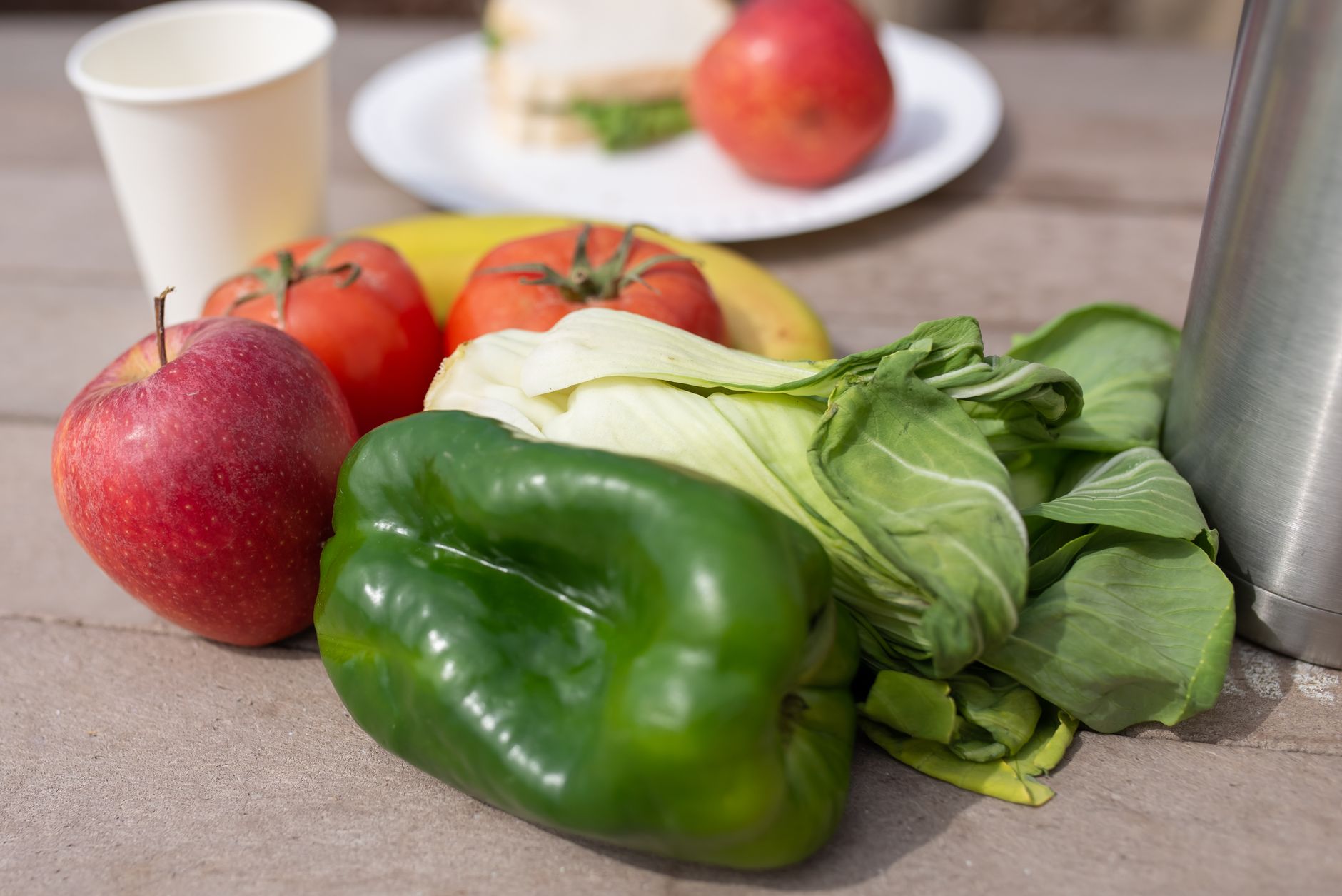
A close-up of vibrant fresh produce including apples, bell peppers, and tomatoes on a wooden table.

Why 15‑Minute Lunches Work

Busy days demand meals that are fast, balanced, and satisfying. A fifteen‑minute lunch can provide protein, fiber, and healthy fats without sacrificing flavor. Planning simple components and using pantry staples speeds preparation. When you keep knives sharp and bowls ready, you can assemble a nutritious plate in the time it takes to finish a short meeting.

Build a Base with Whole Grains

Start every quick lunch with a whole‑grain base. Cooked quinoa, brown rice, or whole‑wheat couscous can be prepared in bulk on the weekend. Store portions in the fridge, then reheat in the microwave for one to two minutes. These grains supply complex carbs that keep energy steady through the afternoon.

If you prefer no‑cook options, try whole‑grain wraps or sturdy lettuce leaves. They add texture and act as a vehicle for toppings. Choose varieties without added sugars or excessive sodium for the healthiest choice.

Protein in a Flash

Protein keeps you full and supports muscle repair. Canned beans, pre‑cooked lentils, or rotisserie chicken are excellent shortcuts. Rinse a can of chickpeas, toss them with olive oil, lemon, and herbs, then microwave for thirty seconds. The result is a warm, protein‑rich topping.

For vegetarian options, crumble firm tofu and sauté it with soy sauce and garlic for one minute. Eggs are also quick; scramble two eggs in a non‑stick pan while you heat your grain. Each method adds about 15 grams of protein without extra prep time.

Veggies That Add Color and Crunch

Fresh vegetables bring vitamins, minerals, and fiber. Baby carrots, snap peas, and cherry tomatoes require no chopping. For leafy greens, use pre‑washed spinach or arugula; they wilt in seconds when mixed with a warm grain.

If you have a microwave, steam frozen mixed vegetables for two minutes. Drain, season with a pinch of salt, and fold them into your bowl. The quick heat preserves nutrients while adding bulk to the meal.

Flavor Boosters and Simple Dressings

A good dressing transforms a bland bowl into a tasty dish. Combine olive oil, balsamic vinegar, Dijon mustard, and a dash of honey for a quick vinaigrette. Whisk for ten seconds, then drizzle over the top.

Fresh herbs like cilantro, basil, or parsley add brightness. Sprinkle a handful of nuts or seeds—such as toasted pumpkin seeds—for crunch and healthy fats. A squeeze of lemon or lime finishes the flavor profile.

Three Ready‑to‑Make Lunch Recipes

1. Mediterranean Quinoa Bowl

Ingredients: cooked quinoa, canned chickpeas, diced cucumber, halved cherry tomatoes, crumbled feta, olive oil, lemon juice, oregano.

Method: Warm quinoa for one minute. Add chickpeas, cucumber, and tomatoes. Toss with olive oil, lemon juice, and oregano. Top with feta. Serve immediately.

2. Asian Chicken Wrap

Ingredients: whole‑wheat tortilla, shredded rotisserie chicken, pre‑shredded coleslaw mix, soy sauce, sesame oil, sriracha.

Method: Mix chicken with soy sauce and a drizzle of sesame oil. Place coleslaw mix on tortilla, add chicken, and drizzle sriracha. Roll tightly and enjoy.

3. Veggie Egg Fried Rice

Ingredients: leftover brown rice, frozen peas and carrots, two eggs, soy sauce, green onions, sesame seeds.

Method: Microwave rice for one minute. In a pan, scramble eggs, then add rice and vegetables. Stir in soy sauce, cook for two minutes, garnish with green onions and sesame seeds.

All three meals require fifteen minutes or less from start to finish. They balance protein, whole grains, and vegetables, giving you steady energy for the rest of the day.

Tips for Staying Efficient

Keep a stocked pantry of canned beans, whole‑grain grains, and sauces. Use a timer to avoid overcooking. Clean as you go; a tidy workspace speeds up each step. Finally, prep a few ingredients on the weekend so weekday assembly feels effortless.

With these strategies, healthy lunches become a habit, not a hassle. You can enjoy variety, flavor, and nutrition without sacrificing precious time.

Related reading

AI disclosure: this article was automatically drafted with AI assistance and reviewed before publishing. Written with AI assistance: openai/gpt-oss-120b. It is general information, not professional medical, financial or legal advice.

Friday, October 9, 2026

Quick 15‑Minute Healthy Lunch Ideas for Busy Days

A close-up of vibrant fresh produce including apples, bell peppers, and tomatoes on a wooden table.

Finding time for a nutritious lunch can feel impossible when you have a packed schedule. The good news is that you can create satisfying, balanced meals in just fifteen minutes. Below are five ideas that combine protein, fiber, and healthy fats without sacrificing flavor.

1. Mediterranean Chickpea Salad

Start with a can of chickpeas, rinsed and drained. Add chopped cucumber, cherry tomatoes, red onion, and a handful of Kalamata olives. Toss with crumbled feta cheese and a drizzle of olive oil, lemon juice, salt, and pepper. The salad is ready in three minutes and provides plant protein, fiber, and healthy fats.

2. Turkey and Avocado Wrap

Lay a whole‑grain tortilla on a clean surface. Spread a thin layer of hummus, then layer sliced turkey breast, avocado slices, spinach leaves, and shredded carrots. Roll tightly and slice in half. This wrap delivers lean protein, heart‑healthy monounsaturated fat, and a crunch of vegetables.

3. Quick Veggie Stir‑Fry with Tofu

Heat a tablespoon of sesame oil in a non‑stick pan over medium heat. Add cubed firm tofu and stir until golden, about four minutes. Toss in pre‑cut stir‑fry vegetables—broccoli, bell pepper, snap peas—and a splash of low‑sodium soy sauce. Cook until vegetables are tender but crisp, roughly five minutes. Serve over microwaveable brown rice for a complete meal.

4. Greek Yogurt Power Bowl

Combine a cup of plain Greek yogurt with a tablespoon of honey. Top with sliced banana, mixed berries, a sprinkle of granola, and a handful of toasted almonds. The bowl offers calcium, probiotics, and antioxidants, making it a quick, nutrient‑dense option.

5. Spicy Tuna Lettuce Cups

Mix a can of drained tuna with a teaspoon of sriracha, a dash of lime juice, and a spoonful of diced celery. Spoon the mixture into large butter lettuce leaves. Garnish with chopped cilantro and a squeeze of extra lime. These cups are low in carbs, high in protein, and pack a zingy flavor.

All of these recipes require minimal prep and can be assembled with pantry staples or items from a quick grocery run. By keeping a few versatile ingredients on hand—canned beans, pre‑cut veggies, whole‑grain wraps, and protein sources—you can rotate these lunches throughout the week. The result is a varied menu that supports energy levels and helps you avoid the temptation of processed fast food.

To streamline the process, consider batch‑prepping components on the weekend. Cook a batch of brown rice, roast a tray of mixed vegetables, and portion out nuts and seeds into snack bags. When lunchtime arrives, you only need to combine the pre‑made elements with fresh toppings or sauces. This approach reduces daily decision fatigue and keeps your meals both healthy and exciting.

Remember that a balanced lunch should include a source of protein, a serving of vegetables or fruit, and a whole grain or healthy fat. Aim for a plate that looks colorful and varied; the visual appeal often signals a range of nutrients. With these five ideas, you can enjoy a wholesome lunch without sacrificing time or taste.

Related reading

AI disclosure: this article was automatically drafted with AI assistance and reviewed before publishing. Written with AI assistance: openai/gpt-oss-120b. It is general information, not professional medical, financial or legal advice.

Monday, October 5, 2026

How to Read Food Labels Without Feeling Overwhelmed

Elderly man examines product in grocery store aisle, representing daily shopping routine.

Walking down the grocery aisle, you’re bombarded with rows of colorful packages, each boasting a different claim about health, flavor, or sustainability. While food labels are designed to help you make informed choices, the sheer amount of information can feel intimidating. This guide breaks down the most important parts of a label, explains what to look for, and offers simple strategies to keep the process manageable.

Start with the Basics: Serving Size and Calories

The first numbers you’ll see on any packaged food are the serving size and the calories per serving. The serving size is a standardized amount that the manufacturer uses to calculate the rest of the nutrition facts. It may not match the portion you actually eat, so it’s worth checking. If the label says a serving is 1 cup but you typically eat half a cup, simply halve the calories and nutrient values. Understanding this relationship helps you avoid accidental over‑consumption.