Finding time to eat well can feel impossible when work, family, and errands fill every hour. Yet small, consistent changes can improve nutrition without adding stress. Below are practical steps that fit into a hectic routine, from planning ahead to choosing smarter options on the go.
Plan Your Meals in Small Batches
Instead of trying to design a full weekly menu, start with a two‑day plan. Choose a protein, a vegetable, and a whole grain for each meal. Cook the protein in bulk—grill chicken breasts, bake tofu, or boil eggs—then portion it into containers. Pair each portion with pre‑washed greens, roasted veggies, or a quick salad. This method reduces decision fatigue and limits the time spent cooking each day.
Use a simple spreadsheet or a free app to track what you have on hand. When you see a leftover ingredient, you can instantly create a new dish, such as a stir‑fry or a grain bowl. The key is to keep the list short and the steps repeatable.
Leverage Convenience Foods Wisely
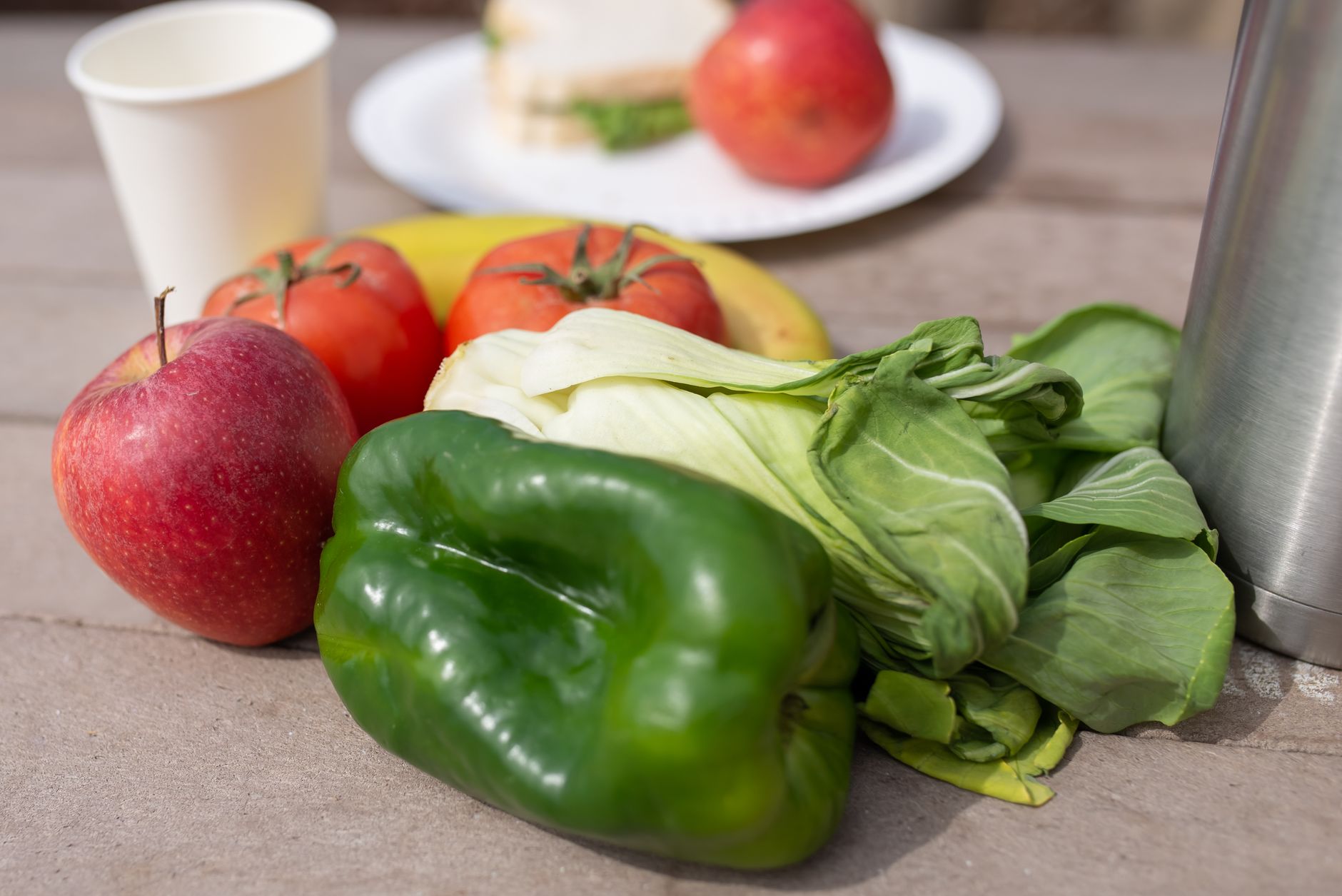
Convenience foods are not automatically unhealthy. Look for options that are minimally processed, such as frozen vegetables, pre‑cooked brown rice, or canned beans with no added salt. These items can be heated in minutes and combined with fresh ingredients for a balanced plate.
Read labels quickly: aim for products with fewer than five ingredients, no added sugars, and limited sodium. Stock your pantry with items like whole‑grain tortillas, low‑sodium broth, and nut butter. When you need a fast snack, reach for a handful of nuts, a piece of fruit, or a Greek yogurt instead of sugary packets.
Build a Portable “Grab‑and‑Go” Toolkit
Keep a small kit in your bag or at your desk. Include reusable containers, a set of utensils, and a portable cooler pack if you need to keep food cold. Fill the kit with items that stay fresh for several hours: hard‑boiled eggs, sliced veggies, hummus, cheese sticks, and whole‑grain crackers.
When you know you’ll be out for a meeting or a workout, pack a balanced snack ahead of time. A typical combo might be a small apple, a tablespoon of almond butter, and a few whole‑grain crackers. This prevents impulse purchases of vending‑machine snacks that are high in sugar and low in nutrients.
Make Smart Choices at Restaurants and Cafés
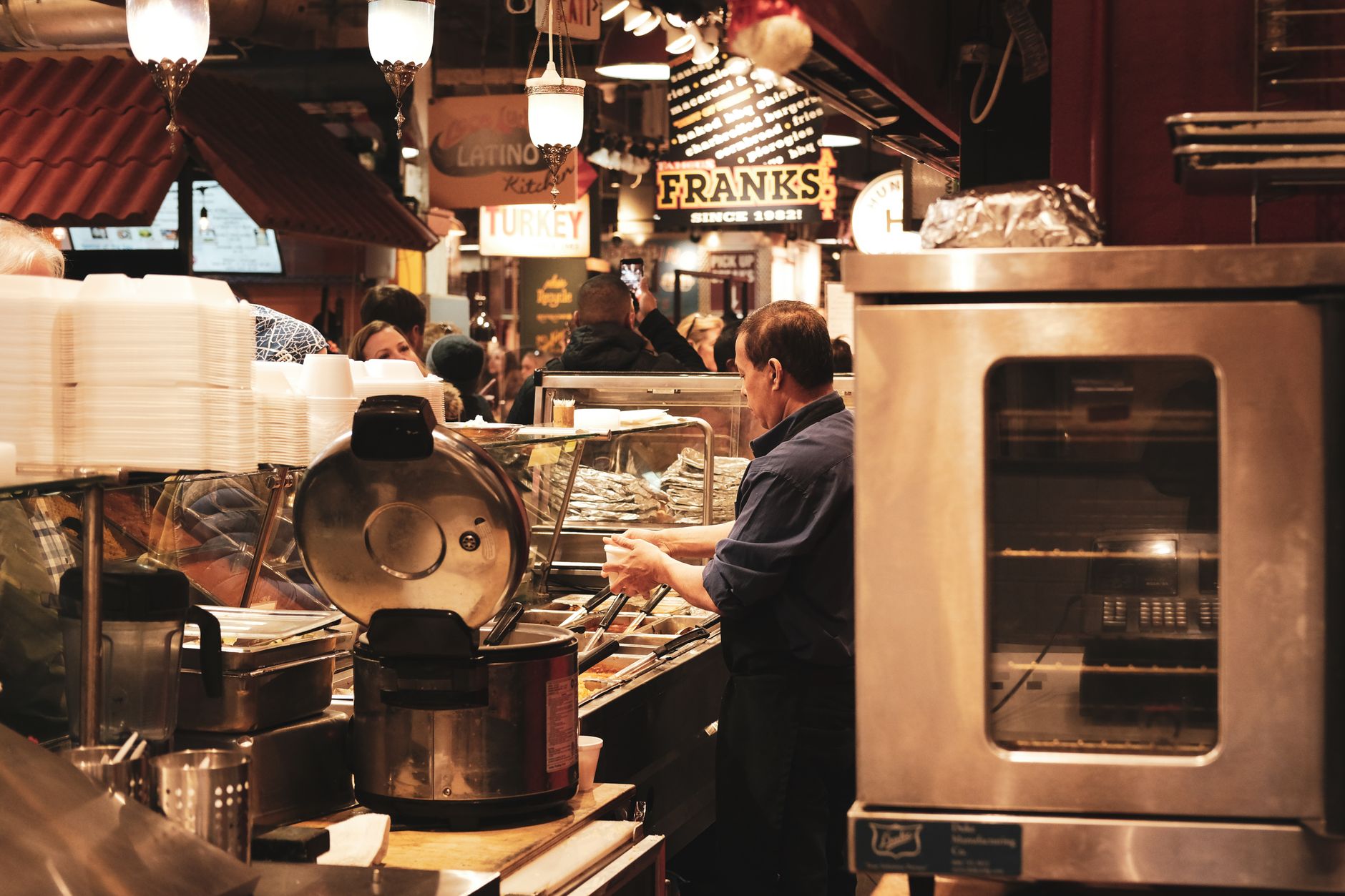
Even when you eat out, you can keep your meals nutritious. Start by scanning the menu for dishes that feature lean protein, vegetables, and whole grains. Ask for dressings or sauces on the side, and swap fries for a side salad or steamed veggies.
Portion control matters. If a restaurant serves a large plate, consider boxing half of it before you start eating. This simple habit reduces calorie intake and leaves room for a dessert or a later snack if you’re still hungry.
Use Time‑Saving Kitchen Tools
Invest in a few versatile appliances that cut prep time. A good-quality chef’s knife speeds up chopping. A microwave‑safe steamer basket lets you cook veggies in minutes. An instant‑pot or pressure cooker can turn dried beans or whole grains into ready‑to‑eat sides in under 30 minutes.
Batch‑cook staples on the weekend. Cook a large pot of quinoa, brown rice, or lentils, then store them in the fridge. When a weekday rush hits, you can assemble a bowl in under five minutes by adding a protein and a quick sauce.
Stay Hydrated and Mindful of Snacks
Often, we mistake thirst for hunger. Keep a water bottle at your desk and sip regularly. If you feel a craving, pause for a minute and ask yourself if you’re truly hungry or just dehydrated.
When you do need a snack, choose options that combine protein and fiber. A small portion of cottage cheese with berries, a handful of trail mix, or a rice cake topped with avocado can satisfy cravings without causing a blood‑sugar spike.
By integrating these habits into your daily routine, you can improve the quality of your diet without sacrificing time. Small, consistent actions—like prepping two meals ahead, choosing smarter convenience foods, and packing portable snacks—add up to healthier eating even on the busiest days.
Related reading
 Quick 15‑Minute Healthy Lunch Ideas for Busy Days
 Healthy Eating on a Budget: Tips and Tricks
AI disclosure: this article was automatically drafted with AI assistance and reviewed before publishing. Written with AI assistance: openai/gpt-oss-120b. It is general information, not professional medical, financial or legal advice.


0 comments:
Post a Comment