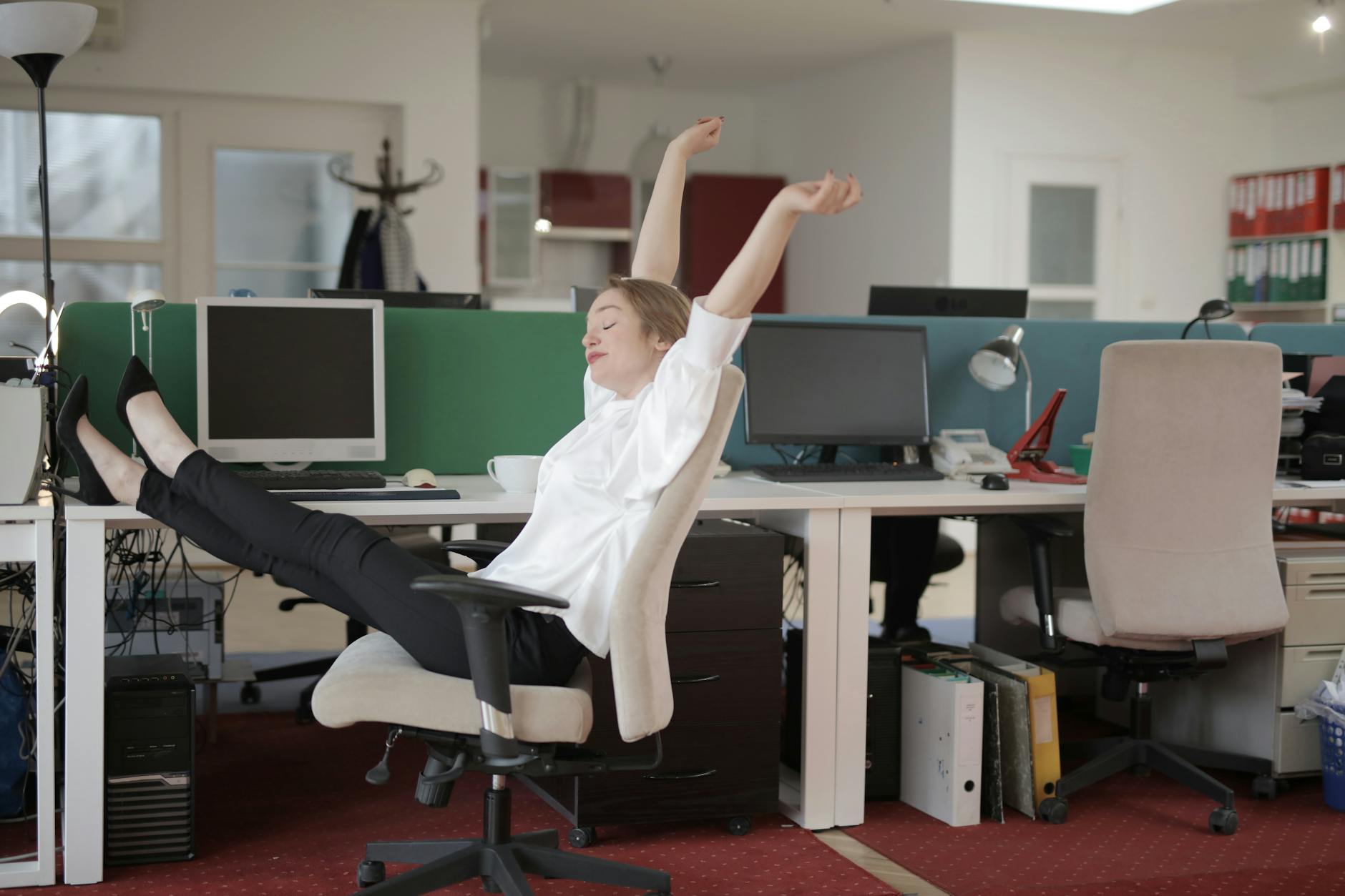
Long hours at a desk often lead to physical stiffness. Muscles tighten when held in one position for too long. This tension affects the neck, shoulders, and lower back. Simple movements can help release this tightness throughout the day. These stretches require no special equipment. You can perform them right at your workstation.
Neck and Shoulder Relief
The neck often carries the most stress during a workday. Start by sitting tall in your chair. Keep your feet flat on the floor. Slowly tilt your right ear toward your right shoulder. Hold this position for fifteen seconds. You should feel a gentle stretch along the left side of your neck. Repeat this movement on the left side. Do not force the stretch beyond a comfortable point.
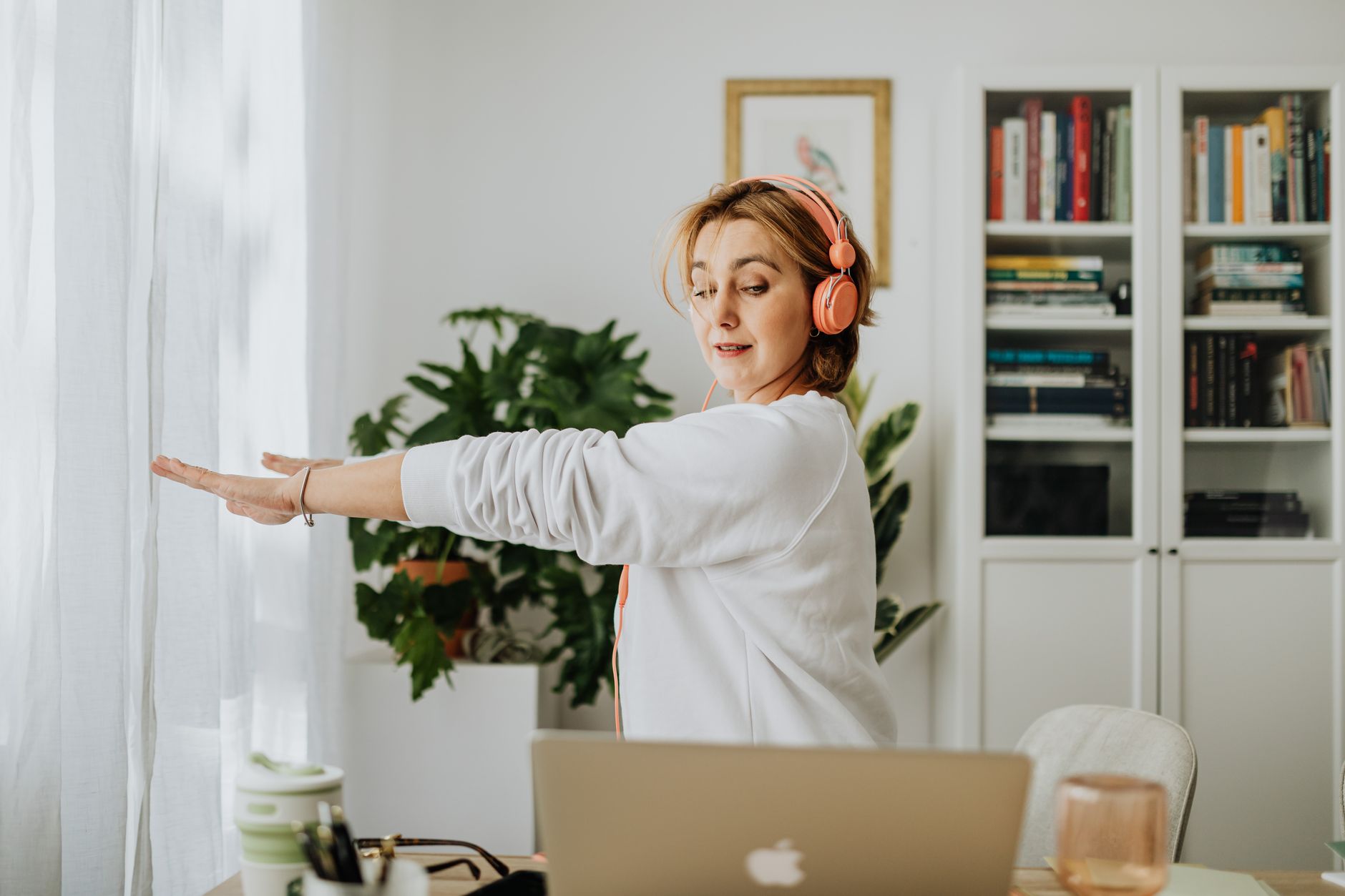
Next, focus on your shoulders. Roll your shoulders forward in a circular motion five times. Then, roll them backward five times. This motion helps loosen the muscles around the shoulder blades. Finally, reach both arms overhead. Interlace your fingers and push your palms toward the ceiling. Breathe deeply while you hold this reach for ten seconds. This action lengthens the spine and opens the chest.
Torso and Back Mobility
Sitting for extended periods limits movement in the torso. A seated spinal twist helps improve mobility in the mid-back. Sit upright and place your feet firmly on the ground. Place your left hand on the back of your chair. Gently rotate your upper body to the left. Look over your left shoulder if it feels comfortable. Hold the twist for twenty seconds. Return to the center and repeat the movement on the right side.
Another effective move is the seated cat-cow stretch. Place your hands on your knees. As you inhale, arch your back and look toward the ceiling. Push your chest forward. As you exhale, round your spine and tuck your chin toward your chest. Repeat this cycle five times. This movement encourages flexibility in the vertebrae. It also helps counteract the tendency to slouch forward toward a computer screen.
Wrist and Hip Maintenance
Typing and using a mouse can strain the wrists. Extend your right arm in front of you with the palm facing up. Use your left hand to gently pull your fingers back toward your body. Hold for fifteen seconds. Switch arms and repeat the process. This stretch targets the forearm muscles used during repetitive typing tasks.
The hips also tighten from prolonged sitting. Try a seated figure-four stretch to address this area. Cross your right ankle over your left knee. Keep your right foot flexed to protect the knee joint. Sit tall and gently lean your torso forward. You will feel a stretch in the outer hip and gluteal muscles. Hold for thirty seconds. Switch legs and repeat the stretch on the other side. This simple movement helps maintain range of motion in the hip joints.
Building a Consistent Routine
Consistency matters more than intensity when stretching at work. Aim to perform these movements every hour or two. Set a timer on your phone or computer to remind you. Even two minutes of movement can make a difference in how you feel. Focus on your breathing while you stretch. Deep breaths help the muscles relax more effectively.
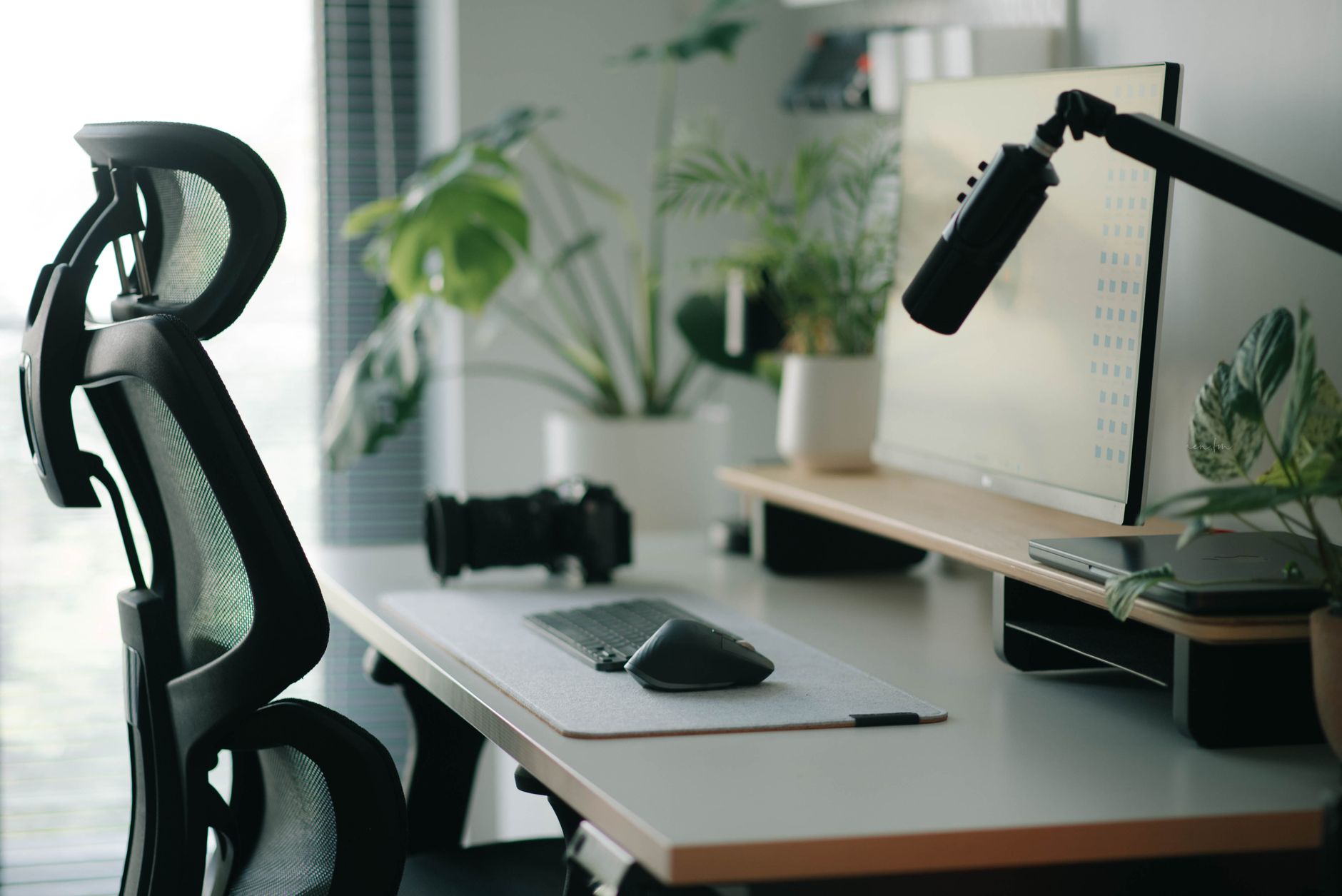
Listen to your body during these exercises. Stretching should feel like a gentle pull, not sharp pain. If a movement causes discomfort, stop immediately. You can modify the range of motion to suit your current flexibility. Over time, these small habits may help you feel more comfortable at your desk. Proper desk setup also plays a role in your physical comfort. Ensure your monitor sits at eye level. Keep your keyboard close enough to maintain a neutral wrist position. Combine these ergonomic adjustments with regular movement breaks for the best results. Small, frequent changes often lead to the most sustainable improvements in daily comfort.
Related reading
 Shoulder Stretches to Relieve Tension After Long Meetings
 A Practical Guide to Setting Up Your Desk for Comfort
AI disclosure: this article was automatically drafted with AI assistance and reviewed before publishing. Written with AI assistance: gemini-3.1-flash-lite. It is general information, not professional medical, financial or legal advice.
 Simple Desk Stretches to Relieve Shoulder Stiffness
 A Simple 5‑Minute Stretch to Keep Your Body Flexible Daily


