
Creating a weekly menu that feels balanced does not have to be overwhelming. By breaking the process into clear steps, you can save time, reduce waste, and enjoy varied nutrition every day. This guide walks you through the essential tasks, from assessing your needs to shopping efficiently and prepping smartly.
1. Assess Your Nutritional Goals and Schedule
Start by noting any dietary preferences, allergies, or health goals. Do you need more protein, fiber, or calcium? Write down a simple target, such as "include a lean protein at lunch" or "add a vegetable side to dinner." Next, map out your weekly calendar. Identify days with long work hours, evenings out, or travel. Knowing when you have time to cook helps you allocate quick meals for busy nights and more elaborate dishes for relaxed evenings.
2. Choose a Core Food Framework
Use the plate model as a quick reference: half vegetables and fruit, a quarter whole grains, and a quarter protein. Aim for a variety of colors each day to cover different micronutrients. Pick three to four staple proteins—chicken, beans, fish, tofu—and rotate them. Select two whole grains, such as brown rice and quinoa, and keep a list of favorite vegetables and fruits. This framework reduces decision fatigue while keeping meals balanced.
3. Draft a Rough Menu
Write a simple table with days across the top and meals down the side. Fill in breakfast, lunch, dinner, and one or two snacks per day. Keep the structure flexible; you can swap meals between days if needed. Example: Monday breakfast—overnight oats with berries; lunch—chickpea salad; dinner—grilled salmon with quinoa and broccoli. Repeat similar patterns, but vary the protein or vegetable to avoid monotony.
4. Build a Detailed Shopping List
Review your draft menu and list each ingredient once. Group items by store section: produce, dairy, pantry, frozen. Check your pantry for items you already have, such as spices or canned beans, and cross them off. This step prevents duplicate purchases and helps you stay within budget. Aim for fresh produce that can be used in multiple meals, like carrots for a snack, a stir‑fry, and a soup.
5. Schedule Prep Sessions
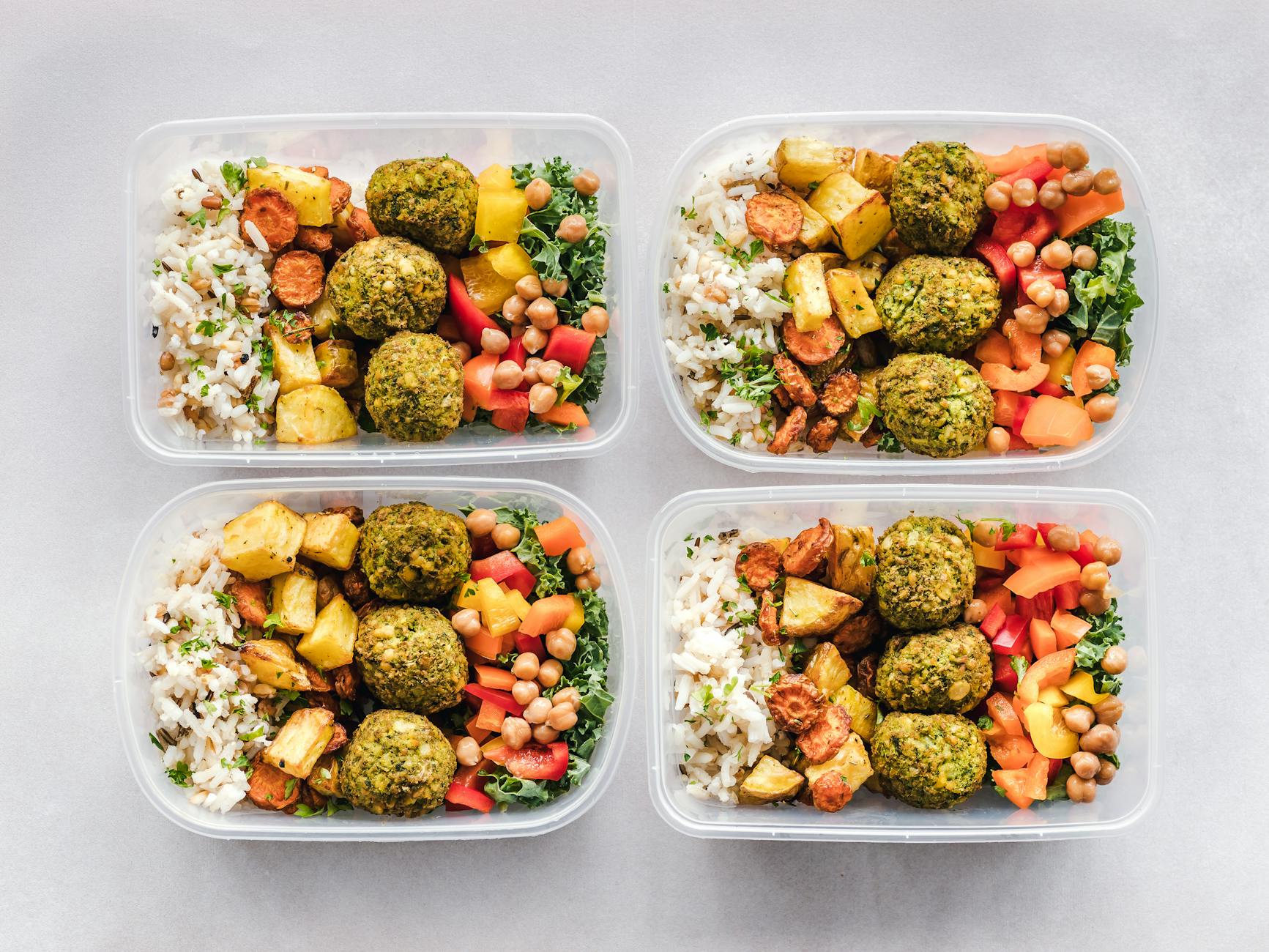
Allocate 1–2 hours on a low‑stress day, often Sunday, for batch cooking. Cook grains in bulk, roast a tray of mixed vegetables, and pre‑portion proteins. Store each component in airtight containers. You can also pre‑chop salad greens, wash berries, and portion nuts for snacks. Having these building blocks ready makes it easy to assemble meals quickly during the week.
6. Assemble Meals Efficiently
When it’s time to eat, combine your pre‑cooked items with fresh elements. A quick lunch might be a grain bowl: add cooked quinoa, roasted veggies, a handful of raw spinach, and a grilled chicken slice. Top with a simple vinaigrette. For dinner, heat a pre‑made sauce, toss in pre‑cooked protein and vegetables, and serve over rice. This method keeps cooking time under 30 minutes on most nights.Remember to keep a few pantry staples on hand for spontaneous meals. Items like canned tomatoes, broth, and dried herbs can turn leftovers into new dishes without extra shopping trips.
7. Review and Adjust
At the end of the week, note what worked and what didn’t. Did you finish all the roasted vegetables? Did a snack feel too heavy? Use these observations to tweak the next week’s plan. Small adjustments, such as swapping a heavy dinner for a lighter soup, improve satisfaction over time.
By following these steps, you create a repeatable system that balances nutrition, variety, and convenience. The effort you invest in planning and prep pays off with less stress, fewer last‑minute takeout orders, and a healthier plate every day.
Related reading
 Mastering Portion Control Without Using a Kitchen Scale
 Simple Weekly Meal Planning: Easy Recipes for Busy Lives
AI disclosure: this article was automatically drafted with AI assistance and reviewed before publishing. Written with AI assistance: openai/gpt-oss-120b. It is general information, not professional medical, financial or legal advice.


