
Everyone who trains regularly knows that progress depends on a balance between work and recovery. Pushing through fatigue can feel heroic, but it often leads to diminishing returns. Recognising the signs that your body is begging for a rest day can keep you strong, motivated, and injury‑free.
Physical cues that signal overload
Muscle soreness is the most obvious clue. A mild ache after a workout is normal, but when pain lingers for more than 48 hours, it suggests incomplete repair. Look for stiffness that makes everyday movements feel harder than usual.
Joint discomfort is another warning sign. If your knees, shoulders, or lower back feel achy during warm‑ups, you may be accumulating micro‑stress. Persistent joint pain often precedes more serious injuries.
Reduced performance is a subtle but reliable indicator. Notice if you can’t lift the weight you handled last week, or if your running pace drops without a clear reason. A sudden dip in strength, speed, or endurance usually means your nervous system is fatigued.
Psychological signs you shouldn’t ignore
Mental fatigue can appear as a lack of motivation or an aversion to training. When you start dreading your next session, your brain is signaling that recovery is overdue.
Difficulty concentrating during workouts is another red flag. If you find yourself zoning out, missing cues, or making sloppy form, your central nervous system is likely taxed.
Sleep disturbances often accompany overtraining. Trouble falling asleep, waking up frequently, or feeling unrested after a full night can indicate hormonal imbalance caused by excessive stress.
How to test your readiness
Perform a quick self‑check before each session. Rate your overall fatigue on a scale of 1 to 10, with 10 being completely exhausted. Scores above 7 should prompt a lighter workout or a rest day.
Try a simple mobility routine. If you struggle to achieve normal range of motion, especially in hips, shoulders, or ankles, your tissues may need extra time to recover.
Monitor heart‑rate variability (HRV) if you have a wearable. A noticeable drop from your baseline often precedes performance loss and can guide you toward rest.
Practical steps for an effective rest day
Rest does not mean complete inactivity. Light activities such as walking, gentle yoga, or easy cycling keep blood flowing and aid nutrient delivery.
Prioritise sleep. Aim for 7‑9 hours of quality rest, and consider short naps if you feel unusually tired.
Hydration and nutrition support recovery. Include protein, healthy fats, and antioxidant‑rich foods to repair muscle fibers and reduce inflammation.
Use foam rolling or massage to release tension. These techniques improve tissue elasticity and can speed up the healing process.
Finally, schedule regular rest days in your training plan. Most programs benefit from at least one full day off per week, plus occasional lighter weeks after intense blocks.
Listening to your body is a skill that improves with practice. By paying attention to physical and mental cues, testing readiness, and planning purposeful recovery, you can train smarter, avoid setbacks, and enjoy long‑term progress.
Related reading
 A Practical Guide to Structuring Your Weekly Rest Day
 Simple Breathing Techniques for a Productive Afternoon
AI disclosure: this article was automatically drafted with AI assistance and reviewed before publishing. Written with AI assistance: openai/gpt-oss-120b. It is general information, not professional medical, financial or legal advice.
 How to Build a Morning Routine That Actually Sticks

 Building Functional Strength at Home Without Equipment
 Practical Strategies to Fit Exercise Into Your Workday

 Simple Desk Stretches to Relieve Shoulder Stiffness
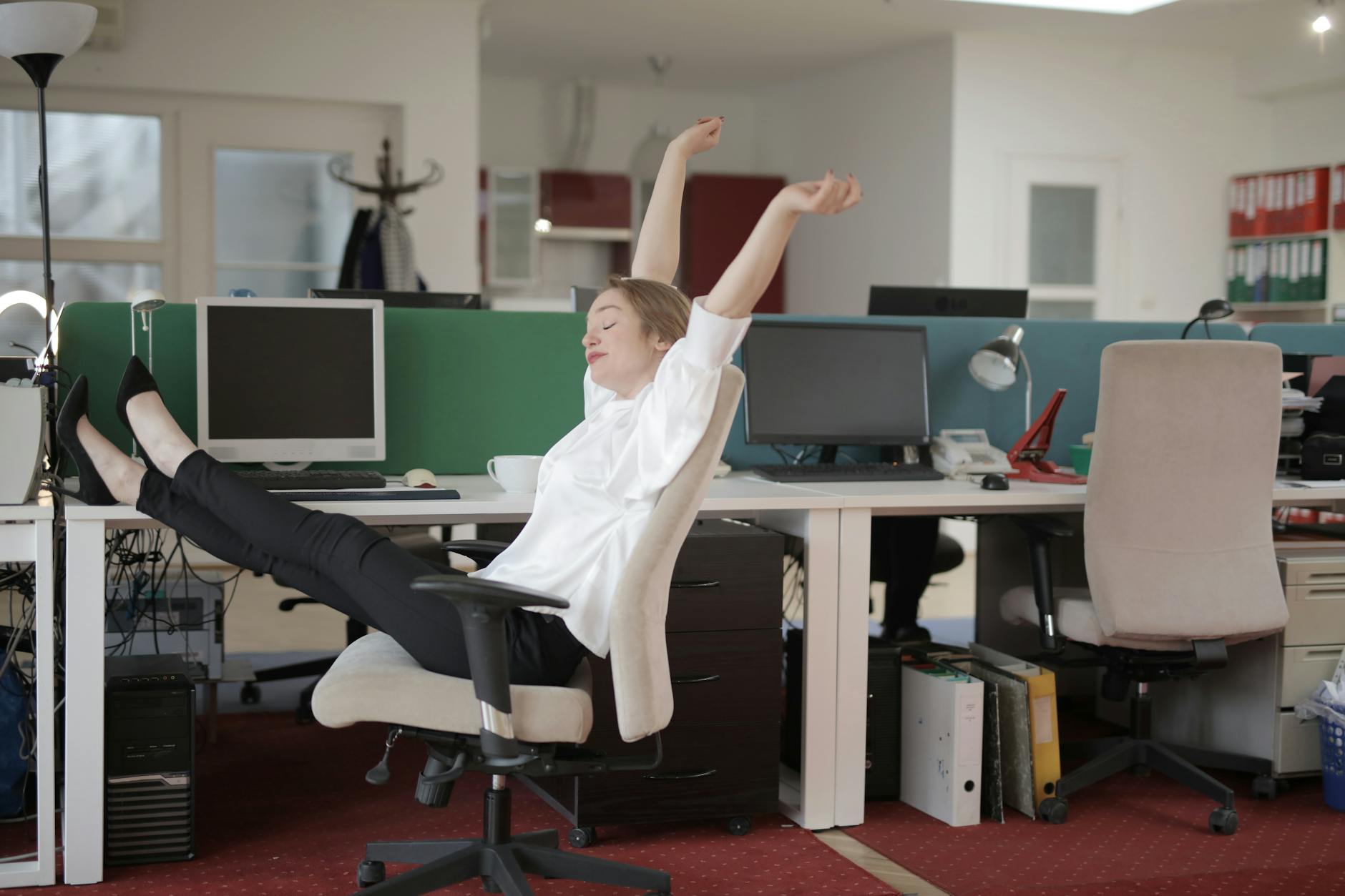 Simple Daily Stretches to Improve Desk Posture

 Simple Everyday Practices to Lower Stress Naturally

 Shoulder Stretches to Relieve Tension After Long Meetings
 A Practical Guide to Setting Up Your Desk for Comfort

 How to Keep Your Eyes Healthy When Using Screens
 Recovering After an Unfamiliar Workout: Practical Steps


 Effective Warm-Up Routines for Walking and Running
 Stay Active in Cold Weather: Tips for a Healthier Lifestyle
 Everyday Standing Habits to Improve Your Posture Naturally

 A Simple 5‑Minute Stretch to Keep Your Body Flexible Daily


