
Eating a balanced plate helps you get the nutrients your body needs without over‑eating. It is a simple visual guide that works for any cuisine. By dividing your plate into sections, you can see at a glance whether you have enough vegetables, protein, whole grains, and healthy fats.
Fill Half the Plate with Vegetables and Fruit
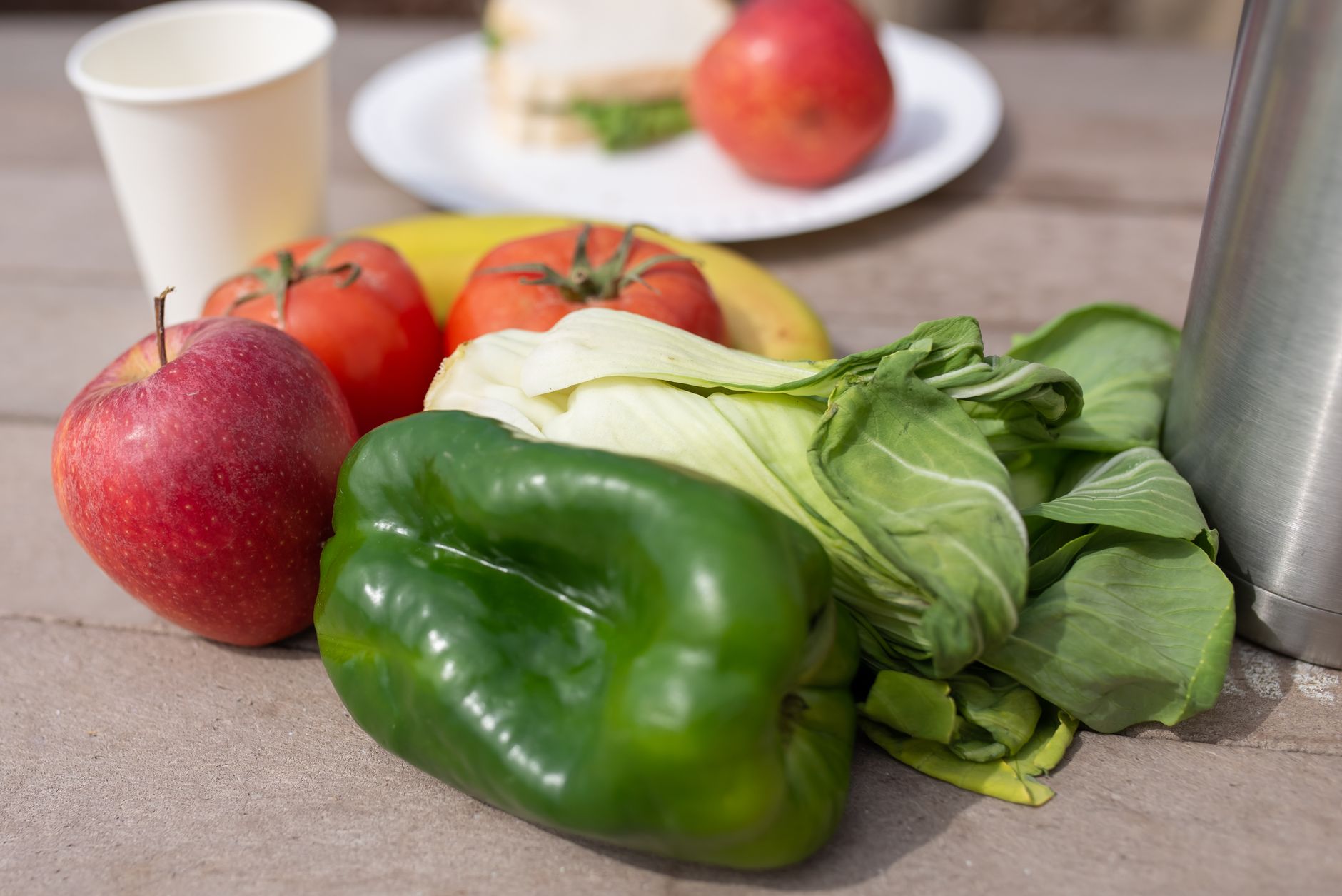
Start with vegetables and fruit because they provide vitamins, minerals, fiber, and water. Aim for a variety of colors and textures. Dark leafy greens, bright peppers, orange carrots, and juicy berries each bring different nutrients. A good rule of thumb is to fill roughly 50 % of your plate with these foods. If you prefer cooked vegetables, steam, roast, or stir‑fry them with a little oil and herbs for flavor.
Add a Quarter of Lean Protein
Protein supports muscle repair, hormone production, and immune function. Choose lean sources such as chicken breast, turkey, fish, tofu, beans, or lentils. A typical serving is about 3–4 oz cooked, which fits neatly into a quarter‑plate space. Plant‑based proteins also add fiber, which helps you stay full longer. Season protein with spices, citrus, or low‑sodium sauces to keep meals interesting.
Reserve the Remaining Quarter for Whole Grains or Starchy Vegetables
Complex carbohydrates give you steady energy. Pick whole‑grain options like brown rice, quinoa, whole‑wheat pasta, or barley. Starchy vegetables such as sweet potatoes, corn, or peas work as well. Aim for about a quarter of the plate, which translates to roughly half a cup cooked. Whole grains also provide B vitamins and additional fiber.
Include Healthy Fats in Small Amounts
Healthy fats improve nutrient absorption and add satiety. Add a drizzle of olive oil, a handful of nuts, or a slice of avocado. Keep the portion to about one to two teaspoons of oil or a small handful of nuts. These fats contain omega‑3 and omega‑6 fatty acids that support heart health.
Practical Tips for Everyday Use
Use a standard dinner plate as your guide. If you eat out, visualize the plate divisions before you order. Choose dishes that feature a protein, a vegetable side, and a whole‑grain base. When cooking at home, pre‑portion ingredients into containers that match the plate model. This habit reduces guesswork and helps you stay consistent.
Remember that beverages count too. Water, unsweetened tea, or low‑fat milk are good choices. Limit sugary drinks, as they add calories without nutrients. If you need a snack, follow the same principles: pair fruit with a small amount of nut butter or cheese with whole‑grain crackers.
Adjust the plate to fit your personal needs. Athletes may increase protein portions, while older adults might need more calcium‑rich foods. The balanced plate is flexible; it simply reminds you to include a variety of food groups in each meal.
By following these simple steps, you can create meals that are nutritious, satisfying, and easy to prepare. The visual cue of a balanced plate makes healthy eating less about counting calories and more about choosing the right foods in the right amounts.
Related reading
 Mastering Portion Control Without Using a Kitchen Scale
 Quick and Nutritious Lunches Ready in Fifteen Minutes
AI disclosure: this article was automatically drafted with AI assistance and reviewed before publishing. Written with AI assistance: openai/gpt-oss-120b. It is general information, not professional medical, financial or legal advice.


