Showing posts with label meal planning. Show all posts

Sunday, November 8, 2026

A Practical Guide to Efficient Grocery Shopping

A row of neatly arranged shopping carts in front of a green tiled wall with shadows.

Grocery shopping often feels like a chore. Many people wander through aisles without a clear goal. This leads to wasted time and extra spending. A simple plan changes this experience. You can save money and reduce stress with a few basic steps.

Prepare Your List Before You Leave

The foundation of a good trip is a solid list. Start by checking your pantry and refrigerator. Look at what you already have on hand. Write down the items you truly need to finish your meals. Do not rely on your memory alone. A written list keeps you focused on your requirements.

Organize your list by store layout. Group produce together. Put dairy items in another section. This prevents you from walking back and forth across the store. You will save time and avoid impulse buys. Stick to your list as much as possible. If an item is not on the list, consider if you really need it.

Plan Your Meals for the Week

Meal planning is the best way to guide your shopping. Choose three to five simple recipes for the week. Write down every ingredient required for these dishes. Check your cupboards for spices, oils, and staples. Only buy what you lack.

Consider your schedule when planning meals. Do not pick complex recipes for busy nights. Choose quick options for weekdays. Save elaborate cooking for the weekend. This approach ensures you use the food you buy. It also prevents food waste at the end of the week.

Keep a running list on your phone or a notepad. Add items as soon as you run out. This prevents last-minute trips to the store. Consistency is the key to a successful routine. Over time, this habit becomes second nature.

Shop with a Strategy

Timing matters when you visit the store. Avoid peak hours if you can. Early mornings or late evenings are often quiet. You can move through the aisles without crowds. This makes it easier to compare prices and read labels.

Eat a snack before you shop. Shopping while hungry often leads to poor choices. You might buy snacks you do not need. A full stomach helps you stay disciplined. Focus on the perimeter of the store first. This is where fresh produce, meat, and dairy live. These items form the base of healthy meals.

Compare unit prices on the shelf tags. The price per ounce or per count is the best metric. Do not just look at the total price of the package. Sometimes a larger container is cheaper per unit. Sometimes a smaller one is better for your needs. Use these numbers to make informed decisions.

Manage Your Inventory at Home

Your shopping trip does not end at the checkout. Proper storage helps your food last longer. Wash your produce and store it correctly. Keep your refrigerator organized so you see what you have. Use older items first to avoid spoilage.

Review your receipts occasionally. This helps you understand your spending habits. You might notice you buy too much of a certain item. Adjust your list for the next trip based on this data. Small adjustments lead to better results over time.

Keep your kitchen staples stocked. Items like rice, pasta, beans, and canned tomatoes are useful. They have a long shelf life. You can build a meal around these items when you are low on fresh food. This creates a safety net for your weekly planning.

Shopping with a plan is a skill. It takes practice to refine your process. Start with one or two of these tips. Add more as you get comfortable. You will soon find that grocery shopping is a manageable task. It becomes a simple part of your weekly routine rather than a source of stress.

Related reading

AI disclosure: this article was automatically drafted with AI assistance and reviewed before publishing. Written with AI assistance: gemini-3.1-flash-lite. It is general information, not professional medical, financial or legal advice.

Thursday, October 22, 2026

Practical Strategies for Simple Weeknight Dinners

Fresh garlic and lemon with olive oil bottles, perfect for Italian cuisine. Captures freshness and flavor.

Busy schedules often make cooking feel like a chore. Many people rely on takeout when time runs short. However, simple meals can be both nutritious and fast. You do not need complex recipes to feed yourself or your family well. Focus on basic techniques and pantry staples to save time.

Master the Art of Assembly

Cooking does not always require active heat. Assemble meals using pre-cooked or raw ingredients. A rotisserie chicken serves as a perfect base for many dishes. Shred the meat for tacos, salads, or wraps. Combine it with canned beans and jarred salsa for a quick meal. This approach removes the need for long prep times. Keep your pantry stocked with versatile items like rice, pasta, and canned vegetables. These ingredients provide a foundation for almost any dinner. You can build a balanced plate in minutes by mixing a protein, a grain, and a vegetable.

Utilize One-Pan Cooking Methods

Cleaning up often takes longer than the actual cooking process. One-pan meals minimize the number of dishes you must wash. Sheet pan dinners are particularly effective for busy evenings. Place chopped vegetables and proteins on a single tray. Drizzle them with oil and season them to your preference. Roast everything together until the food reaches the desired texture. This method works well for salmon, chicken thighs, or tofu. You can also use a single pot for soups or pasta dishes. Add your ingredients in stages to ensure everything cooks evenly. This technique keeps your kitchen tidy and reduces your total time in the room.

Embrace Batch Preparation

Preparation is the secret to a smooth week. Spend a small amount of time on the weekend to prep components. Wash and chop your vegetables ahead of time. Store them in clear containers in the refrigerator. When you arrive home, the hard work is already finished. You can also cook a large batch of grains like quinoa or brown rice. Use these grains throughout the week in different ways. They pair well with stir-fry vegetables or cold salad dressings. Having pre-cooked components reduces the mental load of deciding what to eat. You simply combine what you have on hand.

Keep Your Flavor Profile Simple

Complex sauces and long lists of spices can complicate cooking. Stick to a few reliable flavor combinations. Olive oil, lemon juice, and salt work on almost any vegetable. Soy sauce, ginger, and garlic create a quick stir-fry base. Dried herbs like oregano or thyme add depth to roasted meats. Do not feel pressured to try new, intricate recipes on your busiest days. Consistency helps you move faster in the kitchen. When you know how a dish tastes, you spend less time tasting and adjusting. Focus on high-quality ingredients rather than complex preparation. A fresh tomato with good olive oil and salt is often better than a complicated dish. Keep your kitchen tools accessible to avoid searching for items. A sharp knife and a sturdy cutting board are your most important assets. Maintain a clean workspace as you go to stay organized. These small habits make the process feel less overwhelming. Remember that the goal is to provide nourishment without adding stress to your day. Simple meals are a sustainable way to maintain a healthy routine. Start small by choosing one or two nights a week to practice these methods. Over time, these habits will become second nature.

Related reading

AI disclosure: this article was automatically drafted with AI assistance and reviewed before publishing. Written with AI assistance: gemini-3.1-flash-lite. It is general information, not professional medical, financial or legal advice.

Sunday, October 18, 2026

Step‑by‑Step Guide to Planning a Balanced Week of Meals

Close-up of a woman writing a weekly meal plan at home, promoting a healthy lifestyle.

Creating a weekly menu that feels balanced does not have to be overwhelming. By breaking the process into clear steps, you can save time, reduce waste, and enjoy varied nutrition every day. This guide walks you through the essential tasks, from assessing your needs to shopping efficiently and prepping smartly.

1. Assess Your Nutritional Goals and Schedule

Start by noting any dietary preferences, allergies, or health goals. Do you need more protein, fiber, or calcium? Write down a simple target, such as "include a lean protein at lunch" or "add a vegetable side to dinner." Next, map out your weekly calendar. Identify days with long work hours, evenings out, or travel. Knowing when you have time to cook helps you allocate quick meals for busy nights and more elaborate dishes for relaxed evenings.

2. Choose a Core Food Framework

Use the plate model as a quick reference: half vegetables and fruit, a quarter whole grains, and a quarter protein. Aim for a variety of colors each day to cover different micronutrients. Pick three to four staple proteins—chicken, beans, fish, tofu—and rotate them. Select two whole grains, such as brown rice and quinoa, and keep a list of favorite vegetables and fruits. This framework reduces decision fatigue while keeping meals balanced.

3. Draft a Rough Menu

Write a simple table with days across the top and meals down the side. Fill in breakfast, lunch, dinner, and one or two snacks per day. Keep the structure flexible; you can swap meals between days if needed. Example: Monday breakfast—overnight oats with berries; lunch—chickpea salad; dinner—grilled salmon with quinoa and broccoli. Repeat similar patterns, but vary the protein or vegetable to avoid monotony.

4. Build a Detailed Shopping List

Review your draft menu and list each ingredient once. Group items by store section: produce, dairy, pantry, frozen. Check your pantry for items you already have, such as spices or canned beans, and cross them off. This step prevents duplicate purchases and helps you stay within budget. Aim for fresh produce that can be used in multiple meals, like carrots for a snack, a stir‑fry, and a soup.

5. Schedule Prep Sessions

Allocate 1–2 hours on a low‑stress day, often Sunday, for batch cooking. Cook grains in bulk, roast a tray of mixed vegetables, and pre‑portion proteins. Store each component in airtight containers. You can also pre‑chop salad greens, wash berries, and portion nuts for snacks. Having these building blocks ready makes it easy to assemble meals quickly during the week.

6. Assemble Meals Efficiently

When it’s time to eat, combine your pre‑cooked items with fresh elements. A quick lunch might be a grain bowl: add cooked quinoa, roasted veggies, a handful of raw spinach, and a grilled chicken slice. Top with a simple vinaigrette. For dinner, heat a pre‑made sauce, toss in pre‑cooked protein and vegetables, and serve over rice. This method keeps cooking time under 30 minutes on most nights.Remember to keep a few pantry staples on hand for spontaneous meals. Items like canned tomatoes, broth, and dried herbs can turn leftovers into new dishes without extra shopping trips.

7. Review and Adjust

At the end of the week, note what worked and what didn’t. Did you finish all the roasted vegetables? Did a snack feel too heavy? Use these observations to tweak the next week’s plan. Small adjustments, such as swapping a heavy dinner for a lighter soup, improve satisfaction over time.

By following these steps, you create a repeatable system that balances nutrition, variety, and convenience. The effort you invest in planning and prep pays off with less stress, fewer last‑minute takeout orders, and a healthier plate every day.

Related reading

AI disclosure: this article was automatically drafted with AI assistance and reviewed before publishing. Written with AI assistance: openai/gpt-oss-120b. It is general information, not professional medical, financial or legal advice.

Thursday, October 15, 2026

Simple Weekly Meal Planning: Easy Recipes for Busy Lives

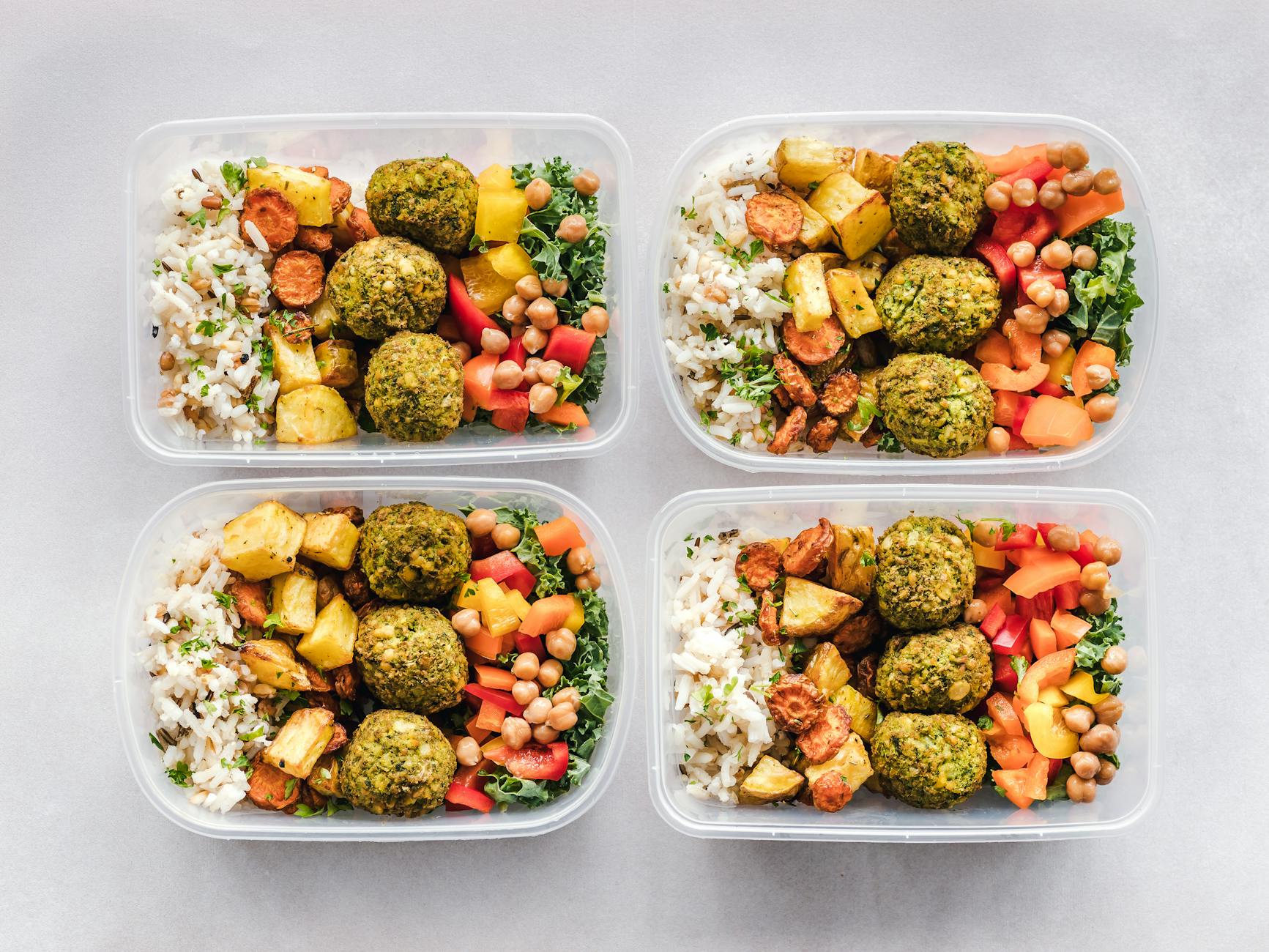
Colorful meal prep containers with falafel, chickpeas, rice, and vegetables for a healthy lifestyle.

Planning meals for the week can save time, reduce stress, and keep your diet balanced. By setting aside a short planning session, you create a clear roadmap for breakfast, lunch, dinner, and snacks. This approach also helps you shop efficiently and avoid last‑minute takeout.

Start with a Core Menu

Choose three to four main dishes that you can rotate. Pick recipes that share ingredients, such as chicken, rice, and seasonal vegetables. For example, a stir‑fry, a baked chicken sheet pan, a grain bowl, and a soup can all use the same base items. This reduces waste and cuts grocery costs.

Write each recipe on a simple list. Note the cooking time, required equipment, and any leftovers. Aim for dishes that finish in 30 minutes or less on busy nights. Include at least one vegetarian option to add variety.

Build a Shopping List by Category

After you have your core menu, break down the ingredients into categories: produce, proteins, grains, pantry, and dairy. Check your fridge and pantry for items you already have. Only add what you need to the list.

Group similar items together. For example, list all the vegetables for the stir‑fry, the sheet pan, and the grain bowl in one section. This makes the store trip faster and helps you avoid missing items.

Prep Ingredients in Advance

Set aside a couple of hours on a weekend or a free evening to prep. Wash and chop vegetables, cook a batch of rice or quinoa, and portion out proteins. Store each component in airtight containers. Label them with the date to keep track of freshness.

Pre‑cooked ingredients can be mixed and matched throughout the week. A roasted vegetable tray can become a side for dinner, a topping for a salad, or a filling for a wrap. This flexibility keeps meals interesting without extra effort.

Design Simple Daily Menus

With your core dishes and prepped ingredients ready, sketch a daily menu. Keep breakfast simple: oatmeal with fruit, yogurt with granola, or a quick smoothie. For lunch, use leftovers or assemble a grain bowl with pre‑cooked grains, protein, and fresh veggies.

Dinner can follow a pattern: stir‑fry on Monday, sheet‑pan chicken on Tuesday, soup on Wednesday, and so on. Add a side salad or steamed greens to each meal for extra nutrients. Reserve a night for a quick “no‑cook” option like a cheese board or a sandwich.

Stay Flexible and Adjust

Life can throw unexpected changes. If a dinner plan falls through, swap in a ready‑to‑eat salad or a frozen veggie stir‑fry. Keep a few pantry staples—canned beans, pasta, and tomato sauce—on hand for quick substitutions.

Review your plan at the end of the week. Note which meals were popular and which ingredients you didn’t use. Use this feedback to refine the next week’s menu, focusing on dishes you enjoy and ingredients that work well together.

By following these steps, you can create a simple, repeatable system for weekly meals. The process takes a small amount of time upfront but pays off with smoother evenings, healthier choices, and less food waste.

Related reading

AI disclosure: this article was automatically drafted with AI assistance and reviewed before publishing. Written with AI assistance: openai/gpt-oss-120b. It is general information, not professional medical, financial or legal advice.