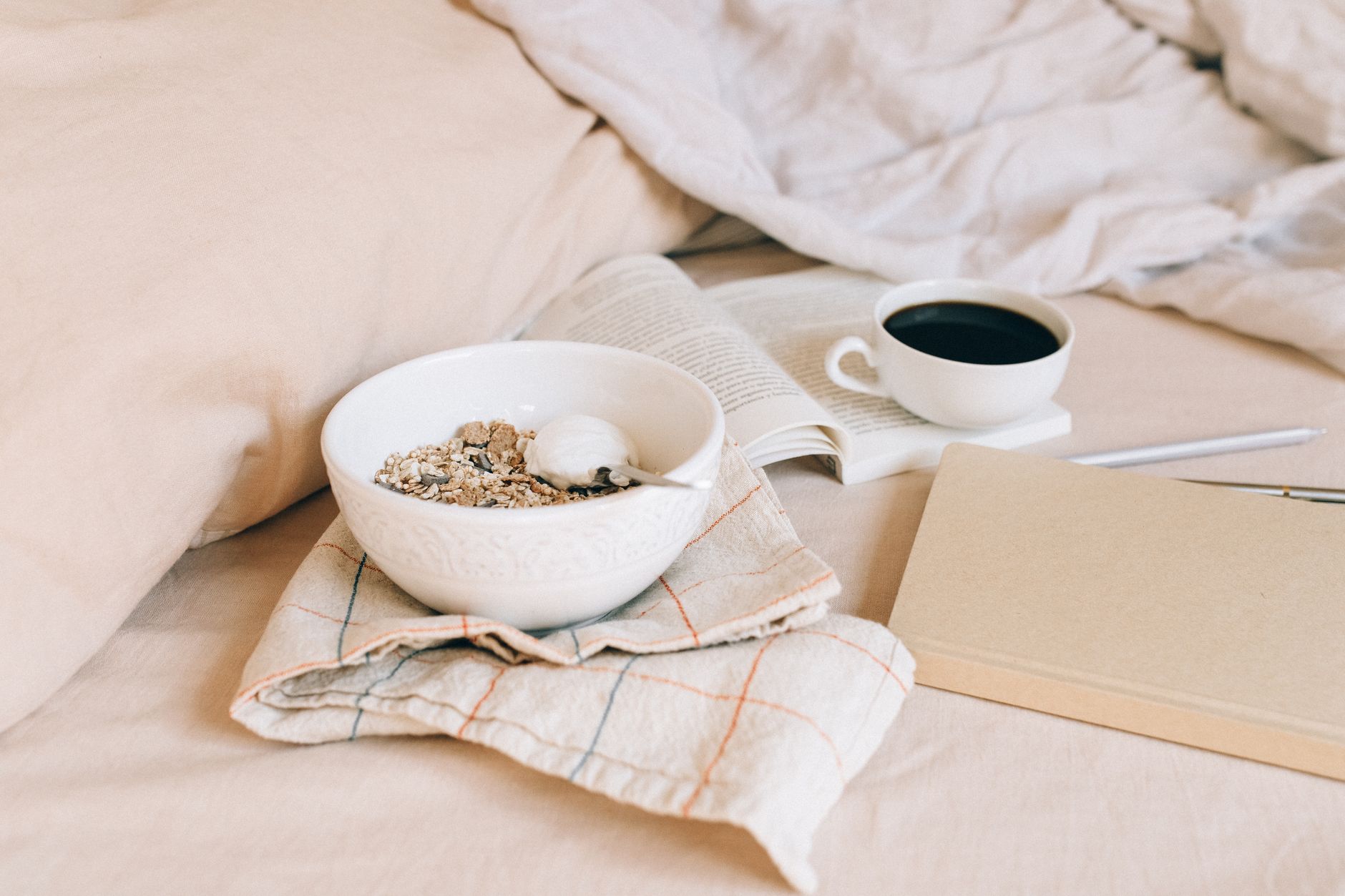
Keeping a food diary can help you notice patterns, improve nutrition, and reach health goals. Yet many people feel trapped by the process, fearing that every bite must be recorded perfectly. This article offers realistic strategies to track meals without turning the habit into an obsession.
Choose a Simple Recording Method
Start with a tool that feels natural. A paper notebook, a phone note, or a basic app can work. Avoid apps that demand calorie counts, macro breakdowns, or photo uploads if those features stress you. The goal is to capture the essentials: what you ate, when, and how you felt.
Set a limit on detail. Write "sandwich, turkey, lettuce, whole‑grain bread" instead of listing every ingredient. If you drink coffee, note "coffee with milk" rather than measuring each ounce. This reduces the time spent on each entry and keeps the focus on overall trends.
Establish a Consistent, Low‑Pressure Routine
Pick a time that fits your daily flow. Many people find it easiest to log meals right after eating, while the memory is fresh. Others prefer a quick end‑of‑day review. Choose one approach and stick to it for a week, then adjust if needed.
Limit entries to three per day: breakfast, lunch, and dinner. Snacks can be added only when they feel significant, such as a large portion or a new food you want to remember. This prevents the diary from becoming a constant task.
Focus on Patterns, Not Perfection
After a week, glance at your entries. Look for recurring meals, times when you feel energized, or moments of overeating. You do not need to calculate exact nutrients; noticing that you feel sluggish after a heavy dinner is enough insight.
If you miss a day, do not restart the whole process. Simply resume tomorrow. One missed entry does not erase the value of the rest of the data. Treat the diary as a guide, not a judge.
Use Gentle Reminders and Positive Language
Set a soft reminder on your phone, such as a calm alarm at lunch and dinner. Avoid harsh alerts that sound like a task manager. When you write, use neutral or positive words: "had a satisfying salad" instead of "only ate a salad".
Celebrate small wins. If you notice you chose a fruit instead of a sugary snack, note the choice without self‑criticism. Positive reinforcement keeps the habit enjoyable.
Integrate the Diary Into Your Lifestyle
Link the diary to an existing habit. For example, write your entry while you brush your teeth at night or while you sip tea in the morning. This pairing makes the action automatic and reduces mental load.
Share insights with a friend or family member if you feel comfortable. A brief conversation about what you learned can reinforce accountability without turning the diary into a public performance.
Remember that the purpose of a food diary is to inform, not to control. By keeping entries brief, setting realistic limits, and focusing on overall patterns, you can gain useful awareness without becoming fixated on every morsel. Over time, the habit becomes a gentle check‑in rather than a demanding task, supporting healthier choices while preserving mental peace.
Related reading
 Practical Ways to Improve Your Daily Water Intake
 How to Distinguish Between Physical Hunger and Habit
AI disclosure: this article was automatically drafted with AI assistance and reviewed before publishing. Written with AI assistance: openai/gpt-oss-120b. It is general information, not professional medical, financial or legal advice.


