
Many people eat without thinking. You might reach for a snack while watching television or during a stressful work meeting. This behavior often stems from habit rather than a true need for fuel. Learning to identify physical hunger helps you make better choices for your body. It allows you to distinguish between a biological signal and a learned routine.
Understanding Physical Hunger Signals
Physical hunger develops gradually. It usually arrives several hours after your last meal. You might feel a hollow sensation in your stomach. Some people experience a slight drop in energy or a growl in their belly. These signals are your body’s way of asking for nutrients. When you are truly hungry, most foods sound appealing. You are likely to feel satisfied after eating a balanced meal. The sensation disappears once you provide your body with fuel.
Physical hunger does not demand a specific item. You do not crave a particular brand of chips or a sugary treat. Instead, you seek sustenance. If you would be happy eating a piece of fruit or a bowl of vegetables, you are likely experiencing genuine hunger. Pay attention to these subtle cues throughout the day. They provide the most accurate information about your internal state.
Identifying Habitual Eating Patterns
Habitual eating often appears suddenly. It is usually triggered by external factors rather than internal needs. You might eat because the clock shows noon or because you see a box of cookies on the counter. This type of hunger feels urgent. It often centers on a specific food item. You might crave something salty, crunchy, or sweet. This is a strong indicator that your brain is seeking a reward rather than energy.
Emotional states also drive habitual eating. Stress, boredom, or sadness can trigger a desire to eat. You might find yourself in the kitchen when you feel overwhelmed. In these moments, you are not looking for fuel. You are looking for comfort or a distraction. If you find yourself eating while distracted, you are likely following a habit. You might finish an entire bag of snacks without noticing the taste. This lack of awareness is a hallmark of habitual behavior.
The Role of Mindful Observation
The best way to tell the difference is to pause. When you feel the urge to eat, stop for a moment. Ask yourself if you are truly hungry. Rate your hunger on a scale from one to ten. If you are at a three or lower, you might need a meal. If you are at a seven or higher, you are likely eating for another reason. This simple pause creates space between the impulse and the action.
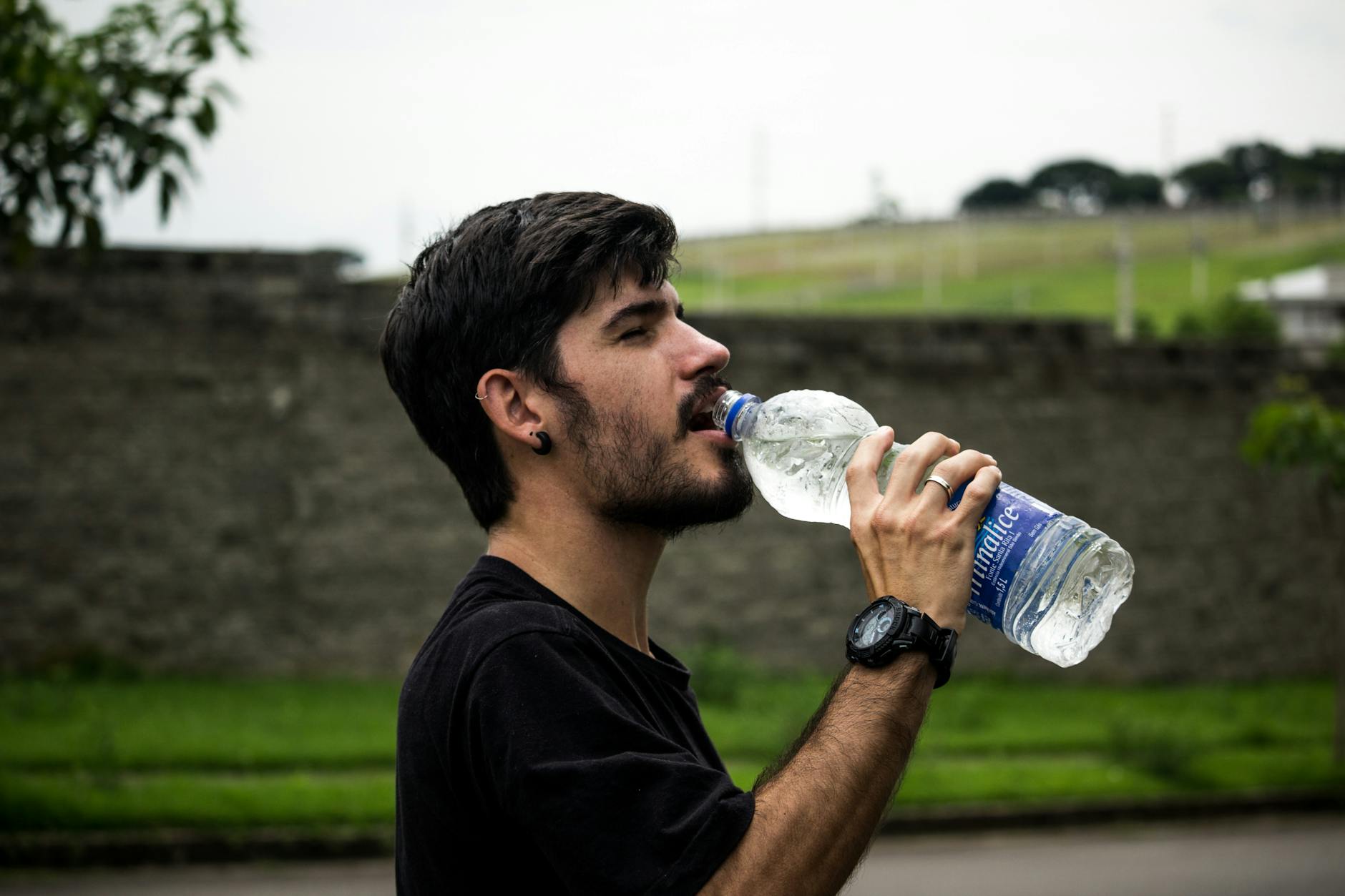
Drink a glass of water first. Sometimes, the body confuses thirst with hunger. Wait ten minutes after drinking. If the urge to eat fades, you were likely just thirsty. If the urge remains, consider what you want to eat. If you only want a specific treat, it is likely a habit. If you are willing to eat a nutritious meal, it is likely physical hunger. This test is a reliable tool for daily practice.
Building New Patterns
You can change your eating habits over time. Start by removing common triggers from your environment. If you always eat while watching television, try eating at the table instead. This change breaks the association between the screen and the snack. Focus on the texture and flavor of your food. Eating slowly helps you recognize when you are full. It also makes the experience more satisfying.
Plan your meals in advance to avoid impulsive choices. When you have healthy options ready, you are less likely to rely on habits. Keep a journal for a few days to track your eating patterns. Note the time, the food, and your mood. You will likely see clear trends emerge. You might notice that you eat out of boredom every afternoon at three o'clock. Once you identify the pattern, you can replace it with a new activity. Take a short walk or drink a cup of tea instead.
Be patient with yourself during this process. Habits take time to form and even longer to break. Do not aim for perfection. Focus on becoming more aware of your body. Every time you choose to pause, you strengthen your ability to listen to your needs. Over time, you will find it easier to distinguish between the two. You will eat when you need fuel and find other ways to manage your emotions. This shift leads to a more balanced relationship with food.
Related reading
 Practical Strategies for Keeping Healthy Snacks Accessible
 Simple Strategies to Increase Your Daily Water Intake
AI disclosure: this article was automatically drafted with AI assistance and reviewed before publishing. Written with AI assistance: gemini-3.1-flash-lite. It is general information, not professional medical, financial or legal advice.


0 comments:
Post a Comment