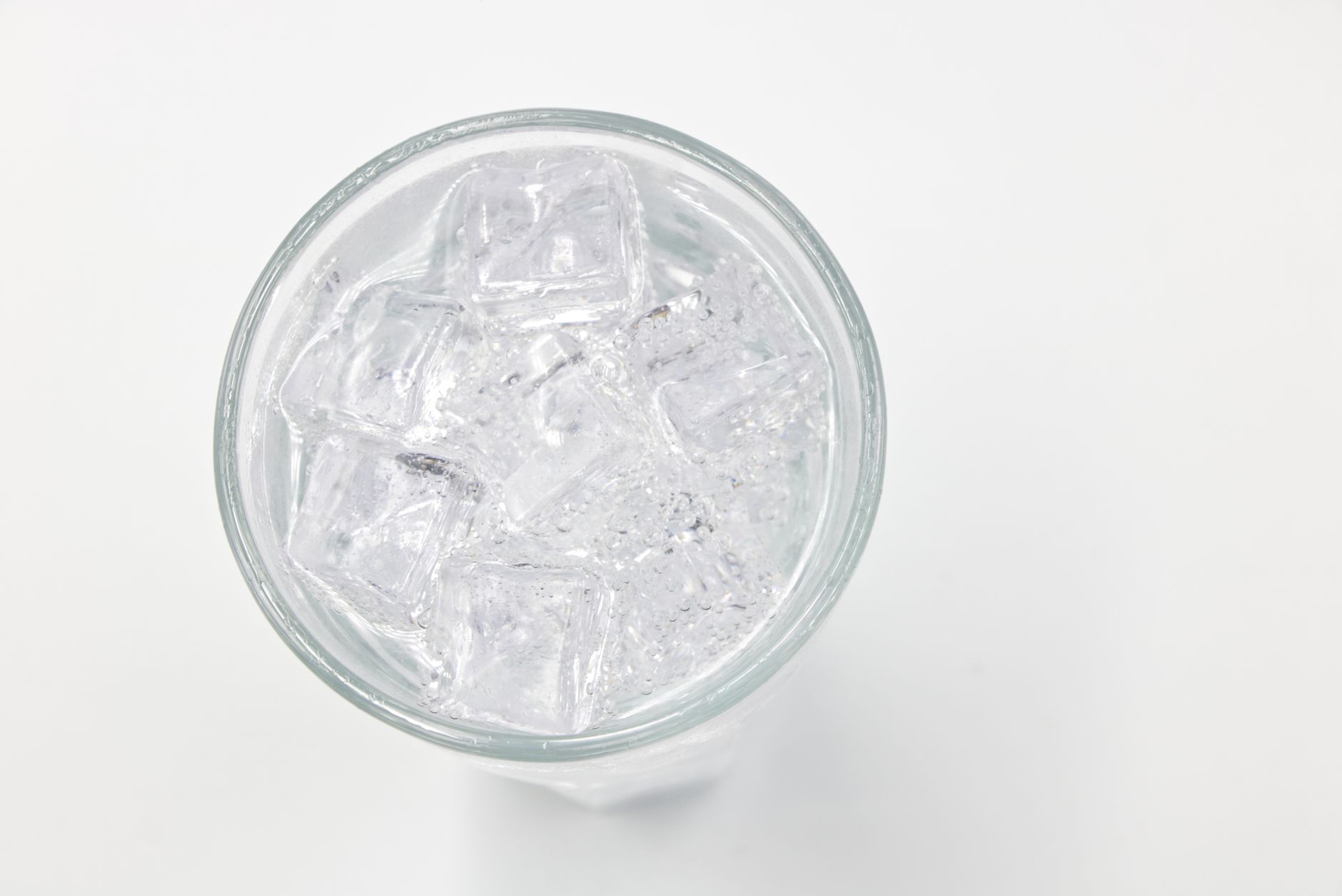
High temperatures increase the body's need for fluids. When the air warms up, your body works harder to maintain a stable internal temperature. It releases moisture through the skin to cool you down. This process, known as sweating, depletes your fluid levels. Replacing these fluids is essential for physical comfort and daily function. Consistent hydration supports your energy levels and helps your body manage heat stress effectively.
Monitor Your Fluid Intake
Thirst is a primary signal that your body needs water. However, you should not wait until you feel thirsty to drink. By the time thirst arrives, your body may already be slightly dehydrated. Aim to drink water at regular intervals throughout the day. Keep a reusable bottle nearby as a visual reminder. If you find plain water unappealing, add slices of cucumber, lemon, or mint for flavor. These additions make drinking water more enjoyable without adding sugar or caffeine. Caffeine and alcohol can act as diuretics, which may increase fluid loss. Limit these beverages when the weather is particularly hot.
Choose Hydrating Foods
Water intake does not come solely from liquids. Many fruits and vegetables contain high water content. Incorporating these foods into your meals provides a secondary source of hydration. Watermelon, strawberries, and cantaloupe are excellent choices during summer months. Cucumbers, celery, zucchini, and bell peppers also offer high water volume. These foods provide essential vitamins and minerals alongside hydration. Eating a salad with leafy greens or a bowl of chilled fruit serves as a refreshing snack. These options help you maintain fluid balance while providing necessary nutrients for your daily activities.
Adjust for Physical Activity
Exercise increases your body temperature and accelerates fluid loss. If you plan to be active outdoors, you must adjust your hydration habits. Drink water before, during, and after your workout. If you engage in intense exercise for more than an hour, consider an electrolyte replacement drink. These drinks help replenish sodium and potassium lost through sweat. Avoid heavy exercise during the hottest parts of the day. Plan your outdoor tasks for the early morning or late evening when temperatures are lower. Wear lightweight, breathable clothing to help your body cool itself more efficiently. If you feel dizzy or lightheaded, stop your activity immediately. Move to a shaded area and drink water slowly to recover.
Recognize Signs of Dehydration
Understanding the signs of dehydration helps you take action quickly. Dark-colored urine is a common indicator that you need more fluids. Other signs include dry mouth, fatigue, and a mild headache. If you notice these symptoms, increase your water intake immediately. Move to a cooler environment to reduce the strain on your body. Pay close attention to children and older adults, as they may not always recognize the signs of dehydration. Encourage them to drink water frequently, even if they do not express thirst. By staying proactive, you can enjoy the warm weather safely. Consistent habits and awareness are the best tools for maintaining proper hydration throughout the summer season.
Related reading
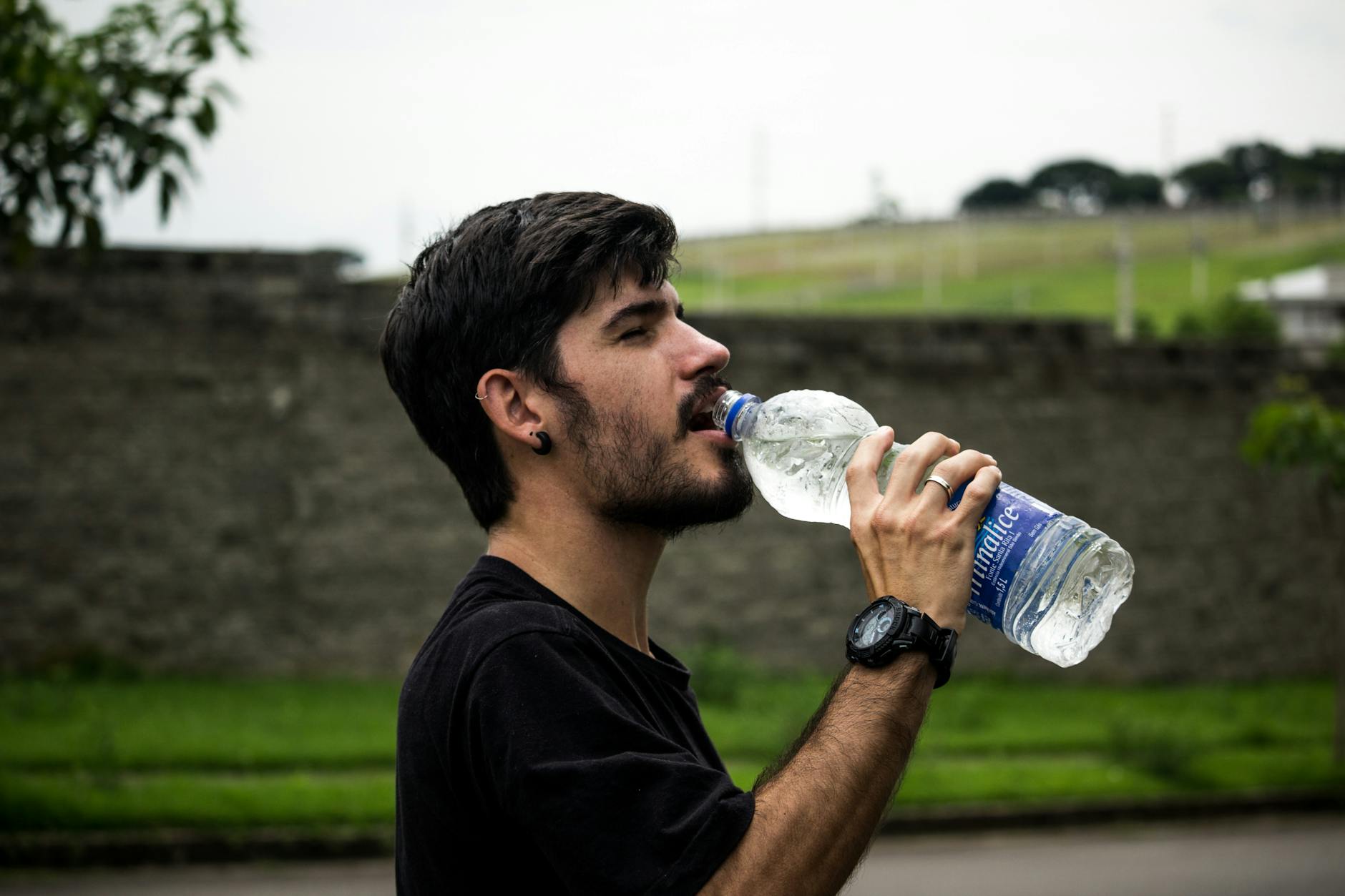 Simple Strategies to Increase Your Daily Water Intake
 Staying Hydrated: Practical Tips for Busy Days
AI disclosure: this article was automatically drafted with AI assistance and reviewed before publishing. Written with AI assistance: gemini-3.1-flash-lite. It is general information, not professional medical, financial or legal advice.


0 comments:
Post a Comment