Standing for long shifts places significant stress on the feet, legs, and lower back. Many workers experience fatigue or soreness after several hours on their feet. Managing this discomfort requires a combination of proper footwear, movement, and environmental adjustments. These strategies help distribute pressure more evenly across the body.
Select the Right Footwear
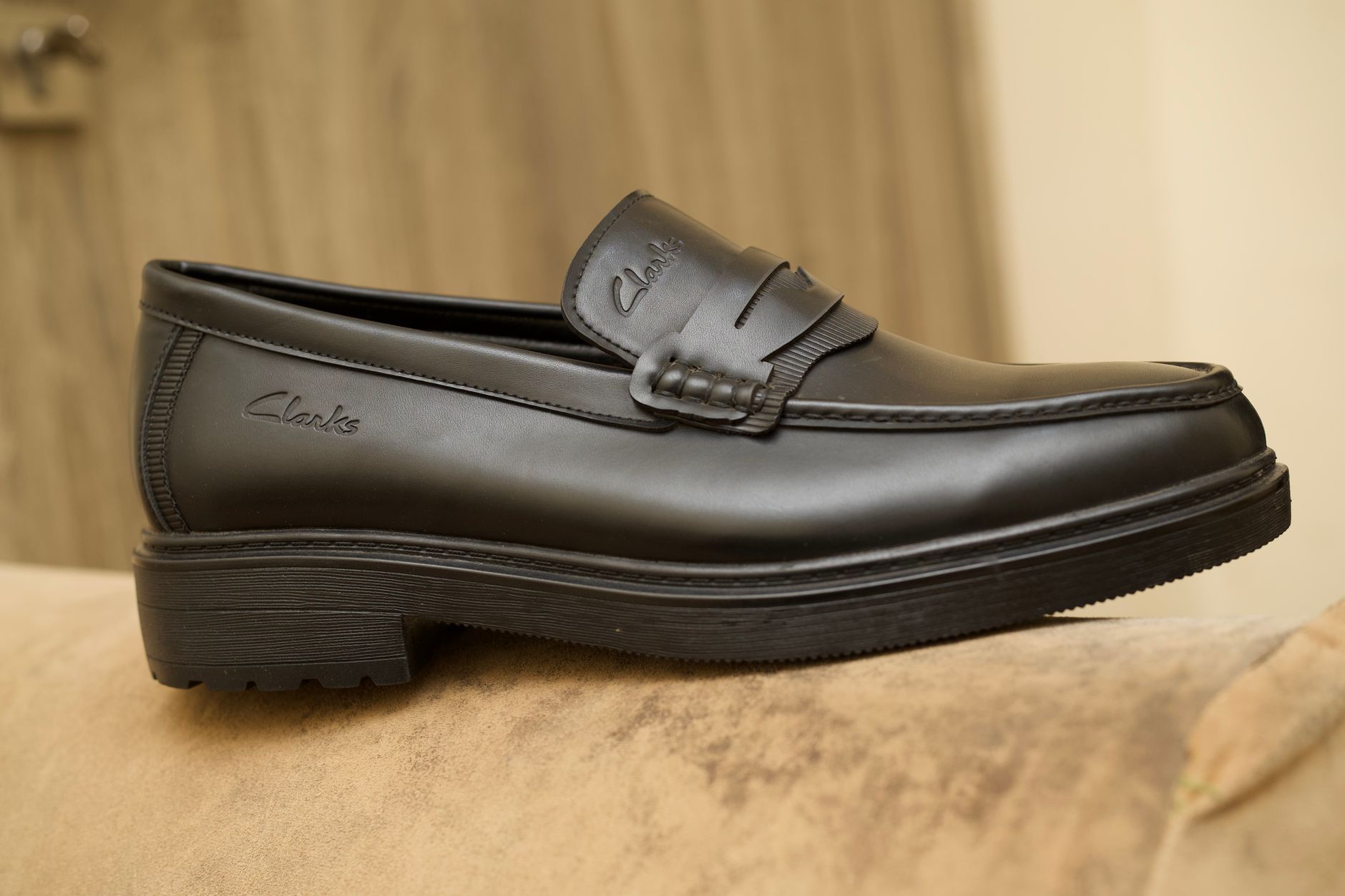
Footwear serves as the primary foundation for standing comfort. Shoes should provide adequate arch support to maintain the natural alignment of the foot. A firm midsole helps absorb the impact of hard surfaces like concrete or tile. Avoid completely flat shoes, as they often lack the necessary structure to support the arches during extended periods of standing.
The fit of the shoe matters as much as the design. Ensure there is enough room in the toe box for the toes to wiggle freely. Tight shoes restrict circulation and increase pressure points. Replace shoes regularly once the cushioning wears down. Worn-out soles lose their ability to provide shock absorption, which increases the strain on your joints.
Incorporate Movement and Stretching
Static standing is often more tiring than walking. When you stand still, your muscles remain in a fixed position, which reduces blood flow. Shift your weight from one foot to the other frequently to keep muscles active. Small movements prevent the pooling of blood in the lower extremities.
Take short breaks to stretch your calves and hamstrings throughout the day. Simple movements like calf raises or ankle circles improve circulation. If your workplace allows, walk a few steps every hour. These brief periods of activity help reset your posture and relieve tension in the lower body. Consistent movement prevents the muscles from becoming overly stiff.
Optimize Your Standing Environment
The surface you stand on significantly impacts your comfort levels. Hard floors offer no give, forcing your feet to absorb all the impact. Anti-fatigue mats provide a cushioned surface that encourages subtle muscle adjustments. These mats reduce the pressure on the heels and the balls of the feet.
If you work at a desk, consider an adjustable standing desk. This allows you to alternate between sitting and standing positions. Changing your posture every hour prevents the buildup of fatigue in specific muscle groups. Ensure your workstation is set to the correct height. Your elbows should rest at a ninety-degree angle to maintain a neutral spine position.
Maintain Proper Posture
Posture influences how weight is distributed across your feet. Keep your head aligned over your shoulders and your shoulders over your hips. Avoid locking your knees, as this puts unnecessary strain on the joint. Keep a slight bend in the knees to maintain flexibility and support.
Distribute your weight evenly across both feet rather than leaning on one side. Leaning creates an imbalance that leads to hip and back discomfort over time. Engage your core muscles slightly to support your spine. Good posture reduces the effort required to stay upright and minimizes muscle fatigue.
Manage Recovery After Work
Recovery is a vital part of maintaining foot health. Elevate your feet above the level of your heart for ten to fifteen minutes after a long shift. This helps reduce swelling and improves circulation. Use a foam roller or a tennis ball to massage the arches of your feet. This releases tension in the plantar fascia and relaxes tight muscles.
Soaking your feet in cool or warm water can also provide relief. Cool water helps reduce inflammation, while warm water relaxes sore muscles. Listen to your body and address soreness early. Consistent self-care routines help you manage the demands of a standing job more effectively. By combining supportive gear with healthy habits, you can improve your daily comfort and long-term well-being.
Related reading
 Practical Strategies to Reduce Daily Desk Sitting Time
 Practical Strategies for Returning to Sleep at Night
AI disclosure: this article was automatically drafted with AI assistance and reviewed before publishing. Written with AI assistance: gemini-3.1-flash-lite. It is general information, not professional medical, financial or legal advice.


0 comments:
Post a Comment