
Food packaging often features bold claims designed to catch your eye. Terms like natural, light, or heart-healthy appear on many boxes. These marketing phrases differ significantly from the official Nutrition Facts panel. Understanding how to read the fine print helps you make informed choices at the grocery store.
Understanding the Nutrition Facts Panel
The Nutrition Facts panel is the most reliable source of information on any package. It follows a standardized format regulated by government agencies. Always start by checking the serving size at the top of the label. Manufacturers often list values for a single serving, which may be smaller than the entire package. If you eat more than the listed serving, you must multiply the nutrients accordingly.
Next, look at the calories per serving. This number tells you the energy content of that specific portion. Below the calories, you will find a list of nutrients. Pay attention to saturated fats, sodium, and added sugars. Health organizations often suggest limiting these components. Conversely, look for dietary fiber, vitamin D, calcium, iron, and potassium. These nutrients support various bodily functions.
The Percent Daily Value (%DV) column provides context for these numbers. It shows how much a nutrient in one serving contributes to a total daily diet. A value of 5% or less is considered low, while 20% or more is considered high. Use these percentages to compare similar products quickly. If you want more fiber, choose the item with a higher %DV for that nutrient.
Decoding Marketing Claims
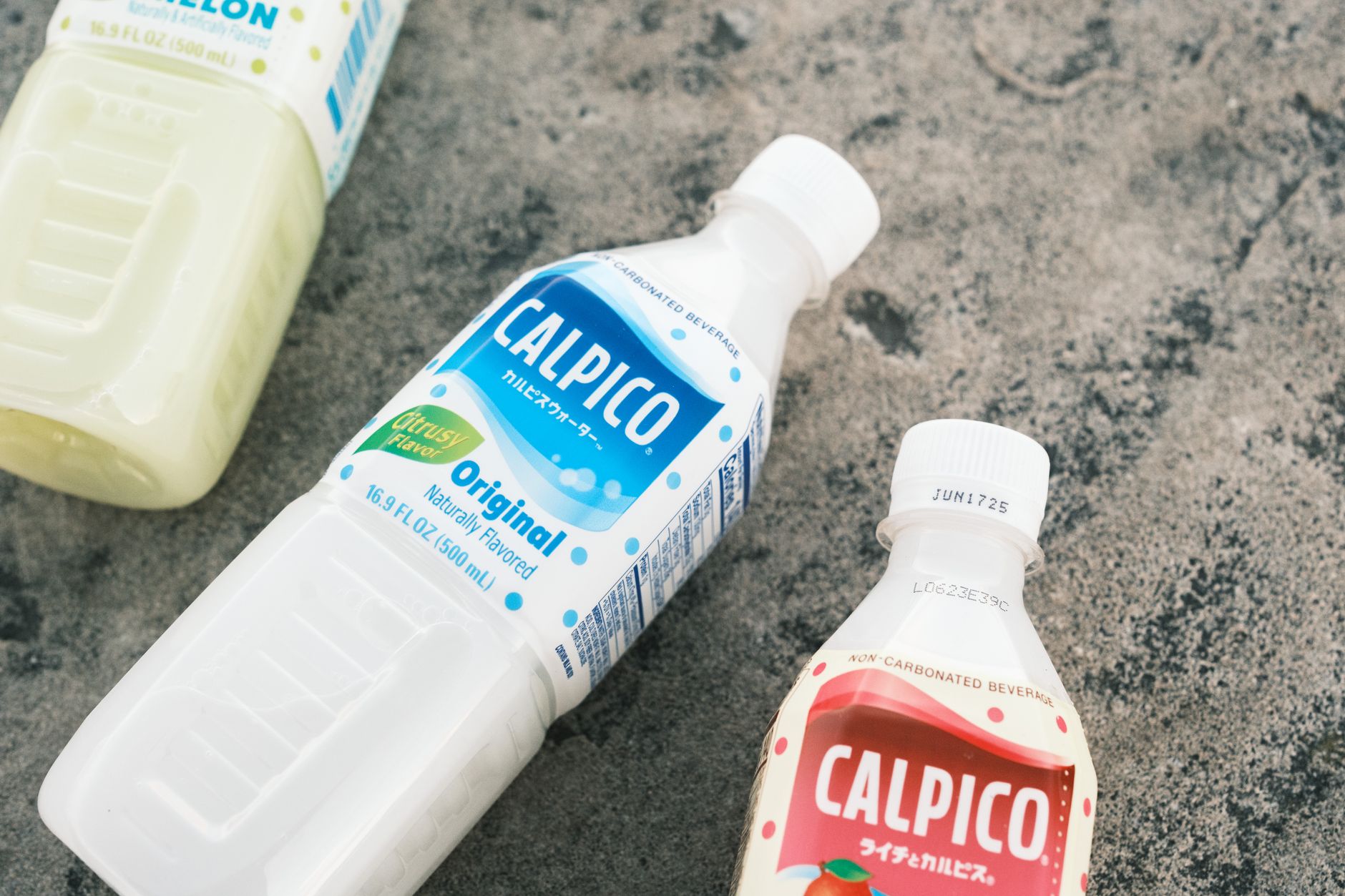
Front-of-package claims often highlight specific ingredients or health benefits. These phrases are marketing tools rather than medical advice. For example, the term natural lacks a strict, universal definition in many jurisdictions. It does not guarantee that a product is healthy or minimally processed. Always flip the package over to verify the ingredients list.
Labels claiming low fat or reduced sugar can also be misleading. When companies remove fat, they often add sugar or thickeners to maintain texture and flavor. Similarly, reduced sugar products might contain artificial sweeteners or higher fat content. Do not assume that a product is inherently healthy just because it highlights one positive attribute. Compare the full ingredient list and the nutrition panel to see the complete picture.
Watch for claims like organic or non-GMO. These labels describe how the food was grown or produced. They do not necessarily indicate the nutritional quality of the item. An organic cookie still contains sugar and calories. Focus on the overall nutrient profile rather than a single certification label.
Analyzing the Ingredient List
The ingredient list is a powerful tool for understanding what is inside your food. Manufacturers must list ingredients in descending order by weight. The first few items make up the bulk of the product. If sugar or refined flour appears at the top, the product is primarily composed of those ingredients.
Look for short, recognizable ingredient lists. Products with long lists of chemical names or additives are often highly processed. While additives serve functional purposes like preservation or texture, they do not add nutritional value. If you cannot identify an ingredient, consider whether you want it in your regular diet.
Be aware of the many names for added sugars. Manufacturers use terms like high-fructose corn syrup, cane juice, dextrose, and maltose. These are all forms of sugar that contribute to your daily intake. Recognizing these names helps you identify hidden sweeteners in items like bread, sauces, and yogurt.
Making Better Choices
You do not need to memorize every detail of every label. Start by focusing on one or two areas that matter most to you. Perhaps you want to reduce your sodium intake or increase your fiber consumption. Use the label to find products that align with those specific goals.
Practice reading labels on items you buy frequently. You might be surprised by the differences between brands of the same product. One brand of pasta sauce might have significantly more added sugar than another. Small adjustments in your choices add up over time.
Finally, remember that whole foods often require no labels at all. Fresh vegetables, fruits, legumes, and grains provide essential nutrients without marketing claims or ingredient lists. Prioritizing these items simplifies your shopping experience. Use labels to navigate processed foods, but rely on whole foods as the foundation of your diet. This balanced approach helps you maintain control over what you eat every day.
Related reading
 Understanding Food Labels: A Guide to Nutrition Facts
 How to Read Food Labels Without Feeling Overwhelmed
AI disclosure: this article was automatically drafted with AI assistance and reviewed before publishing. Written with AI assistance: gemini-3.1-flash-lite. It is general information, not professional medical, financial or legal advice.


0 comments:
Post a Comment