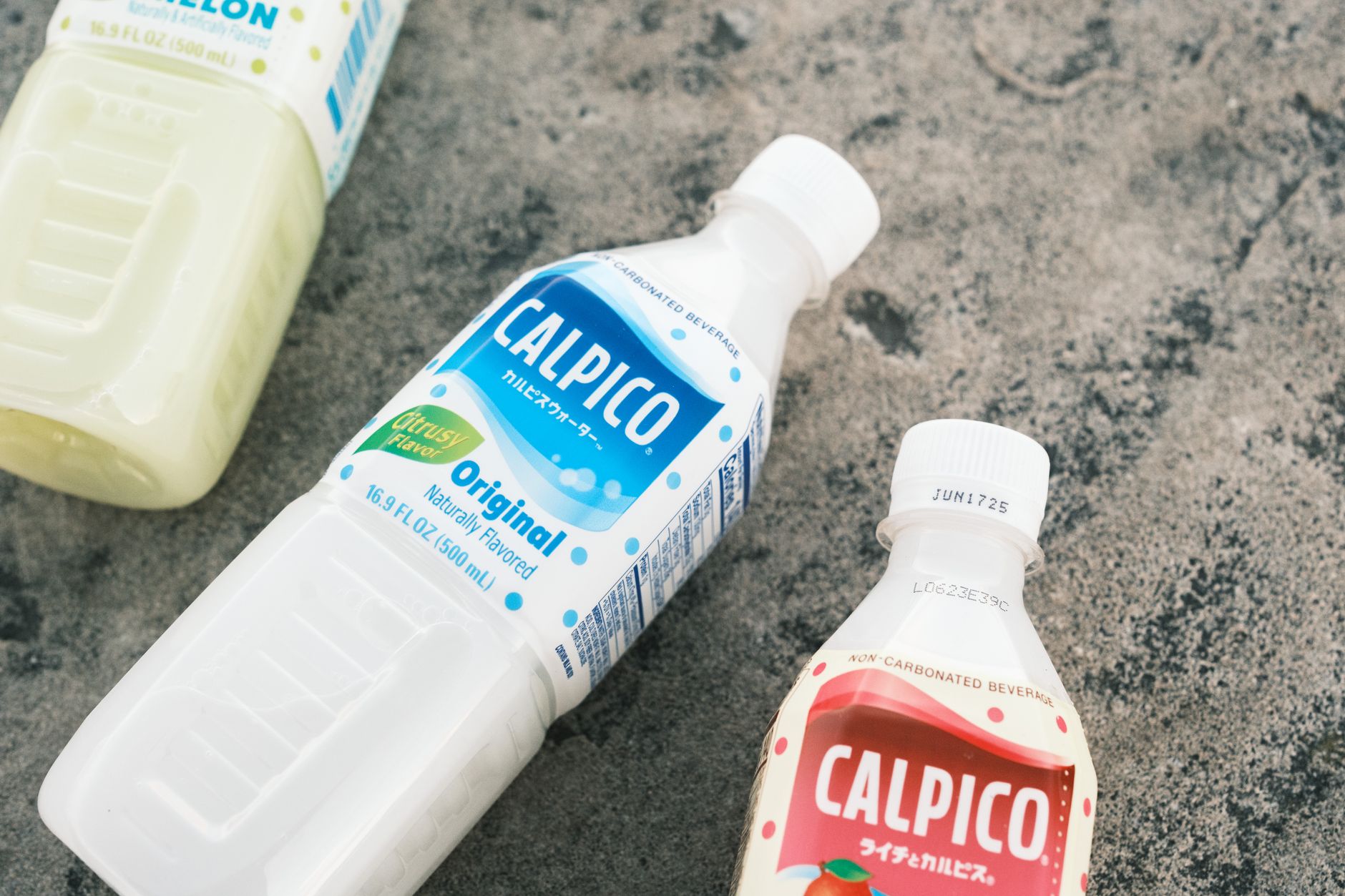
Grocery stores contain thousands of packaged items. Each package carries a nutrition facts label. These labels provide data about the contents of the food. Learning to read these numbers helps you understand what you consume. You can make informed choices by looking at specific sections of the label.
Serving Size and Servings Per Container
The label starts with the serving size. This is the amount of food that one serving represents. Manufacturers base all other numbers on this specific amount. Check the servings per container next. A package might contain multiple servings. If you eat the whole package, you must multiply the numbers by the total servings. Many people overlook this detail. It changes the total intake of calories and nutrients significantly.
Calories and Daily Value
Calories measure the energy provided by the food. The label lists calories per serving. This number helps you track your energy intake throughout the day. Below the calories, you find the Percent Daily Value (%DV). This percentage shows how much a nutrient in one serving contributes to a total daily diet. The %DV uses a standard 2,000-calorie diet as a baseline. Five percent or less is considered low. Twenty percent or more is considered high. Use these percentages to compare different products quickly.
Understanding Macronutrients
The label breaks down macronutrients into fats, carbohydrates, and proteins. Total fat includes saturated fat and trans fat. Experts often suggest limiting saturated fats. Trans fats are usually listed separately. Check these numbers to monitor your fat intake. Carbohydrates include dietary fiber, total sugars, and added sugars. Fiber supports digestion. Added sugars are sugars manufacturers include during processing. You should distinguish between natural sugars and added sugars. Protein is also listed in grams. Your body uses protein to build and repair tissues. These three categories form the core of your nutritional intake.
Vitamins and Minerals
The bottom section of the label lists essential vitamins and minerals. Common entries include Vitamin D, calcium, iron, and potassium. These nutrients support various bodily functions. The label shows the amount in milligrams or micrograms. It also provides the %DV for these items. This section helps you identify if a food provides significant amounts of necessary nutrients. Some products are fortified with extra vitamins. Check this list to see if a food helps you meet your personal nutritional goals.
The Ingredient List
The ingredient list appears below the nutrition facts table. Manufacturers list ingredients by weight. The first ingredient makes up the largest portion of the product. The last ingredient makes up the smallest portion. Read this list to identify specific components. It helps you spot allergens or ingredients you wish to avoid. Some labels include long chemical names. These are often preservatives or additives. A shorter list often indicates a less processed food. Use the ingredient list alongside the nutrition facts to get a complete picture of the product.
Practical Tips for Shopping
Compare labels between similar products. Look for items with lower amounts of added sugars and sodium. Choose products with higher fiber content when possible. Do not rely solely on front-of-package claims. Marketing terms like natural or healthy do not always reflect the full nutritional profile. Always turn the package over to read the official label. Practice reading labels during your regular shopping trips. It becomes easier with time. You will soon recognize patterns in the foods you buy. This habit empowers you to select items that align with your dietary preferences. Consistent label reading builds your knowledge of food composition. It turns a quick trip to the store into a more thoughtful experience. Focus on the facts provided by the label to guide your decisions. Small changes in your choices can lead to a better understanding of your overall diet.
Related reading
 How to Read Food Labels Without Feeling Overwhelmed
 Healthy Eating on a Budget: Tips and Tricks
AI disclosure: this article was automatically drafted with AI assistance and reviewed before publishing. Written with AI assistance: gemini-3.1-flash-lite. It is general information, not professional medical, financial or legal advice.


0 comments:
Post a Comment