
Finding time for exercise can feel impossible when schedules are packed. Yet a short, consistent stretch routine can improve posture, reduce tension, and boost energy without demanding a gym membership. The key is choosing a movement that is easy to remember, takes only a few minutes, and fits naturally into daily life. Below is a step‑by‑step guide to a five‑minute stretch you can do at home, at the office, or even while waiting for a coffee.
Why a Daily Stretch Works
When you repeat a movement each day, your muscles learn to stay supple. Small improvements add up, making it less likely that you will feel stiff after long periods of sitting. A brief routine also signals to your brain that you value self‑care, which can improve focus and mood. Because the stretch takes only five minutes, it avoids the common excuse of “no time.”
The Five‑Minute Routine
All you need is a chair and a little space. Perform each step slowly, breathing naturally. Hold each position for 30 seconds, then transition smoothly to the next.
- Neck Release: Sit upright, shoulders relaxed. Gently tilt your right ear toward your right shoulder. Use your right hand to apply a light pressure on the left side of the head, deepening the stretch. Switch sides after 30 seconds.
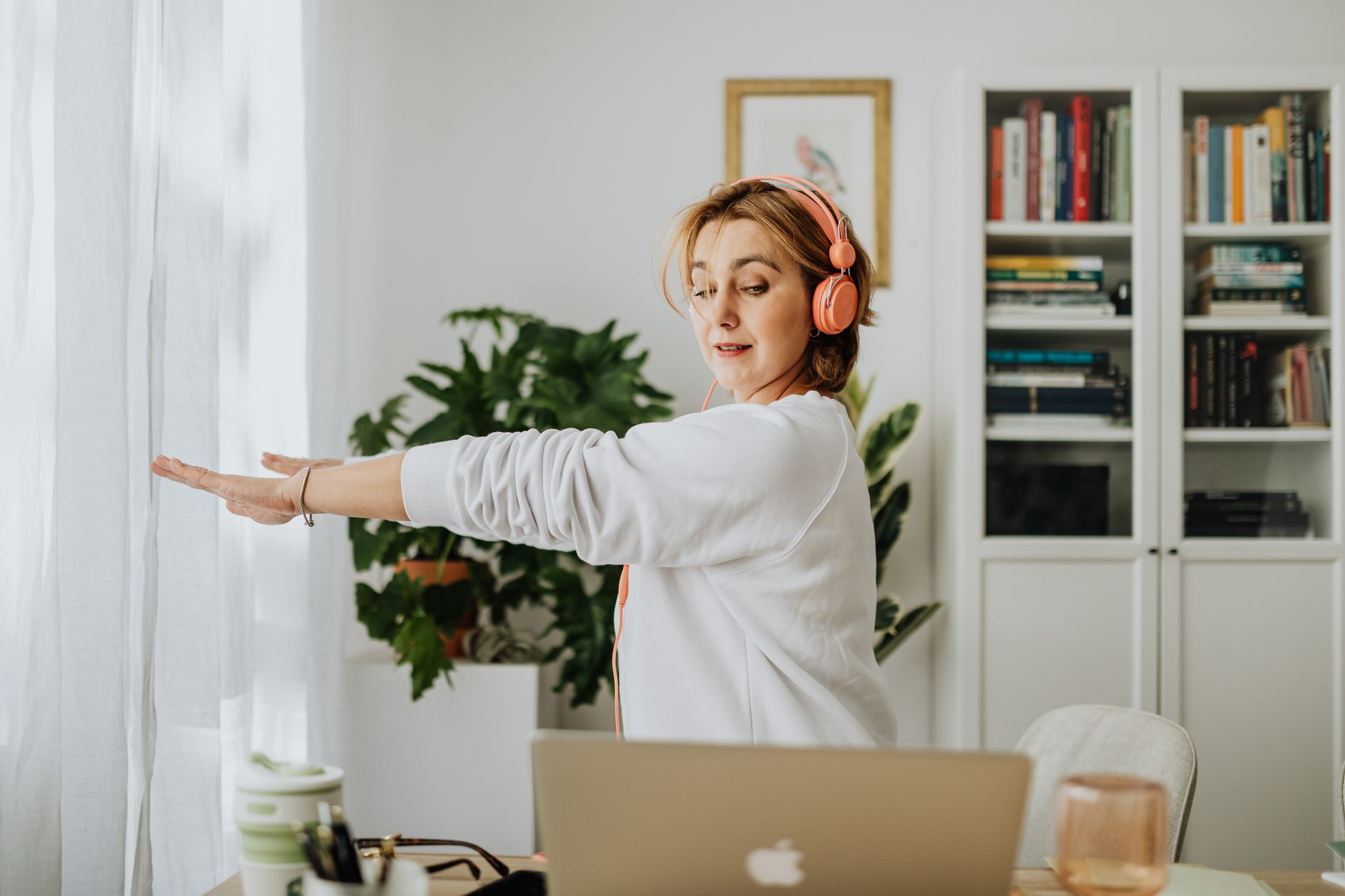
- Shoulder Opener: Extend both arms straight in front of you, palms facing down. Open your arms wide, squeezing shoulder blades together. Keep elbows straight and hold. This opens the chest and counteracts forward‑hunched posture.
- Upper Back Twist: Remain seated. Place your right hand on the back of the chair and your left hand on your right knee. Gently rotate your torso to the right, looking over your shoulder. Keep hips square. Switch sides after 30 seconds.
- Hamstring Stretch: Stand up, place one heel on a low surface such as a step or a sturdy book. Keep the leg straight, hinge at the hips, and reach toward your toes. Feel a stretch along the back of the thigh. Switch legs. \n
- Calf Raise and Stretch: While still standing, rise onto the balls of both feet, hold for a few seconds, then lower heels gently onto the floor. Next, place one foot a step behind you, press the heel down, and lean forward slightly. Switch feet.
Each movement targets a common area of tension: neck, shoulders, upper back, hamstrings, and calves. By addressing these zones, you reduce the risk of stiffness that builds from sitting or standing for long periods.
Tips for Making It a Habit
Consistency matters more than intensity. Here are three practical ways to embed the stretch into your day:
- Anchor to an existing cue: Pair the stretch with a routine you already do, such as after brushing your teeth in the morning or before logging off your computer at night.
- Set a reminder: Use a phone alarm or calendar notification labeled “5‑minute stretch.” A visual cue on your desk can also prompt you.
- Track progress: Mark each day on a simple habit tracker. Seeing a streak grow reinforces the behavior.
When you miss a day, don’t reset the streak. Just resume the next time you can. The goal is long‑term consistency, not perfection.
Adapting the Stretch for Different Settings
If you work in a cramped office, you can modify the routine without leaving your chair. Replace the standing hamstring stretch with a seated version: extend one leg straight, heel on the floor, and lean forward gently. For a quick version during a meeting, perform only the neck release and shoulder opener while seated.
Travelers can also benefit. In an airport lounge, stand up for the calf raise and hamstring stretch using the seat edge. The routine requires no equipment, making it portable.
Remember to listen to your body. If a position feels painful, reduce the range of motion or skip that step. The purpose is to increase comfort, not cause strain.
Conclusion
A five‑minute stretch is a realistic, low‑effort way to keep your body flexible and your mind alert. By focusing on neck, shoulders, back, hamstrings, and calves, you address the most common areas of tension. Pair the routine with a daily cue, set a reminder, and track your streak to turn it into a lasting habit. Over weeks, you will notice less stiffness, smoother movement, and a subtle boost in energy—proof that small, consistent actions can make a big difference.
Related reading
 Simple Stretching Routines for Desk‑Bound Workers
 Gentle Stretches to Relieve Stiff Hips and Lower Back
AI disclosure: this article was automatically drafted with AI assistance and reviewed before publishing. Written with AI assistance: openai/gpt-oss-120b. It is general information, not professional medical, financial or legal advice.


0 comments:
Post a Comment