
When the day ends, many people reach for a phone, tablet, or TV. The blue light from screens can delay sleep, and constant notifications keep the mind active. Creating a screen‑free wind‑down routine helps the body relax and prepares the brain for rest. Below are practical steps you can try tonight.
Set a Clear Cut‑Off Time
Choose a specific hour to stop using electronic devices. Aim for at least one hour before bedtime. Write the time on a sticky note or set a gentle alarm to remind you. When the alarm sounds, place your phone in another room or in a drawer. This simple boundary reduces exposure to stimulating content and gives you a clear signal that the day is ending.
Engage Your Senses with Light and Sound
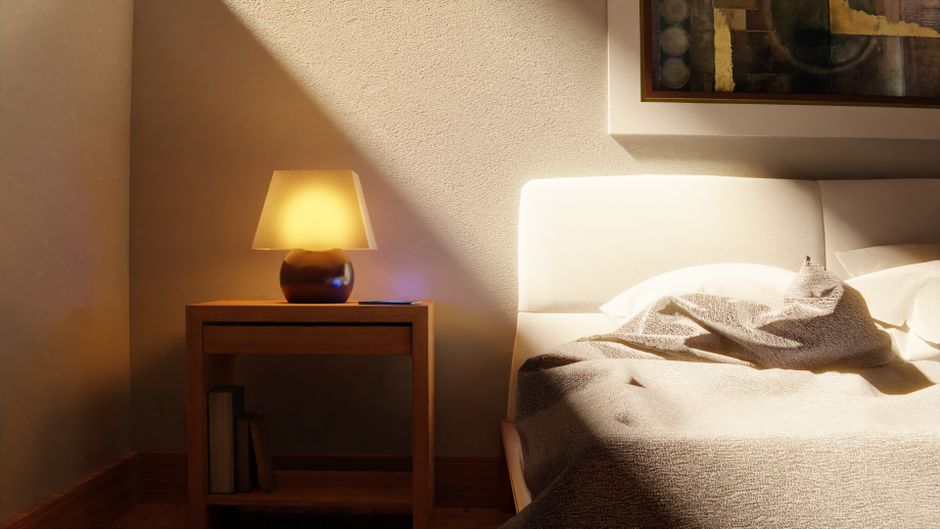
Dim the lights in your living space as you approach your cut‑off time. Use warm lamps, candles, or a low‑intensity floor lamp. Soft lighting signals the brain that it is time to wind down. At the same time, replace the buzz of notifications with calming sounds. Play gentle instrumental music, nature recordings, or a short guided meditation. Keep the volume low enough to stay in the background while you read or stretch.
Choose a Quiet, Screen‑Free Activity
Pick an activity that does not require a screen and that you enjoy. Reading a paperback, writing in a journal, knitting, or solving a puzzle are all good options. The key is to select something that holds your attention without causing excitement. If you enjoy learning, try a non‑digital hobby like drawing or practicing a musical instrument. These activities engage the hands and mind in a soothing way.
Practice Gentle Movement
Light stretching or yoga can release tension built up during the day. Focus on slow, deliberate movements and deep breathing. A short routine of five to ten minutes can lower heart rate and calm the nervous system. If you prefer a walk, choose a quiet neighborhood route or a garden path. The fresh air and natural sounds further support relaxation.
Prepare Your Sleep Environment
Make your bedroom a sanctuary for rest. Keep the room cool, around 65–68°F (18–20°C). Use breathable bedding and a comfortable pillow. Remove any electronic devices from the bedside table. If you need a light source, opt for a small nightlight with a warm hue. A tidy, clutter‑free space reduces visual distractions and helps the mind settle.
Use Aromas to Signal Rest
Scents can influence mood and sleep quality. Light a lavender sachet, diffuse chamomile oil, or place a few drops of eucalyptus on a cotton ball near your pillow. These aromas are known for their calming properties. Pair the scent with your other wind‑down steps to create a consistent cue that it is time to sleep.
Reflect and Set Intentions
Before you lie down, spend a few minutes reflecting on the day. Write down three things you accomplished and one thing you are grateful for. Then, set a simple intention for tomorrow, such as “I will start the day with a short stretch.” This practice helps clear lingering thoughts and reduces mental chatter that can keep you awake.
Stay Consistent
Consistency is the most important factor. Try to follow the same routine each night, even on weekends. Over time, your body will recognize the pattern and begin to relax automatically when you start the sequence. If you miss a night, simply restart the routine the next evening without guilt.
By removing screens and replacing them with calming, sensory‑rich activities, you give your brain a chance to transition smoothly from wakefulness to sleep. The result is a more restful night and a refreshed morning, ready for the day ahead.
Related reading
 Simple Everyday Habits for Better Sleep Without Supplements
 Simple Everyday Habits to Improve Your Sleep Naturally
AI disclosure: this article was automatically drafted with AI assistance and reviewed before publishing. Written with AI assistance: openai/gpt-oss-120b. It is general information, not professional medical, financial or legal advice.


0 comments:
Post a Comment