
Falling asleep quickly often depends on the habits you practice before bed. Your brain relies on cues to understand that the day is ending. A structured routine signals your body to prepare for rest. By following a sequence of calming activities, you can lower your heart rate and quiet your mind. Consistency remains the most important factor in this process.
Set a Fixed Schedule
The body operates on an internal clock known as the circadian rhythm. This system regulates your sleep-wake cycle based on light and time. Going to bed at the same time every night reinforces this internal clock. Aim to wake up at the same time each morning as well. This practice helps your body predict when it should feel tired. Avoid shifting your schedule by more than an hour on weekends. A stable routine makes falling asleep feel more natural over time.
Create a Low-Light Environment
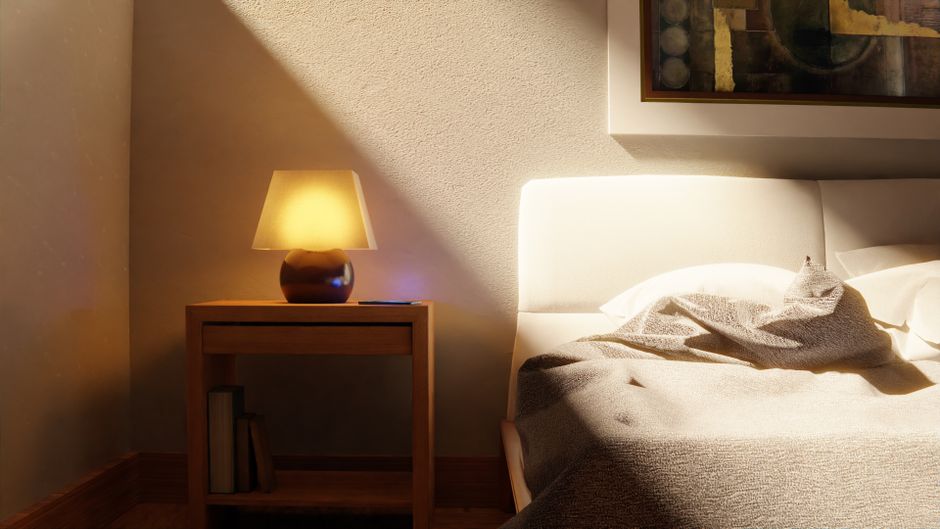
Light exposure significantly impacts your ability to produce melatonin. This hormone helps you feel sleepy as the evening progresses. Bright lights, especially blue light from screens, can trick your brain into staying alert. Dim the lights in your home at least one hour before you plan to sleep. Turn off your television, computer, and smartphone well before you climb into bed. If you must use a device, use a filter to reduce blue light emissions. Consider using warm-toned lamps instead of harsh overhead lighting. A darker room encourages your brain to shift into a resting state.
Engage in Calming Activities
Transitioning from a busy day to a quiet night requires a buffer zone. Avoid stressful tasks or intense conversations right before bed. Instead, choose activities that promote relaxation and mental stillness. Reading a physical book is an excellent way to focus your mind on something gentle. You might also try light stretching or gentle yoga to release physical tension. Some people find that listening to soft music or nature sounds helps them drift off. Keep your activities low-energy and predictable. If you find your mind racing, try writing down your to-do list for the next day. This clears your thoughts and prevents you from worrying about tomorrow while in bed.
Optimize Your Sleeping Space
Your bedroom environment plays a major role in how fast you fall asleep. Keep your room cool, as a lower temperature often supports better rest. Most people sleep best in a room between 60 and 67 degrees Fahrenheit. Ensure your mattress and pillows provide the support you need for comfort. Remove clutter from your nightstand to create a sense of order. Use heavy curtains or an eye mask to block out street lights or early morning sun. If noise is an issue, a white noise machine can mask disruptive sounds. Treat your bed as a place reserved only for sleep. This mental association helps your brain recognize the bed as a signal to shut down.
Manage Your Evening Intake
What you consume in the evening affects your sleep quality. Caffeine acts as a stimulant that can stay in your system for many hours. Avoid coffee, tea, and soda after the early afternoon. Large meals late at night can also cause discomfort and keep you awake. If you feel hungry before bed, choose a small, light snack instead. Alcohol might make you feel drowsy initially, but it often disrupts your sleep cycles later in the night. Stick to water or herbal tea if you need a drink before bed. Monitoring your intake helps you avoid physical discomfort that prevents quick sleep.
Stay Patient with the Process
Building a new routine takes time and repetition. You may not see immediate results on the first night. Stick to your chosen habits for at least two weeks to allow your body to adjust. If you lie in bed for more than twenty minutes without falling asleep, get up. Move to another room and perform a quiet activity until you feel tired again. Avoid checking the clock, as this often increases anxiety about not sleeping. Return to bed only when you feel ready to drift off. Over time, these small changes will help you build a reliable path to faster sleep.
Related reading
 Simple Everyday Habits for Better Sleep Without Supplements
- Simple Everyday Habits to Improve Your Sleep Naturally
AI disclosure: this article was automatically drafted with AI assistance and reviewed before publishing. Written with AI assistance: gemini-3.1-flash-lite. It is general information, not professional medical, financial or legal advice.


0 comments:
Post a Comment