
Hydration remains a central pillar of human health. Many people hear the advice to drink eight glasses of water every day. This simple rule is easy to remember, but it lacks scientific nuance. Your actual water needs depend on several shifting factors. These include your activity level, your local climate, and your overall body composition.
The Role of Fluids in Your Body
Water makes up a large percentage of your total body weight. It supports vital functions in every organ. It helps regulate your internal temperature through sweat. It also lubricates your joints and protects sensitive tissues. Water carries nutrients and oxygen to your cells. It also helps your kidneys remove waste products from your blood. When you do not drink enough, your body struggles to perform these tasks efficiently.
You lose water constantly throughout the day. You lose fluid through breathing, sweating, and digestion. You must replace these lost fluids to maintain a healthy balance. Most healthy people can stay hydrated by listening to their bodies. Thirst is a reliable signal that your body needs more fluid. If you feel thirsty, you should drink water. This mechanism works well for most adults in normal conditions.
Factors That Influence Your Needs
Your environment changes how much water you require. Hot or humid weather increases your sweat rate. You lose more fluid when the temperature rises. High altitudes can also increase your water needs. You may breathe faster and urinate more frequently in thin air. These factors mean you should drink more water when you travel to warm or elevated locations.
Physical activity is another major factor. When you exercise, your muscles generate heat. Your body releases this heat by sweating. You must replace the water lost during intense movement. Athletes often need more fluid than sedentary individuals. If you plan a long workout, drink water before, during, and after the session. Monitoring your urine color can provide a simple check. Pale yellow usually indicates good hydration. Darker colors suggest you need to drink more fluids.
Your health status also plays a role. Certain medical conditions change how your body processes fluids. Fever, vomiting, or diarrhea can lead to rapid fluid loss. These situations require extra attention to hydration. Always consult a professional if you have concerns about your specific health needs. They can provide guidance based on your medical history.
Sources of Daily Hydration
You do not get water only from a glass. Many foods contain high amounts of water. Fruits like watermelon, strawberries, and oranges are excellent sources. Vegetables such as cucumbers, lettuce, and zucchini also contribute to your total intake. These foods provide water along with essential vitamins and minerals. Including these in your diet helps you stay hydrated throughout the day.
Other beverages also count toward your total. Coffee and tea contribute to your fluid intake. While caffeine has a mild diuretic effect, it does not negate the water content of the drink. Milk and juice also provide significant amounts of fluid. However, water remains the best choice for hydration. It is calorie-free, inexpensive, and widely available. Sugary drinks can add unwanted calories to your diet. Stick to water as your primary source of hydration.
Developing Healthy Habits
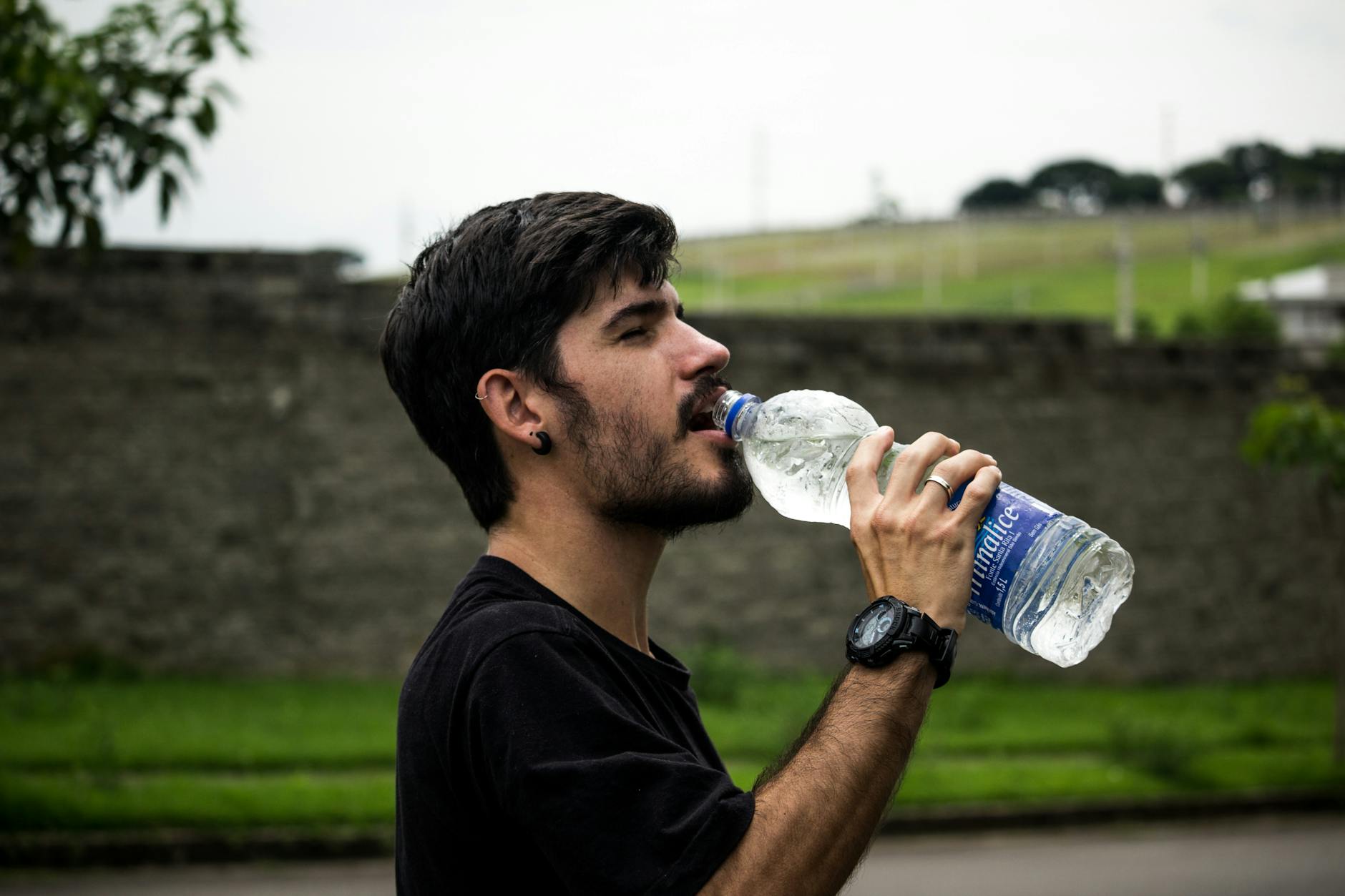
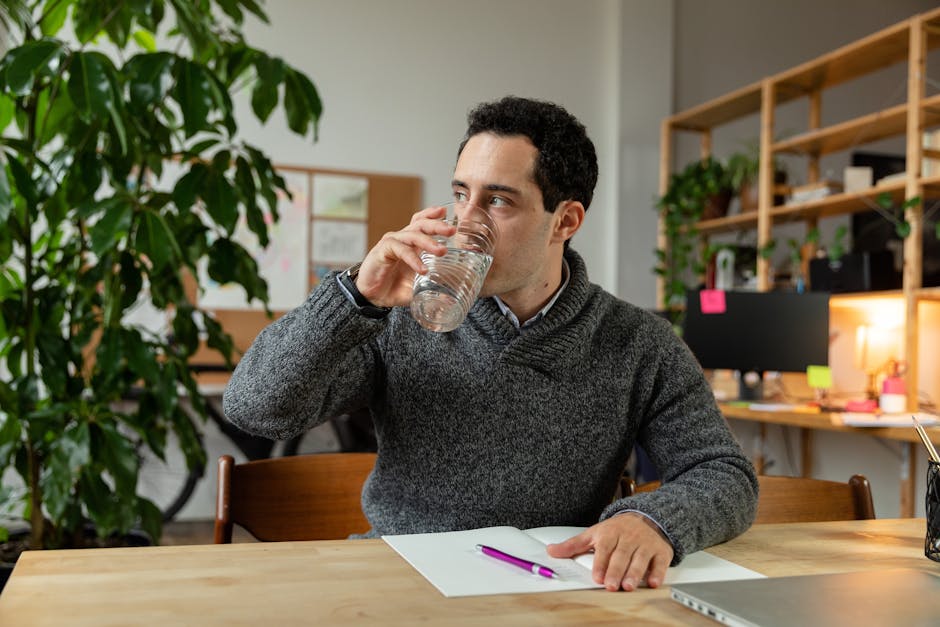
Building a habit makes hydration easier. Keep a reusable water bottle with you during the day. This serves as a visual reminder to drink. Sip water during your commute or while you work at your desk. Make it a point to drink a glass of water with every meal. These small steps add up over time.
Do not wait until you feel thirsty to drink. By the time thirst hits, you may already be slightly dehydrated. Keep a steady intake throughout the day instead of drinking large amounts at once. This approach helps your body maintain a consistent fluid balance. It also prevents the discomfort of drinking too much fluid in a short period.
Listen to your body's signals. If you feel tired or have a headache, you might simply need more water. Pay attention to how you feel after drinking. You will likely notice better energy levels and improved focus. Hydration is a simple tool for better daily performance. Focus on consistent, moderate intake rather than strict numbers. Your body knows how to manage its needs if you provide it with enough resources. Stay mindful of your environment and your activity levels. Adjust your intake as your circumstances change. This flexible approach is the most effective way to stay hydrated.
Related reading
 Simple Strategies to Increase Your Daily Water Intake
 Staying Hydrated: Practical Tips for Busy Days
AI disclosure: this article was automatically drafted with AI assistance and reviewed before publishing. Written with AI assistance: gemini-3.1-flash-lite. It is general information, not professional medical, financial or legal advice.


0 comments:
Post a Comment