
Spending eight or more hours at a desk can strain the lower back. The combination of sitting, typing, and staring at a screen creates pressure on the spine and surrounding muscles. Over time, this pressure can lead to stiffness, soreness, and reduced productivity. The good news is that simple adjustments and regular habits can significantly reduce discomfort and protect your back.
Set Up an Ergonomic Workspace
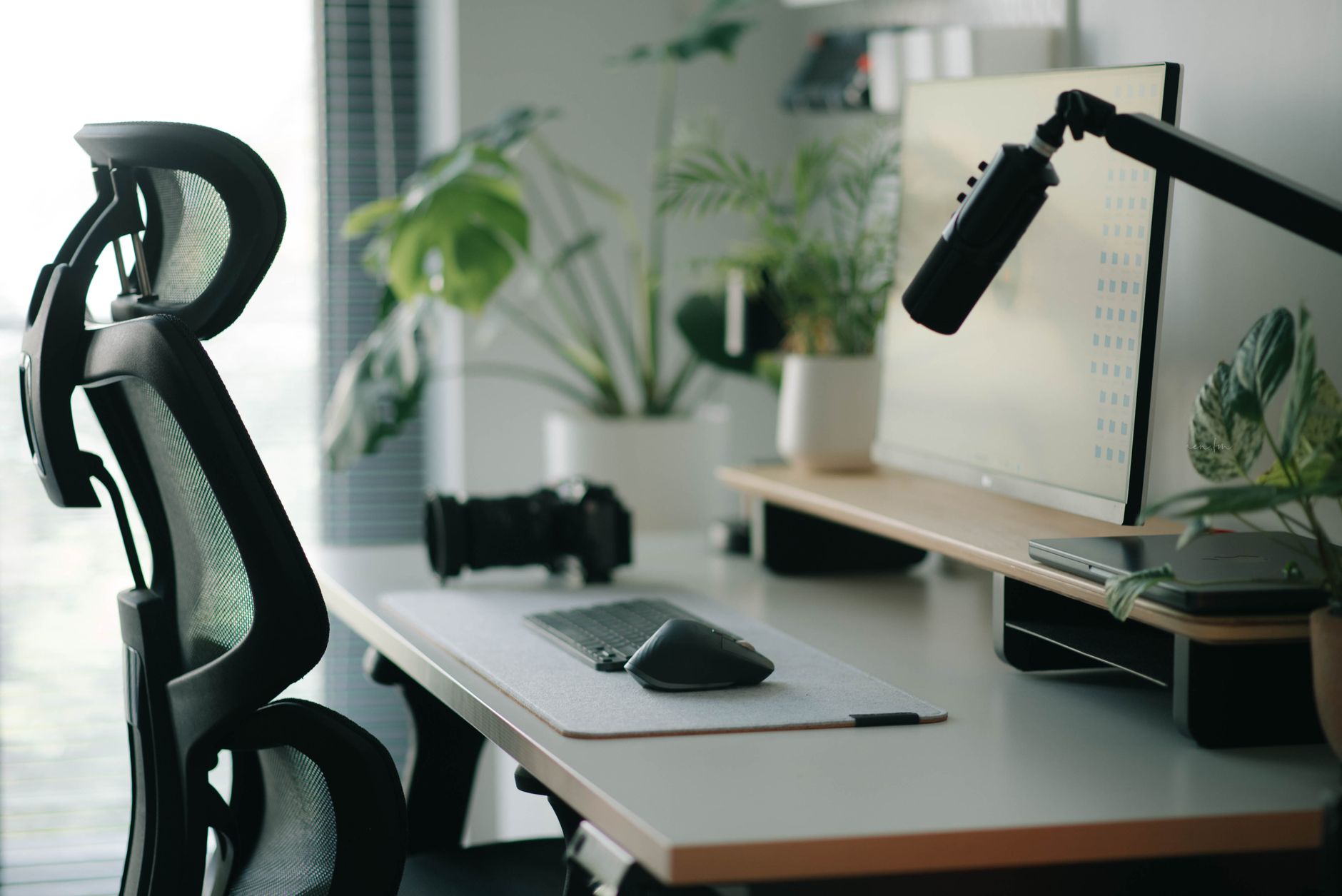
Start by arranging your desk so that your body maintains a neutral posture. Place your monitor at eye level, about an arm’s length away. Your elbows should rest at a 90-degree angle when typing, and your wrists should stay straight. Use a chair that supports the natural curve of your lower back. If your chair lacks lumbar support, add a small cushion or rolled towel.
Keep your feet flat on the floor or on a footrest. Avoid crossing your legs, as this can twist the spine. Adjust the height of your chair so that your knees are slightly lower than your hips. This position reduces pressure on the lumbar region.
Incorporate Movement Breaks
Even short, frequent breaks can prevent muscles from tightening. Set a timer to stand up every 30 minutes. Walk to the water cooler, stretch your arms, or do a quick hallway stroll. These micro‑movements improve circulation and give the spine a chance to reset.
Try the 20‑20‑20 rule for eye strain, and add a back‑friendly twist: after looking at a screen for 20 minutes, look at something 20 feet away for 20 seconds, then stand and stretch for a minute. Simple neck rolls, shoulder shrugs, and seated cat‑cow stretches can release tension without leaving your workstation.
Strengthen Core Muscles
A strong core supports the lower back and reduces the load on spinal discs. Incorporate brief core exercises into your daily routine. Planks, bird‑dogs, and seated leg lifts can be done in a few minutes. Aim for two to three sets of each exercise, holding planks for 20‑30 seconds and performing 10‑12 repetitions of the other moves.
Consistency matters more than intensity. Even a five‑minute core routine each morning can make a noticeable difference after a few weeks. Pair these exercises with regular walking or light cardio to keep overall fitness up.
Adopt Healthy Sitting Habits
Avoid slouching or leaning forward for long periods. Keep your shoulders relaxed and your spine aligned. If you tend to hunch, place a small pillow behind your lower back to remind you to sit upright.
Use a standing desk or a desk converter if possible. Alternate between sitting and standing throughout the day. Start with 15 minutes of standing and gradually increase the time as your body adapts. Remember to keep the monitor at the same height when you stand.
Mind Your Lifestyle Outside Work
What you do after work influences how you feel at your desk. Aim for regular physical activity, such as walking, swimming, or yoga. These activities keep muscles flexible and improve posture.
Maintain a healthy weight to reduce stress on the spine. Hydration also plays a role; well‑hydrated discs are more resilient. Finally, get enough sleep on a supportive mattress. A good night’s rest allows the spine to recover from daily strain.
By combining ergonomic adjustments, frequent movement, core strengthening, and healthy habits, you can manage back soreness and stay productive. Small changes add up, turning a painful desk job into a more comfortable, sustainable experience.
Related reading
 Practical Ways to Sit Less While Working at a Desk
 A Practical Guide to Setting Up Your Desk for Comfort
AI disclosure: this article was automatically drafted with AI assistance and reviewed before publishing. Written with AI assistance: openai/gpt-oss-120b. It is general information, not professional medical, financial or legal advice.


0 comments:
Post a Comment