
When your schedule is packed, water often falls to the bottom of the priority list. Yet staying hydrated supports focus, energy, and overall comfort. The good news is that you can keep your fluid intake steady without adding extra stress. Below are simple, actionable steps you can weave into a hectic routine.
Plan Your Hydration Like a Meeting
Treat drinking water as a non‑negotiable appointment. Set a recurring reminder on your phone or computer for every two hours. When the alert sounds, pause for a quick sip. Over a typical eight‑hour workday, this habit adds up to 4–5 glasses of water without feeling forced.
If you prefer a visual cue, place a reusable bottle on your desk where you can see it. The bottle’s presence reminds you to refill it regularly. Choose a size that matches your goal—most adults benefit from 1.5 to 2 liters per day, so a 500 ml bottle three times a day works well.
Make Water Accessible Everywhere
Carry a portable bottle wherever you go. A lightweight, leak‑proof design fits in a bag, a car cup holder, or a gym locker. When you travel between meetings, the bottle travels with you, eliminating the need to search for a dispenser.
At home, keep a pitcher of chilled water on the kitchen counter. A visible pitcher encourages you to drink while you wait for coffee, read the news, or prepare meals. If you like flavor, add a slice of lemon, cucumber, or a few berries. The natural taste boost can make sipping more enjoyable without adding sugar.
Pair Drinking with Routine Tasks
Link hydration to activities you already do. For example, take a sip after each email you send, after every phone call, or before you stand up from your desk. These micro‑habits turn water intake into a seamless part of your workflow.
Another effective pairing is to drink while you wait for technology. When a file downloads, a video buffers, or a coffee brews, use that idle time to finish a glass. Over the course of a day, these short intervals accumulate into a substantial amount of fluid.
Choose Hydrating Foods
Include water‑rich foods in your meals and snacks. Fruits like watermelon, oranges, and grapes contain up to 90 % water. Vegetables such as cucumber, lettuce, and celery are also high in moisture. A salad with these ingredients adds hydration while providing vitamins and fiber.
Snack on yogurt, cottage cheese, or a handful of nuts with dried fruit. While the nuts are low in water, the dairy component contributes fluid, and the combination keeps you satisfied longer, reducing the urge to skip water for a quick snack.
Adjust for Activity and Environment
If you move between indoor and outdoor settings, remember that temperature and humidity affect fluid loss. On a hot day, increase your intake by an extra 250–500 ml. When you exercise, drink a small amount before you start, sip during the activity, and replenish afterward.
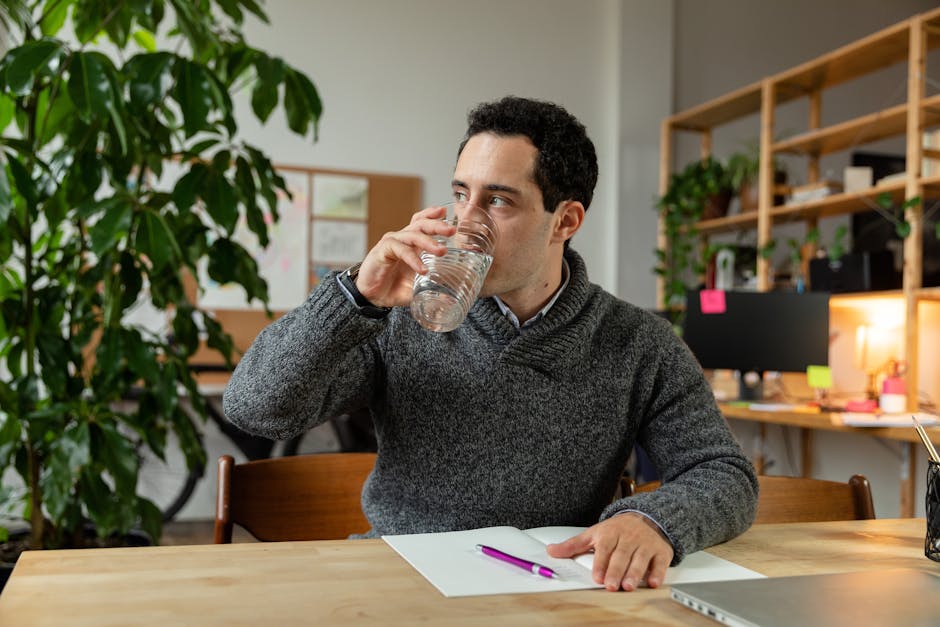
Even indoor air conditioning can dry your skin and respiratory passages. In such environments, a steady stream of water helps maintain moisture balance. Keep a glass of water at your workstation to sip continuously.
Track Progress Without Obsession
Use a simple log to note each glass you finish. A paper checklist, a notes app, or a hydration‑tracking app can provide quick feedback. Seeing your progress motivates you to stay on track, especially on days when you feel rushed.
Don’t aim for perfection; aim for consistency. If you miss a few glasses, simply resume your routine. The goal is to build a habit that supports your busy lifestyle, not to create additional pressure.
By planning, making water accessible, pairing drinking with existing tasks, choosing hydrating foods, adjusting for conditions, and tracking lightly, you can maintain adequate hydration even on the busiest days. These practical steps require minimal effort but deliver noticeable benefits for focus, mood, and overall comfort.
Related reading
 Staying Hydrated: Practical Tips for Busy Days
 Practical Ways to Sit Less While Working at a Desk
AI disclosure: this article was automatically drafted with AI assistance and reviewed before publishing. Written with AI assistance: openai/gpt-oss-120b. It is general information, not professional medical, financial or legal advice.


0 comments:
Post a Comment