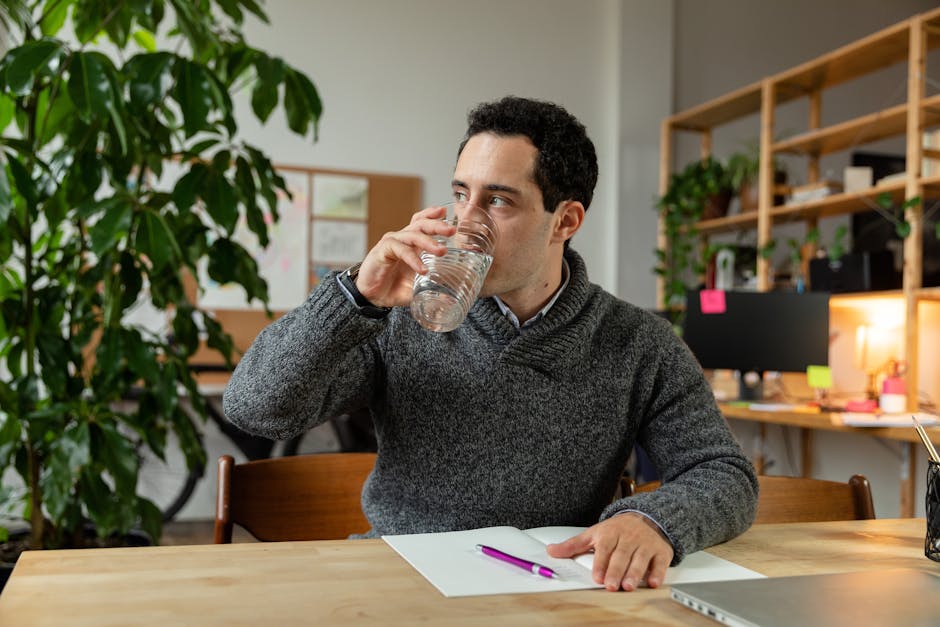
Why Hydration Matters on a Tight Schedule
When you rush from meeting to deadline, water often falls to the bottom of the priority list. Yet your body needs fluid to keep every system running smoothly. Even mild dehydration can sap energy, blur focus, and increase cravings for sugary drinks. By planning small, consistent actions, you can protect performance without adding extra tasks.
Set Up a Hydration System That Works
Start with a container you enjoy. A reusable bottle that fits your bag or a cup with a straw can make sipping feel effortless. Fill it at the beginning of the day and keep it within arm’s reach. When the bottle is visible, you are more likely to drink.
Choose a size that matches your routine. For a typical eight‑hour workday, a 500‑ml bottle refilled twice covers most needs. If you prefer smaller sips, a 250‑ml tumbler works well. The key is to have a clear refill schedule, such as after each meeting or before lunch.
Integrate Water Breaks Into Existing Habits
Pair drinking with actions you already perform. Take a sip after answering an email, before standing up for a call, or while waiting for a document to load. These micro‑moments add up without feeling forced.
Use technology wisely. Set a gentle reminder on your phone or computer for every 60‑90 minutes. Choose a tone that nudges rather than annoys. Over time, the reminder becomes a cue that triggers the habit.
Make Water More Appealing
Plain water can feel bland after a while. Add a slice of lemon, cucumber, or a few berries for subtle flavor. Herbs like mint or basil also create a refreshing twist without extra calories.
Cold water often feels more satisfying during a hectic day. Keep a small ice pack in your bag or store a bottle in the fridge overnight. If you travel, a insulated bottle maintains temperature for hours.
Plan for the Unexpected
Meetings can run long, and travel can disrupt routines. Carry a backup bottle in your bag or keep a spare at your desk. When you know you’ll be away from your primary source, a portable option prevents gaps.
If you forget to bring a bottle, use the water fountain or ask a colleague for a cup. A quick refill is better than skipping hydration entirely.
Track Progress Without Obsession
Simple tracking can reinforce the habit. Mark each bottle on a sticky note or use a habit‑tracking app that logs daily intake. Aim for consistency rather than perfection.
Review your log at the end of the week. Notice patterns—perhaps you drink more after lunch or less on days with back‑to‑back calls. Adjust your system to fill those gaps.
Stay Flexible and Adjust
Everyone’s fluid needs differ based on body size, activity level, and climate. Listen to thirst cues and adapt your plan when you feel unusually dry or when the weather changes.
Remember that hydration is a supportive tool, not a rigid rule. Small, sustainable actions protect energy, sharpen focus, and keep you feeling refreshed throughout a busy day.
Related reading
 Hydration: Why Drinking Water is Crucial for Your Health
 A Practical Guide to Building a Sustainable Morning Routine
AI disclosure: this article was researched and written with AI assistance and reviewed before publishing. It is general information, not professional medical, financial or legal advice.


0 comments:
Post a Comment