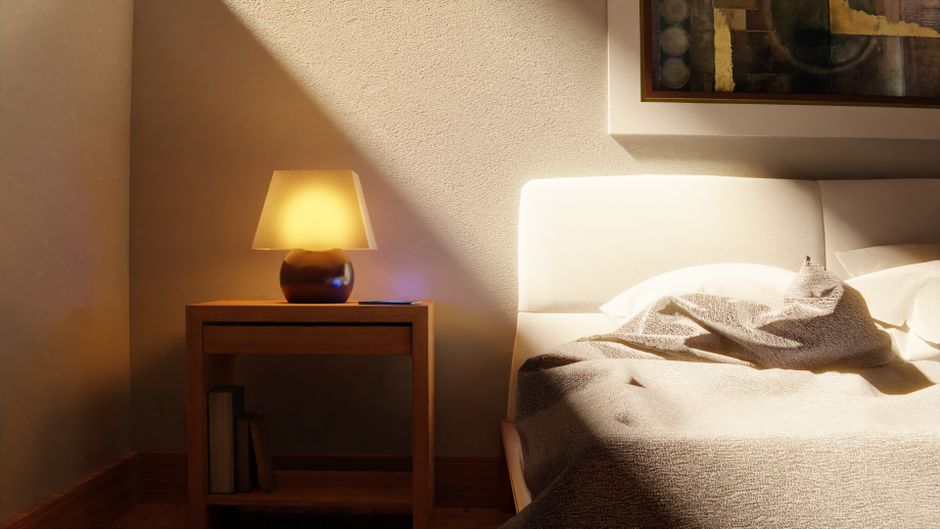
Getting quality sleep is essential for health, mood, and productivity. While many turn to pills, simple lifestyle tweaks can improve rest without chemicals. Below are practical steps you can add to your daily routine.
Set a Consistent Sleep Schedule
Going to bed and waking up at the same time each day trains your internal clock. Aim for a 7‑9 hour window that fits your lifestyle. Even on weekends, keep the shift within an hour of your weekday times. This regularity helps your body anticipate sleep, making it easier to fall asleep and stay asleep.
When you first adjust, you may feel groggy in the morning. Resist the urge to hit snooze; get up promptly. Light exposure in the first hour after waking reinforces the schedule. Open curtains, step outside, or use a bright lamp. Consistency outweighs occasional late nights.
Create a Calm Pre‑Sleep Routine
Signals that bedtime is near help your brain wind down. Choose calming activities that you can repeat nightly. Reading a physical book, gentle stretching, or a warm shower are effective options. Avoid screens at least 30 minutes before bed; the blue light suppresses melatonin, the hormone that promotes sleep.
Limit stimulating content such as intense news or thrilling shows. Instead, opt for soothing music, a short meditation, or a gratitude journal. Write down worries to clear your mind, then close the notebook and focus on relaxation.
Temperature also matters. Keep the bedroom cool, around 60‑67°F (15‑19°C). A cooler environment encourages the body’s natural drop in core temperature, a cue for sleep.
Optimize Your Sleep Environment
Make the bedroom a sanctuary for rest. Use comfortable bedding that supports your preferred sleeping position. Replace pillows every 1‑2 years to maintain proper neck alignment.
Darkness signals the brain to produce melatonin. Block external light with blackout curtains or a sleep mask. If streetlights seep in, consider a low‑watt nightlight instead of bright bulbs.
Noise can disrupt deep sleep stages. White‑noise machines, fans, or soft music can mask sudden sounds. If you share a room, discuss quiet hours and use earplugs if needed.
Finally, reserve the bed for sleep and intimacy only. Working, eating, or watching TV in bed creates mental associations that hinder relaxation. Keep the bedroom clutter‑free to reduce visual stress.
Mind Your Daily Habits
What you do during the day influences nighttime rest. Regular physical activity improves sleep quality, but schedule vigorous exercise at least three hours before bed. Evening yoga or a short walk can be beneficial without raising heart rate too much.
Watch your caffeine intake. Most people feel its effects for up to six hours. Limit coffee, tea, and energy drinks after early afternoon. If you need a pick‑me‑up, choose herbal tea without caffeine.
Alcohol may help you fall asleep, but it fragments later sleep cycles. Reduce consumption, especially close to bedtime. Hydration matters too; drink enough water during the day, but taper off an hour before sleep to avoid nighttime bathroom trips.
Lastly, manage stress throughout the day. Short breaks, deep‑breathing exercises, or brief mindfulness sessions can lower cortisol levels, making it easier to unwind at night.
By combining a steady schedule, a soothing pre‑sleep routine, a sleep‑friendly bedroom, and mindful daily habits, you can enjoy deeper, more restorative sleep without relying on supplements. Consistency is key; give each change a week to notice its impact, then adjust as needed. Over time, these simple practices become second nature, leading to better rest and brighter days.
Related reading
 Simple Daily Habits to Keep Your Heart Strong and Healthy
 Simple Daily Habits to Strengthen Your Heart Health
AI disclosure: this article was researched and written with AI assistance and reviewed before publishing. It is general information, not professional medical, financial or legal advice.


0 comments:
Post a Comment